

The American aircraft reportedly shot down over Iran is believed to be an F-15E Strike Eagle, known in the Israeli Air Force as the “Ra’am” (Thunder). It is a multirole fighter that first saw combat during the Gulf War and has since operated in every major U.S. conflict zone.
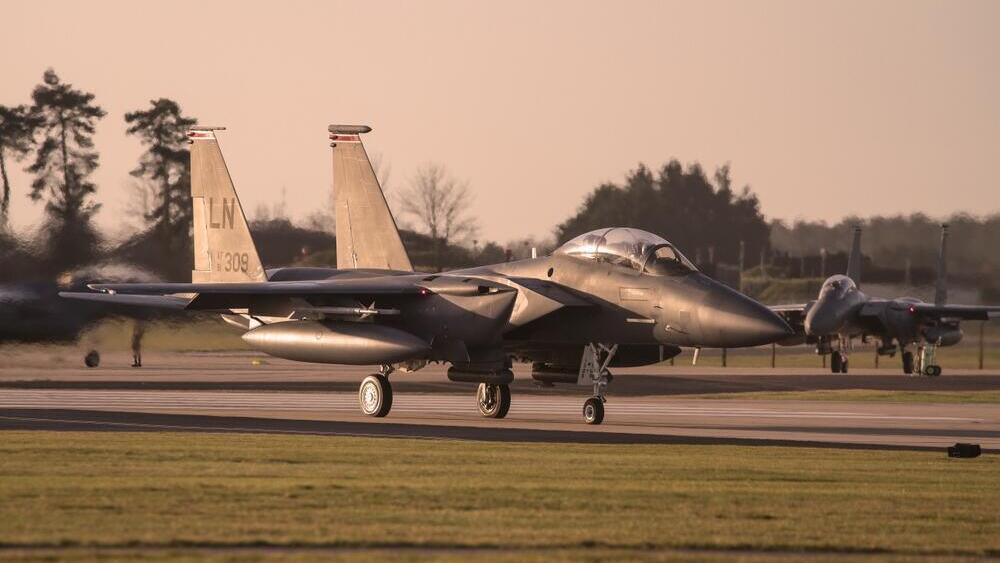
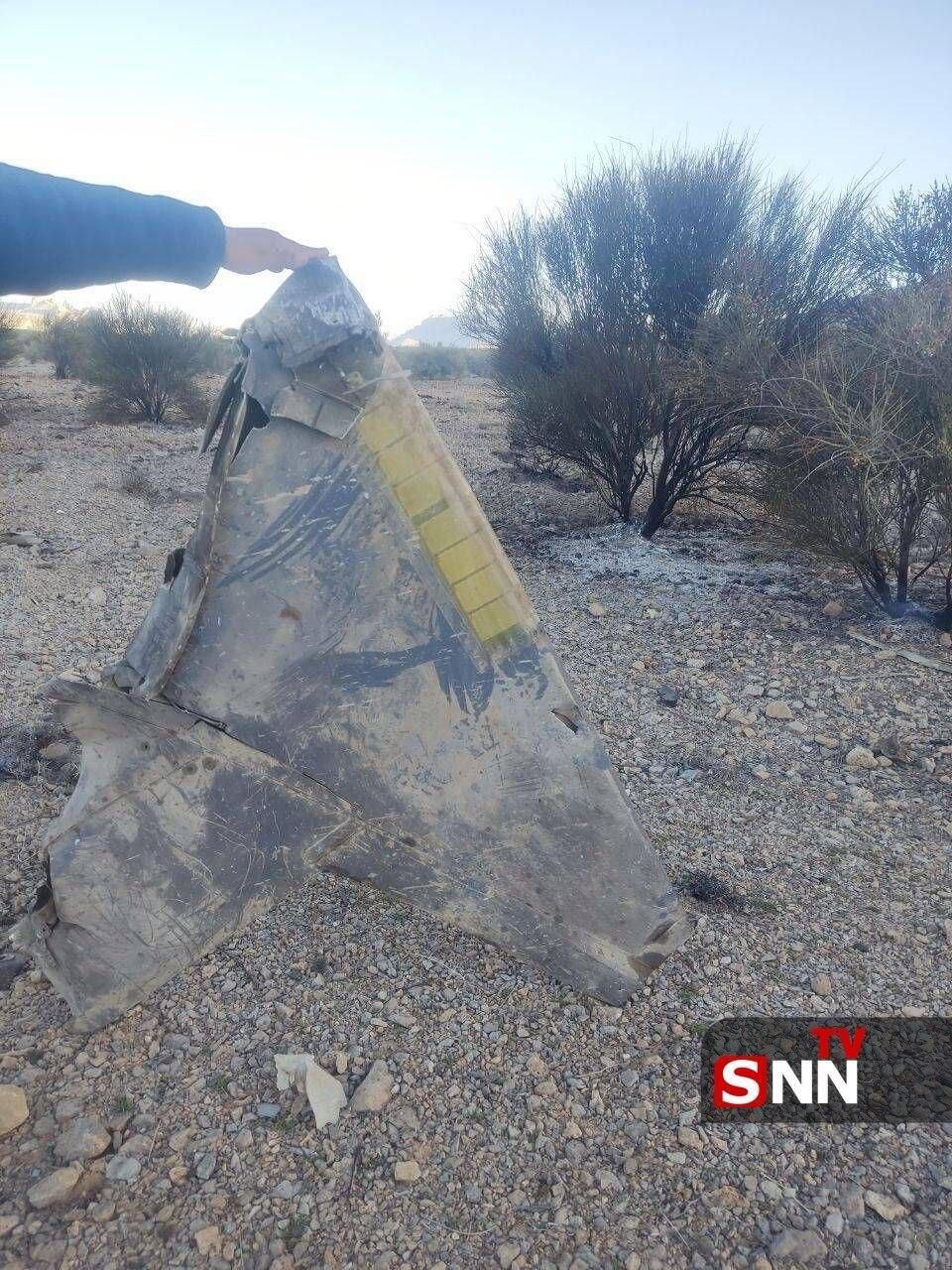
Iran has claimed the downed aircraft was an F-35. However, images published of the wreckage, including an ejection seat, suggest it was an F-15E belonging to the U.S. Air Force’s 494th Fighter Squadron. The squadron is based at RAF Lakenheath in the United Kingdom and is primarily tasked with operations in the European theater alongside NATO forces.
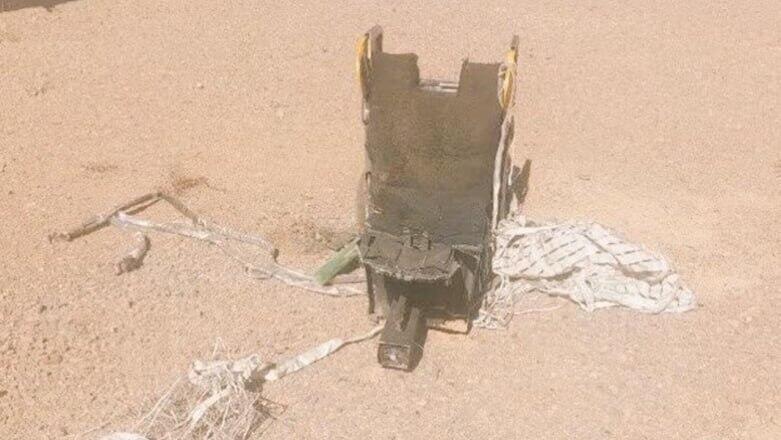
Iran’s Fars News Agency reported that “remains of the downed F-35 include markings indicating it was based at Lakenheath,” though this has not been independently verified.
The F-15E is considered an advanced variant of the original F-15 and entered operational service with the U.S. Air Force in late 1988. Unlike earlier versions designed primarily for air superiority missions, the F-15E is a multirole combat aircraft capable of striking ground targets while carrying advanced precision-guided munitions and operating in all weather conditions.
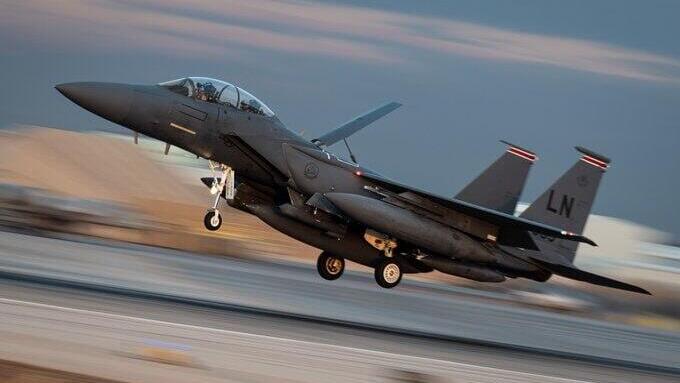
The US F-15E
(Photo: X)
(Photo: Shutterstock)
Unlike the original F-15, the E model is built exclusively as a two-seat aircraft, with a pilot and a weapons systems officer responsible for operating its more advanced systems. It can carry significantly more fuel due to conformal fuel tanks and a greater weapons load thanks to additional hardpoints under the fuselage.
In total, the aircraft can carry more than 20 tons of fuel and weapons, compared to about 13 tons in earlier variants.
The aircraft reportedly downed by Iran is equipped with more powerful engines (Pratt & Whitney F100-229), allowing it to maintain a top speed of Mach 2.5, about 2,655 kilometers per hour, despite the added weight of its advanced systems.
One of its key capabilities is low-altitude automatic flight, enabled by a navigation pod (AN/AAQ-13) equipped with terrain-following radar that allows the aircraft to maintain a constant altitude above the ground.
The F-15E saw its first combat use during Operation Desert Storm and has since participated in every major U.S. military theater. It is considered a backbone platform due to its multirole capabilities.
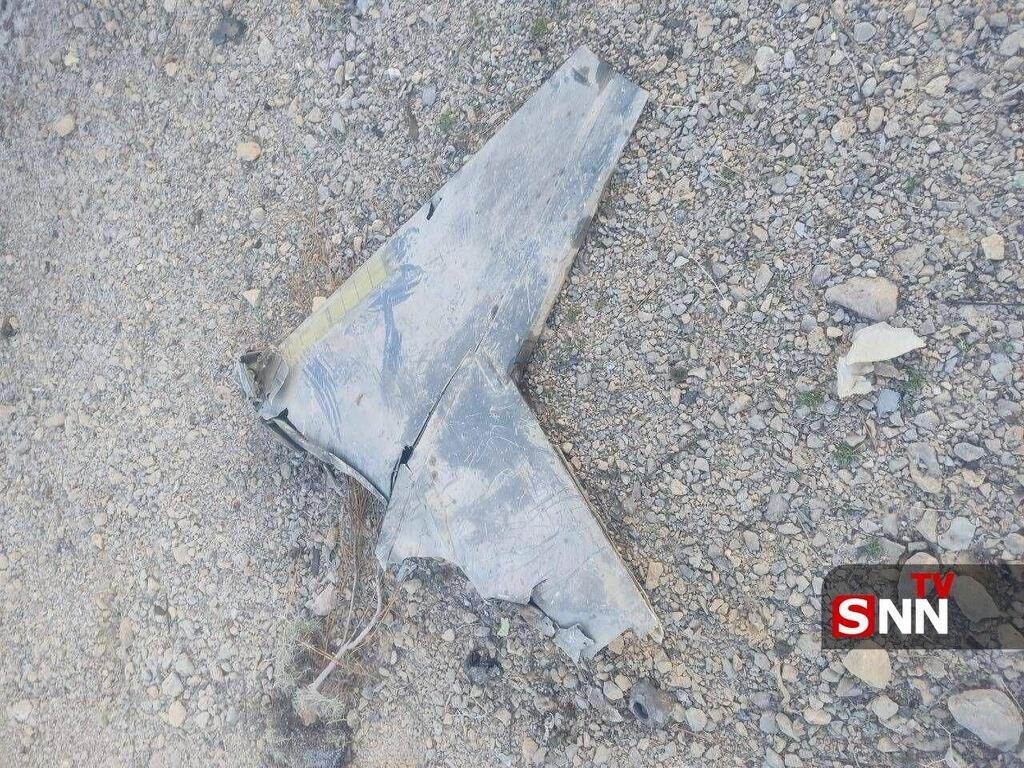
Parts of the downed aircraft
In addition to the United States, the aircraft is used by the air forces of Saudi Arabia, South Korea, Singapore and Israel, where it is designated the F-15I “Ra’am” and includes locally developed systems.
In the Israeli Air Force, the Ra’am is considered one of the key strategic strike platforms. Since entering service in the late 1990s, it has taken part in major operations, including the strike on Syria’s nuclear reactor and the assassination of Hezbollah leader Hassan Nasrallah, as well as numerous operations attributed to Israel across the Middle East.
Despite more than five decades of service across all F-15 variants, the aircraft is considered one of the few fighter jets rarely shot down by enemy aircraft. Until the current conflict, only three F-15s had been lost to enemy fire, all to Iraqi air defenses, two during the first Gulf War and one in the second.
The current reported downing would mark the fourth such incident involving enemy fire against an F-15 platform. Additional losses of F-15E aircraft have occurred due to friendly fire incidents, including three aircraft mistakenly shot down by Kuwaiti F/A-18s.
One of the most striking examples of the platform’s survivability occurred in the Israeli Air Force. During a training exercise, an F-15D collided midair with an A-4 Skyhawk. The Skyhawk pilot ejected, but the F-15 crew, pilot Ziv Nadivi and navigator Yehor Gal, managed to land the aircraft safely, despite losing an entire wing. They only discovered the extent of the damage after landing.