


A fatal crash overnight Sunday on Highway 6 that killed 20-year-old Alia Ali Manad of Lod and injured his fiancé has renewed concern over illegal street racing, a phenomenon that continues to take place mainly at night on highways and intercity roads across Israel.
Videos obtained by ynet show cars racing on several major roads, including Highway 4, the Krayot bypass and roads in the Negev Desert. Drivers often organize in advance through social media groups and messaging apps, meet at predetermined locations and then drive at extreme speeds, sometimes turning the gatherings into competitive races.
Online groups fuel illegal car races across Israel’s major highways
(Video: Or Yarok)


Witnesses said the Highway 6 crash may also have occurred during a car race, though police were still investigating the circumstances. Highway 6 has long been associated with occasional nighttime racing because of its length, straight sections and relatively light traffic during late hours.
Police periodically carry out targeted enforcement operations, but reports of reckless driving and extreme-speed racing continue. The danger extends beyond those taking part, with uninvolved motorists also at risk of being caught in a crash.
“Speed kills,” said attorney Yaniv Yaakov, CEO of the Or Yarok road-safety organization. “The roads have become lawless, and drivers are behaving wildly and endangering all of us because they know the chances of being caught are low.”
He said illegal racing and reckless driving in modified cars were able to continue because of the limited police presence on major roads. “There is no substitute for a patrol car and a police officer as a deterrent,” he said.
Yaakov argued that a visible police presence on Highway 6 might have prevented the deadly crash. “This happened on a major highway. Had patrol cars been there, visible and present, perhaps the accident could have been prevented and this immense pain avoided,” he said.
He called for additional traffic police, patrol cars and electronic enforcement systems. “When a driver taking part in a street race understands that the chances of being caught are high, he will be much less likely to endanger himself and everyone else on the road.”
Summer brings heightened danger for children
The risks on Israel’s roads are not confined to nighttime racing. With schools closed for the summer, children and teenagers spend more time outside and face a greater risk of being seriously injured in traffic accidents.
National Road Safety Authority data show that during the summer vacation over the past three years, children’s risk of serious injury in road accidents was about 13% higher than during the regular school year.
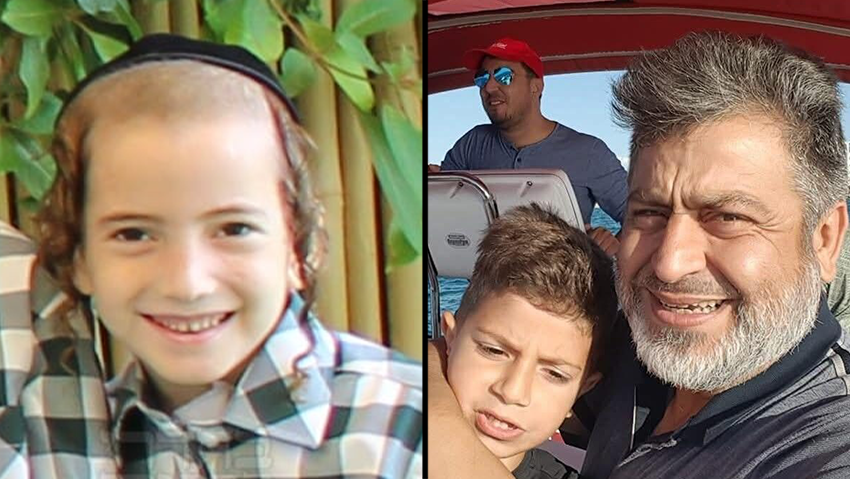
Four people were killed in road accidents over the past week, including two children under the age of 14. Seven-year-old Moshe Kalinsky was killed after being struck by a bus in Modi’in Illit, while 13-year-old Abed Said Watar died after being hit by a vehicle while riding a bicycle in Baqa al-Gharbiya.
According to the authority, 12 children and teenagers up to age 19 were killed in July and August 2025, while another 101 were seriously injured. That represented an 18% increase compared with the average for the summer months between 2022 and 2024.
Overall, the number of people killed or seriously injured during the summer was about 10% higher than during the rest of the year. Teenagers aged 15 to 19 accounted for more than half of the serious injuries and deaths among young people, while among children under 14, more than half of the casualties were pedestrians.
Sixty-three percent of fatal and serious crashes involving children and teenagers occurred in urban areas.
Since the beginning of 2026, nine infants and toddlers up to age 4 have been killed in road accidents, along with seven children aged 5 to 9, 11 children aged 10 to 14 and 20 teenagers aged 15 to 19.
The highest death toll was recorded among people aged 20 to 24, with 43 fatalities since the start of the year, followed by those aged 25 to 34, with 41.
Greater danger close to home
Researchers found that children were more likely during the summer to be seriously or fatally injured in their own communities. The increase was linked to children spending longer periods outdoors, playing near their homes and visiting places outside their normal school-year routine.
Children are also less able to accurately assess road hazards, while their unexpected presence in new locations can catch drivers by surprise and increase the danger.
The proportion of children killed as pedestrians or while riding bicycles and electric scooters also rises sharply during the summer, apparently because they have more free time and use such vehicles more often, sometimes in unsafe or prohibited locations.
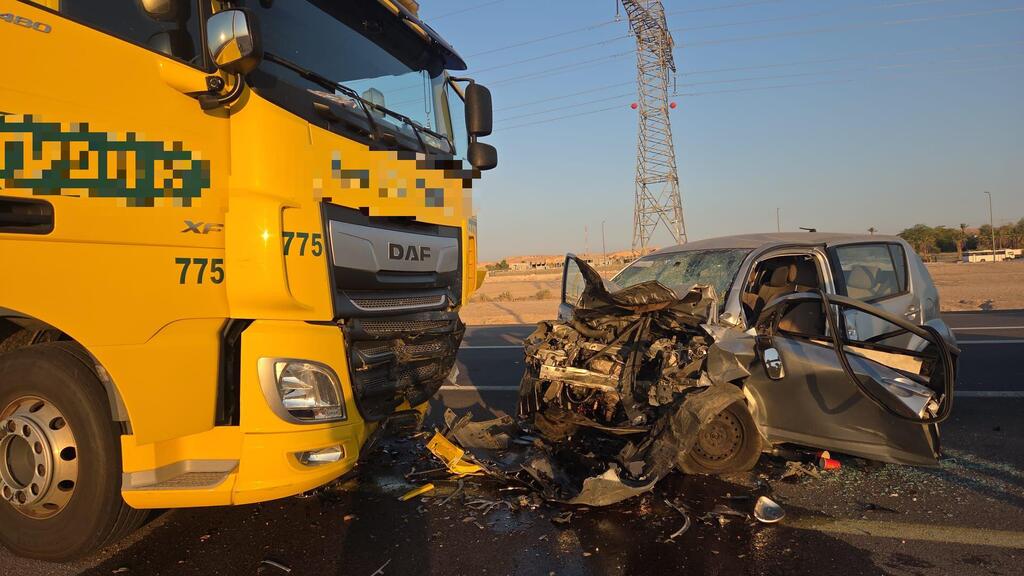
Accident on Highway 90
(Photo: MDA)
Among Jewish children, the monthly risk linked to small electric vehicles rises by about 50% during the summer, while among Arab children it falls by around 10%, according to the authority’s analysis.
Around 38% of child pedestrian fatalities occur when children suddenly enter the road or cross while hidden from drivers’ view. Among Jewish children, that figure rises from 42% during the school year to 58% during the summer. Among Arab children, it increases more modestly, from 29% to 33%.
The risk to children traveling in private vehicles remains nearly unchanged throughout the year and does not appear to contribute significantly to the rise in summer casualties.
National Road Safety Authority CEO Gili Cohen said the summer break is a period of recreation for children but also one of significantly increased danger.
“Every one of us, drivers, parents and local authorities, can help save lives through greater vigilance,” he said. “Drivers must slow down near residential neighborhoods, parks and playgrounds, while parents should repeatedly remind children about safe crossing rules and supervise them, particularly at younger ages.”