

The investigation that led to the leave of absence taken by Military Advocate General Maj. Gen. Yifat Tomer-Yerushalmi over suspicions of a leaked video from her office has rocked the military justice system for more than a year.
At the center of the scandal is an alleged abuse case at an army-run detention facility, the political fallout surrounding it and a criminal probe that has now been transferred from the military to civilian authorities.
Gallery
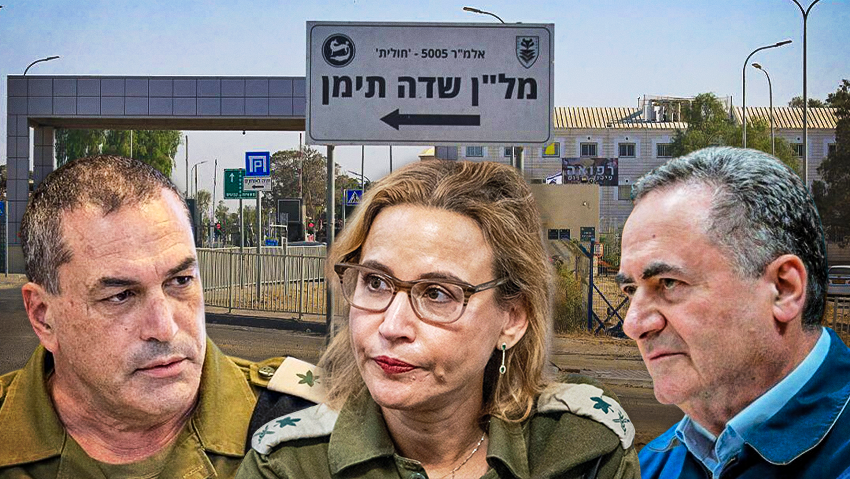
IDF Chief of Staff Lt. Gen. Eyal Zamir, Military Advocate General Maj. Gen. Yifat Tomer-Yerushalmi, Defense Minister Israel Katz
(Photo: IDF, Defense Ministry, Meir Even Haim, Shalev Shalom)
Military Police confront Unit 100 reservists on Sde Teiman base


What is the “Sde Teiman affair”?
The affair centers on a small military base south of Be'er Sheva that, since the start of the Gaza war, has doubled as a temporary detention facility for Palestinians suspected of being Hamas terrorists. In July 2024, several reservists from Unit 100 were arrested on suspicion of abusing a Palestinian detainee at the site.
According to an indictment filed against five of them — including two officers — the soldiers allegedly kicked the detainee, stomped on him, dragged him across the floor and used a taser on him, including to the head, while he was bound and blindfolded. Though early reports included suspicions of sexual assault, those charges were ultimately not included. The detainee suffered serious injuries: seven broken ribs, a punctured lung, rectal tearing and internal bleeding, requiring surgery and a colostomy.
How did the case erupt?
The case became public after the military police (CID) raided the Sde Teiman base on July 29, 2024, detaining eight reservists following reports from foreign human rights organizations alleging mistreatment of detainees.
A video filmed by undercover CID officers, some in masks, later aired and inflamed public outrage. Protests escalated into an attempted break-in at another base, Beit Lid, leading to violent clashes involving masked and sometimes armed demonstrators.
MK Tzvi Succot and right-wing protesters storm Sde Teiman base
Protesters storm Sde Teiman base
(Video: Ilana Curie)
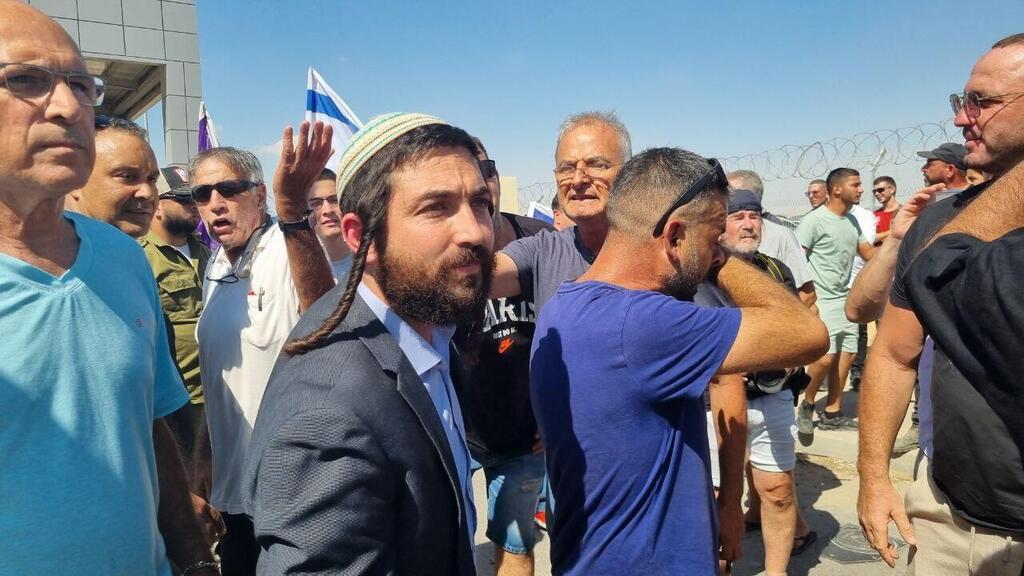
MK Tzvi Succot at Sde Teiman base
(Photo: Ilana Curiel)
The raid triggered a national uproar: soldiers and civilians stormed bases, clashing with military police. Right-wing politicians, including Religious Zionist Party MK Tzvi Succot and Deputy Minister Almog Cohen of Otzma Yehudit, arrived at the scenes in support of the soldiers. Journalists covering the protests, including Ynet and Yedioth Ahronoth’s Ilana Curiel, were attacked and had to be extracted.
Then–IDF chief of staff Herzi Halevi condemned the incidents as “grave and unlawful behavior.” Then-defense minister Yoav Gallant and Prime Minister Benjamin Netanyahu called for calm. Still, the event quickly became a political flashpoint between the military-legal establishment and right-wing leaders defending the accused soldiers.
The tension reached a Cabinet meeting the next day, where a rare confrontation broke out between ministers. Netanyahu remarked, “You don’t storm IDF bases — but you also don’t allow selective law enforcement and block Kaplan Street,” referencing anti-government protests.
What are the charges against the soldiers?
The indictment describes a particularly violent assault on a Palestinian detainee, reportedly a member of Hamas’ elite Nukhba unit. Prosecutors allege that two of the accused pinned the detainee against a wall with his arms raised while others kicked him, stomped on him and repeatedly tased him for about 15 minutes. The charges include abuse, aggravated assault and exceeding authority. The accused deny the allegations.
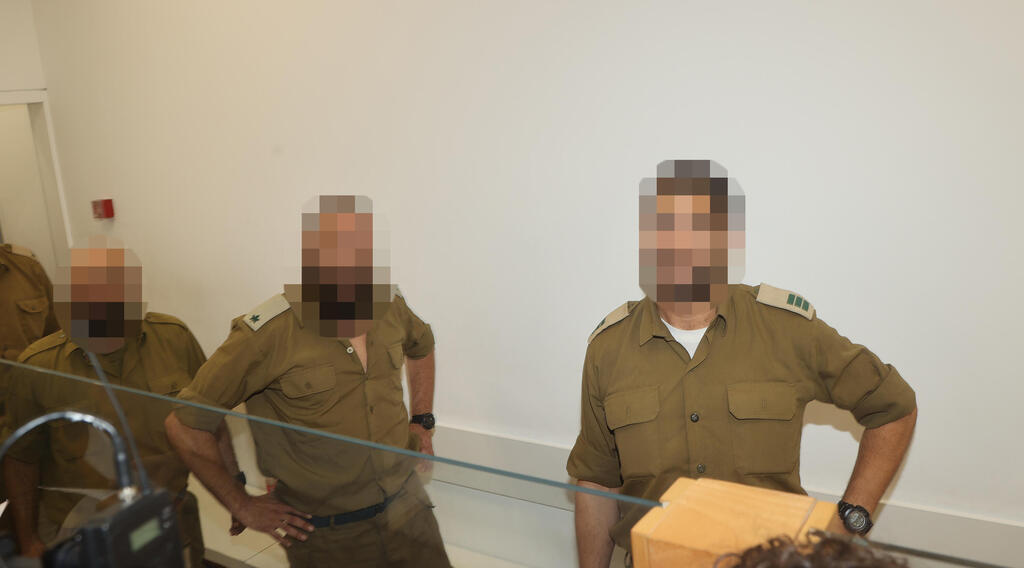
The suspects in court
(Photo: Yariv Katz)
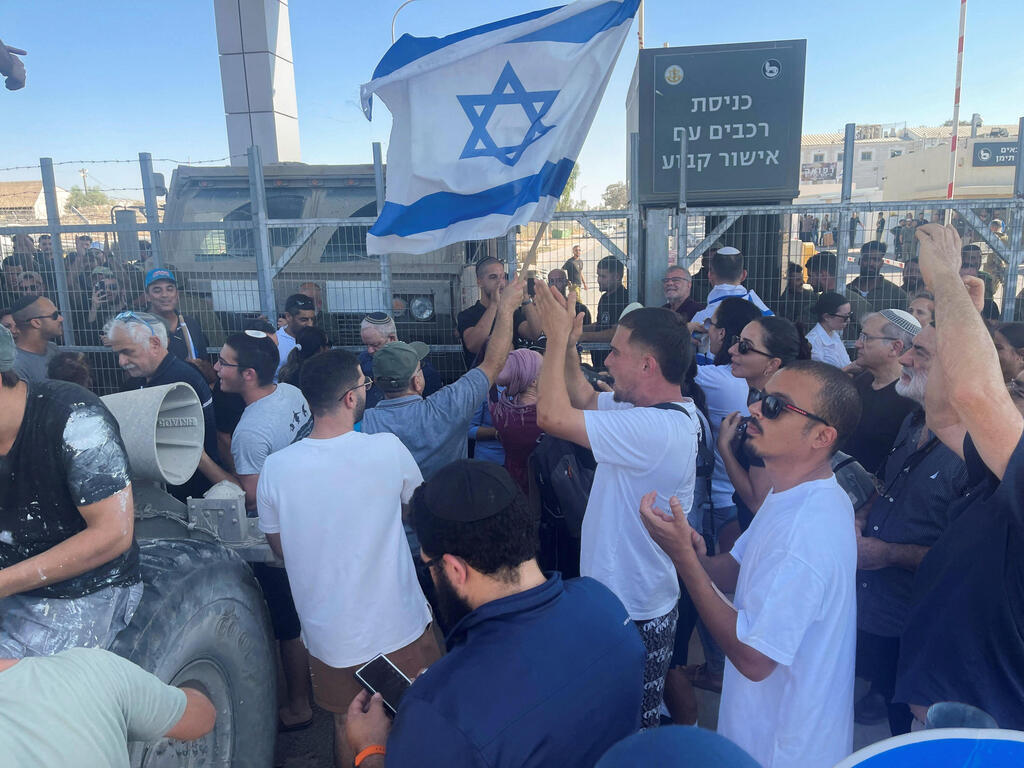
Right-wing protesters outside Sde Teiman base
(Photo: REUTERS/Jill Gralow)
At the first court hearing in March, a military judge proposed mediation. Defense attorneys demanded a formal investigation into the leak of the video and clarification from prosecutors that no sexual offenses were committed, given the early rumors.
What is the leaked video, and why does it matter?
In August 2024, Channel 12 News aired a video showing IDF soldiers allegedly abusing detainees. The military said the footage was misleadingly edited from two separate incidents. Following the broadcast, the Choosing Life bereaved families forum petitioned the High Court of Justice to investigate the leak, claiming it endangered soldiers and harmed Israel’s global image.
It has since emerged that the video originated from within the IDF system and that suspicion eventually fell on personnel within the Military Advocate General’s office itself.
Why was the investigation transferred to civilian authorities?
Attorney General Gali Baharav-Miara announced Wednesday that a criminal investigation has been opened, led by the Israel Police's Intelligence and Investigations Division and overseen by the State Attorney’s Office. The move followed new evidence gathered in recent months and, she said, was necessary to avoid a situation where “the army investigates itself.”
The two main reasons, she said, were the emergence of new information and the need to preserve public trust by ensuring the probe is conducted independently of the military unit under suspicion.
What are the suspicions against the military advocate general and her inner circle?
The investigation is focused on whether individuals close to Tomer-Yerushalmi were involved in leaking the sensitive video or were aware of it. While the IDF has not ruled out the possibility that Tomer-Yerushalmi herself authorized the leak, she is currently not a suspect and is considered a witness. Military legal sources believe she would not have stepped aside had there been any serious suspicions of wrongdoing, and she is expected to give her account to investigators soon.
Protest outside the home of Military Advocate General Yifat Tomer-Yerushalmi following the arrest of nine soldiers suspected of abusing a Nukhba terrorist
(Video: Lior Sharon)
Why did the military advocate general go on leave, and who claims otherwise?
This question lies at the heart of a key rift in the case. According to the IDF Spokesperson's Unit, Tomer-Yerushalmi herself requested the leave of absence to safeguard the integrity of the investigation and the independence of its investigators. “The chief of staff approved her request until the facts are clarified,” the statement said.
However, Defense Minister Israel Katz contradicted that account, saying the general was placed on leave by order of the chief of staff and “will not return to her post until the investigation concludes.” Katz described the situation as a “blood libel against IDF soldiers” and said he “fully supports the decision.”
Who is expected to replace her?
No official acting replacement has been named, but it is widely expected that her deputy, Col. Gal Asael, will assume temporary leadership. A veteran legal officer, Asael previously headed the military prosecution’s investigations unit and led the internal review that closed an earlier inquiry into the same video leak last year.
Still, the IDF said the matter is “under review and will be resolved shortly,” suggesting that no final decision has been made on how the Military Advocate General’s Office will operate in the coming days.
Why is the investigation so sensitive?
The case strikes at the core of a longstanding dilemma for the IDF since the start of the Gaza war: the tension between holding soldiers accountable for alleged serious misconduct and avoiding actions that could criminalize soldiers during wartime.
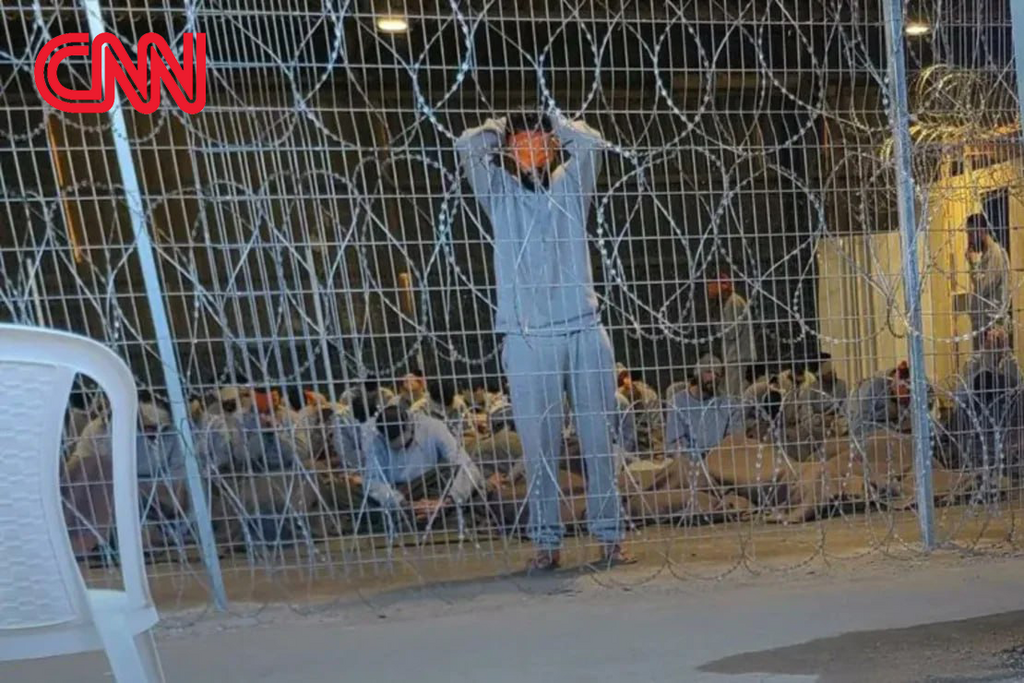
Gaza detainees on Sde Teiman base
(Photo: CNN)
Now that the investigation has expanded to include the very office responsible for overseeing military legality — the Military Advocate General’s Corps — it presents a highly unusual crisis of confidence within the military establishment itself.
What comes next?
Tomer-Yerushalmi is expected to testify in the coming days. Legal experts believe she would not have gone on leave if there were real concerns about obstruction or criminal liability, but the matter will only become clearer after more witness statements are collected.
Until then, both military and political leaders are watching closely, as the affair has already expanded well beyond a base in southern Israel and evolved into a test of public trust in the IDF and its legal institutions.