

Against the backdrop of a ceasefire with Iran, the IDF and the broader defense establishment are signaling that fighting against Hezbollah in the north is continuing. With military activity against Iran’s mullah regime halted, air force assets are now being redirected to focus fully on Lebanese airspace. Additional resources from Military Intelligence are also expected to join the effort.
On the other side, Hezbollah has fired dozens of rockets toward communities in the Galilee since the morning hours. Since the start of the campaign in Lebanon, the IDF has avoided stating that the fighting with Iran affected its achievements against Hezbollah, emphasizing that Northern Command has all the tools it needs. In practice, however, that has not been the case.
Footage from a strike in Lebanon
(Video: IDF)


Air force resources allocated to the primary arena against Iran were lacking in Lebanon. Shortages were also felt in firepower available to maneuvering ground forces, as well as in the intensity and continuity of strikes against Hezbollah.
Five divisions are currently operating in southern Lebanon, deployed along the border from east to west and positioned up to about nine kilometers (5.5 miles) inside Lebanese territory. The IDF is expected to present the political echelon with a plan to demolish and destroy homes identified as hostile in the first line of villages, after which a “security zone” would be established, similar to the Yellow Line buffer zone in the Gaza Strip. Forces are not maneuvering deeply but instead are controlling the area primarily through fire from strategic positions.
During the opening phase of Operation Eternal Darkness on Tuesday, Ali Yusuf Harshi was killed in Beirut. Harshi was the personal secretary and nephew of Hezbollah Secretary-General Naim Qassem. According to the IDF spokesperson, Harshi was a close associate of Qassem and played a central role in managing his office and security.
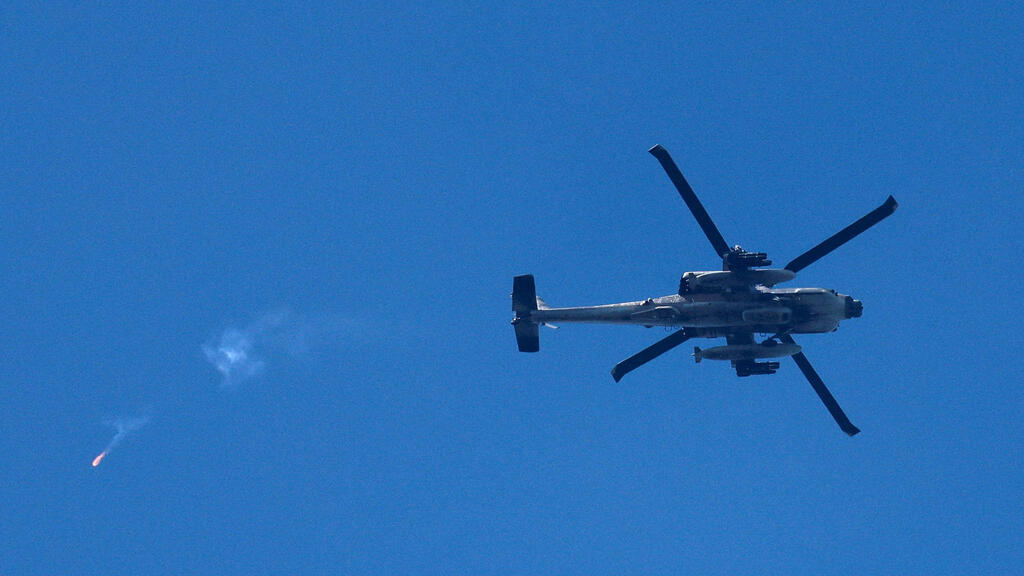
The IDF said that at the start of the new operation in Lebanon, about 100 Hezbollah targets were struck within 10 minutes, in what it described as the largest attack on the group’s infrastructure to date. The military said the strikes were based on prior intelligence and a preplanned operation involving roughly 50 fighter jets. This, officials indicated, was made possible by the ceasefire with Iran.
To control the area between the border and the Litani River and to isolate it from the rest of Lebanon, the IDF has been bombing bridges along the river to hinder Hezbollah’s ability to move weapons and operatives. Overnight, Israeli forces struck two key crossings used by Hezbollah to move between the northern and southern banks of the Litani and to transport thousands of weapons, rockets and launchers. There are eight such crossings along the river, most of which have been targeted in recent days.
The full integration of the air force and Military Intelligence into the campaign against Hezbollah is expected to increase the volume of fire and deal a heavier blow to the Shiite militant group.
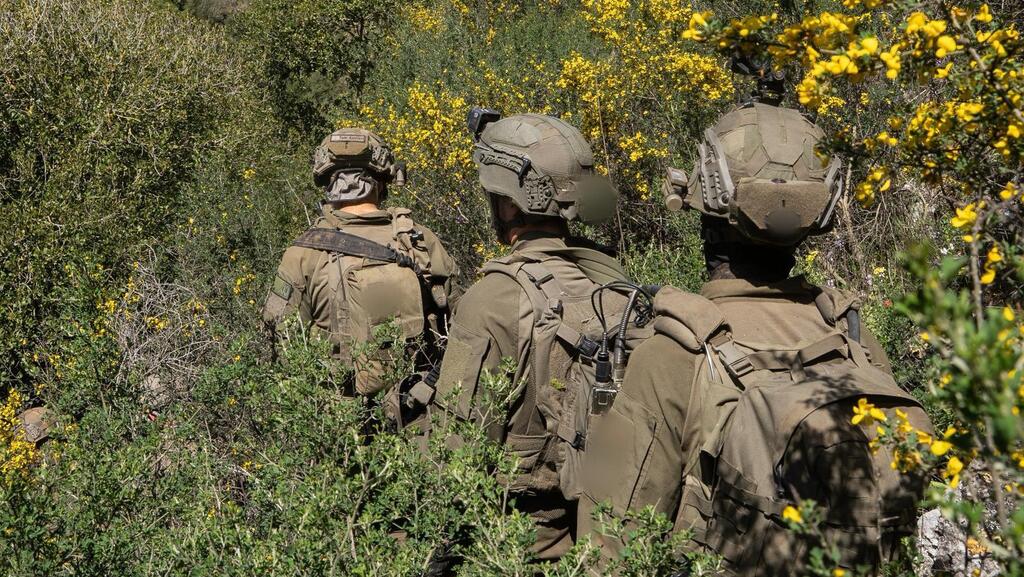
IDF troops operating in southern Lebanon
(Photo: IDF)
Israel’s political leadership now faces a significant crossroads. On one hand, after weeks of fighting in southern Lebanon, Northern Command has the tools to carry out more aggressive operations that could potentially lead to a decisive outcome and a more favorable agreement than previously reached with Hezbollah.
On the other hand, there is pressure from Iran, and possibly from the United States, to de-escalate in southern Lebanon. In other words, Israel is now in a position to intensify its attacks against Hezbollah, but just as all the necessary capabilities are in place, diplomatic pressure may prevent it from doing so.
In Sidon, Maher Hamdan, a commander in the Lebanese Brigades — a Hezbollah-affiliated group — in the Shebaa area, was killed along with eight other operatives. Hamdan was responsible for recruiting fighters, supplying weapons and funding the group’s activities in Shebaa, and had attempted to flee to Sidon. The military noted that the Lebanese Brigades are funded by Hezbollah and directly linked to it.
Overnight, the IDF also struck two central crossings used by Hezbollah operatives to move between the northern and southern Litani River, facilitating the transfer of thousands of weapons, rockets and launchers. About 10 weapons depots, launch sites and command centers used by Hezbollah in southern Lebanon were also targeted.