


The IDF plans to significantly scale back the number of defense troops stationed in West Bank settlements, shifting much of the responsibility for local security to residents themselves, according to military officials and lawmakers.
The planned drawdown follows over two years of heightened security activity that began after the October 7 Hamas attacks, when the IDF reinforced local defense units and mobilized thousands of territorial defense fighters across the West Bank. The move was intended to prevent incidents similar to those that occurred in the Gaza border area.
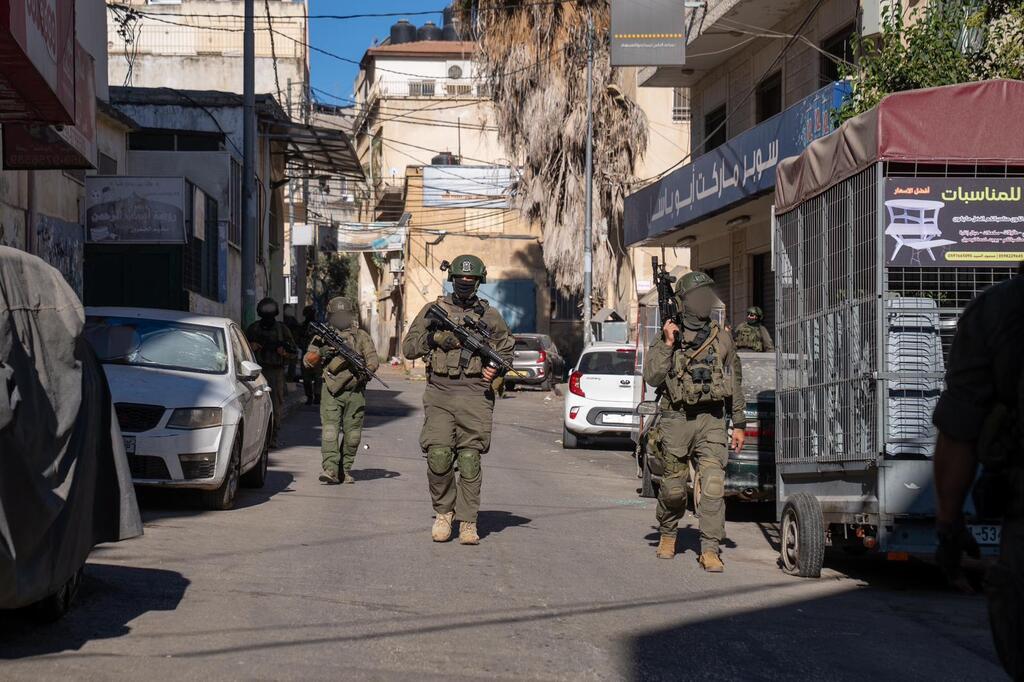
Since then, the army has periodically adjusted the number of troops deployed in the region in line with changing security assessments. Sources told ynet that the current intention is to substantially reduce the number of soldiers on the ground.
Military officials said no final decision has yet been made but confirmed that several meetings were held in recent months with heads of local councils, who were told to prepare for a gradual reduction in territorial defense positions.
Knesset member Zvi Sukkot of the Religious Zionism party sent a letter to IDF Chief of Staff Lt. Gen. Eyal Zamir warning against the move. He wrote that the army intends to cut territorial defense forces in the West Bank by about 30 percent in the coming weeks, with an eventual goal of ending their activity altogether—without reinstating the local defense units that previously operated in the settlements.
“As a result, many communities now face significant gaps between their documented security needs and the forces currently allocated by the IDF,” Sukkot wrote. “Army officials have told residents these gaps are expected to be filled by implementing the civilian guard order, which places responsibility for security on the residents themselves.”

MK Zvi Sukkot
Sukkot argued that the plan raises serious concerns. “Smaller communities with limited populations cannot reasonably fund the necessary security measures,” he said. “It is unacceptable to suddenly impose such heavy financial burdens on civilians for their own protection when security is the state’s basic responsibility.”
He added that ending the territorial defense activity without an alternative “leaves the communities with fewer defenders than before the war, at a time when the threats have only increased.”
In response, the IDF said security assessments regarding force deployment are ongoing. “Once decisions are made, the relevant units and personnel will be updated accordingly,” the army said. “Regardless of the final decision, communities in the Judea and Samaria region have trained and equipped standby squads, and their defensive infrastructure has been improved, alongside combat forces already deployed in the area.”