


Knesset plenum will convene Monday for the ceremonial opening of the parliamentary year, marking the start of its winter session. It is the fourth session of the 25th Knesset, and the question hanging over Israel’s political scene is whether it will also be the last before new elections.
According to political sources, some of Prime Minister Benjamin Netanyahu’s advisers have urged him to go to elections immediately after the recess, following the return of Israeli hostages and praise from U.S. President Donald Trump. They argued that such timing would give Netanyahu a boost and allow him to capitalize on positive momentum while avoiding the day-to-day struggles of maintaining a shaky coalition dogged by the ultra-Orthodox draft dispute.
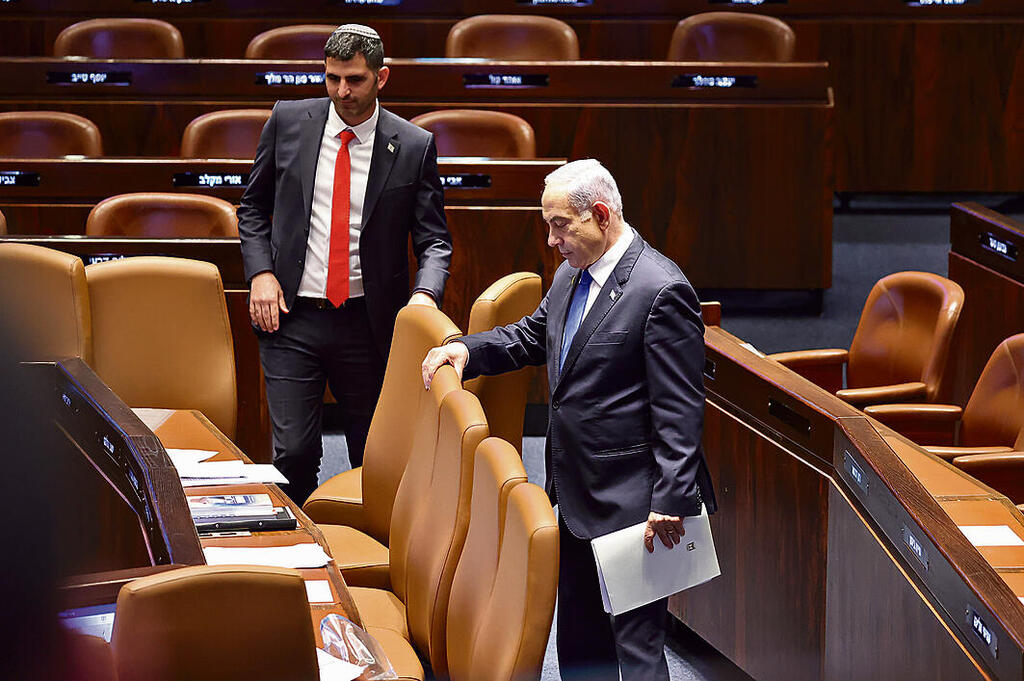
For now, Netanyahu has decided against elections, mainly because he wants to expand the Abraham Accords during his current term rather than as head of a caretaker government.
Coalition returns to mounting crises
Knesset’s return from its long summer and holiday recess brings a series of challenges that have been simmering for months. The government faces a coalition crisis over the military draft law for ultra-Orthodox men, internal disputes over legislative priorities, and an upcoming state budget that will likely require tough cuts to cover the cost of the war in Gaza.
In addition, coalition parties are expected to clash over political interests and positioning ahead of potential elections.
Ultra-Orthodox draft bill could decide Knesset’s fate
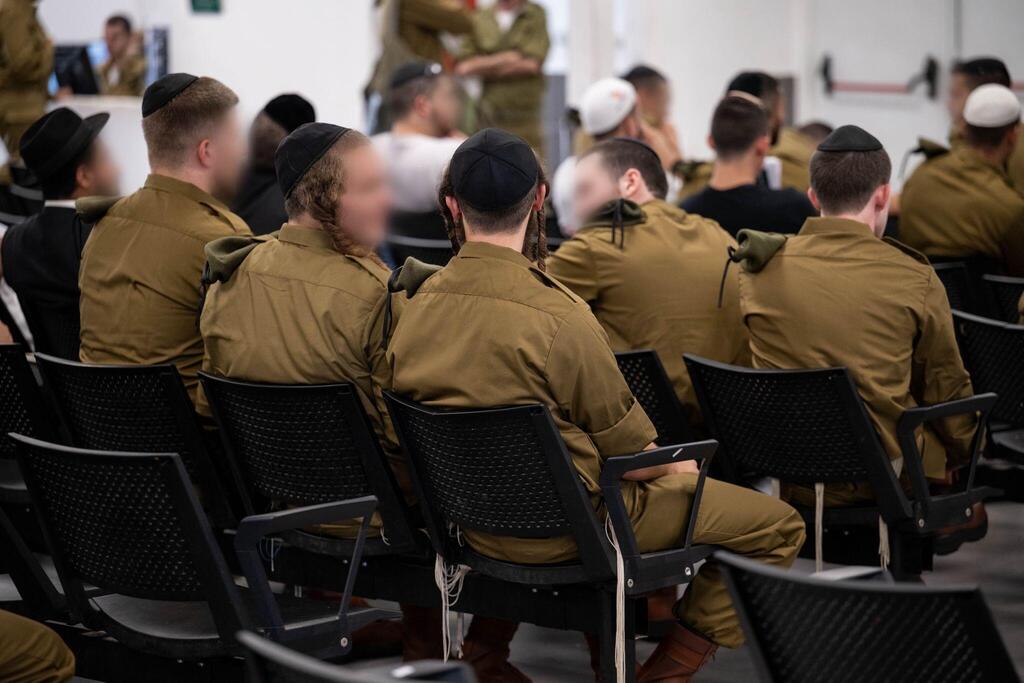
The future of Knesset — and of the government — largely depends on the fate of the proposed draft exemption law for ultra-Orthodox yeshiva students. It is considered the coalition’s most critical issue. Netanyahu, Coalition Chair Ofir Katz and their partners all recognize that without progress on the bill, the government’s stability is at risk.
The ultra-Orthodox parties do not want elections but have been blocking key votes and paralyzing coalition activity in Knesset, growing increasingly impatient as the government delays the law’s advancement.
(Photo: IDF)
It remains unclear whether Netanyahu intends to pass the bill in full, but he is eager to show the ultra-Orthodox that the government is working on a formula they can publicly accept. The plan is based on a draft prepared by Foreign Affairs and Defense Committee Chair Boaz Bismuth, reflecting understandings reached between coalition representatives and the ultra-Orthodox factions. Officials hope the committee’s legal adviser will finalize the bill within two weeks, giving the ultra-Orthodox a reason to rejoin the coalition’s day-to-day work.
Shas leader Aryeh Deri is pushing to return to the government but cannot do so without the cooperation of his Ashkenazi ultra-Orthodox partners, who demand that the law actually pass rather than remain in draft form.
At the same time, the coalition must pass the state budget by the end of March or Knesset will automatically dissolve. Netanyahu hopes to fast-track the budget and approve it before January. However, as with all major legislation, he lacks a majority without the ultra-Orthodox factions, who insist on progress on the draft law first.
Dispute over civil service appointments
Without ultra-Orthodox support, Knesset remains largely gridlocked, even on early-stage private bills. Still, Netanyahu and his allies are moving forward on several legislative fronts.
A top priority is the Civil Service Commissioner Law, which lies at the center of Netanyahu’s dispute with Attorney General Gali Baharav-Miara. The High Court of Justice ruled that the commissioner’s appointment must be made through a competitive process to ensure independence. Netanyahu is now backing a bill by Likud lawmakers Amit Halevi and Ofir Katz to eliminate that requirement. The bill’s progress depends on the court’s forthcoming decision on a renewed petition.
(Photo: Yoav Dudkevich)
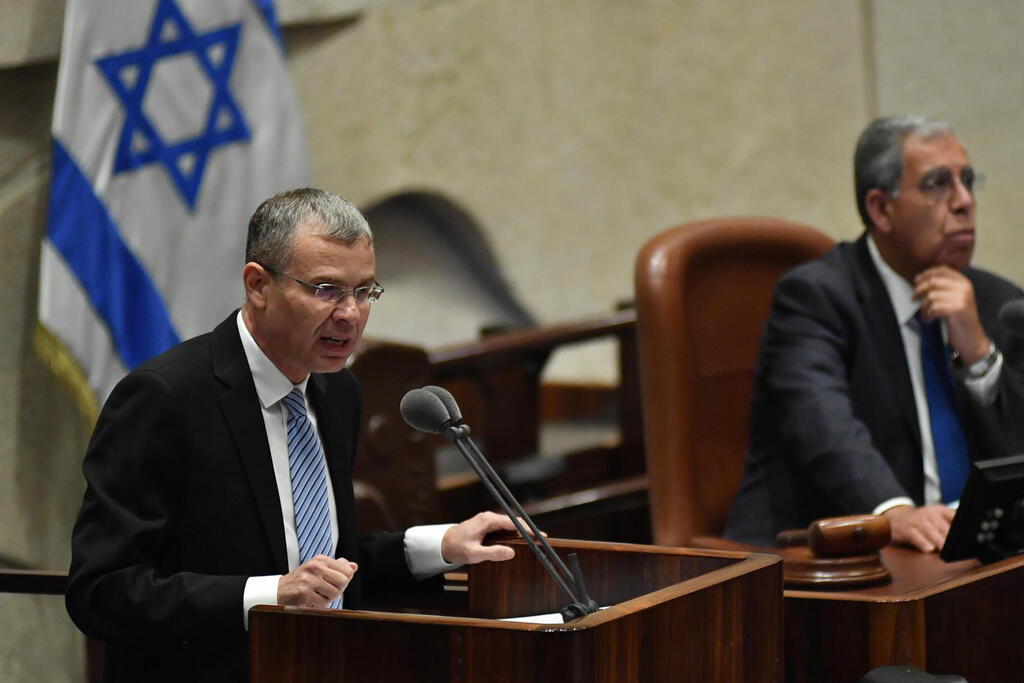
Netanyahu also directed Justice Minister Yariv Levin to prepare legislation that would make it easier for the government to appoint senior civil servants. Levin is working on a proposal drawn from a right-leaning forum of senior bureaucrats who advocate for stronger political control over Israel’s civil service. Under the plan, each incoming government would be able to replace top officials, similar to the U.S. model. The bill would also include public hearings for nominees and abolish the current search and advisory committees that vet senior appointments.
Legislative moves and political interests
Beyond the major policy fights, Netanyahu must also manage the personal ambitions and agendas of coalition lawmakers.
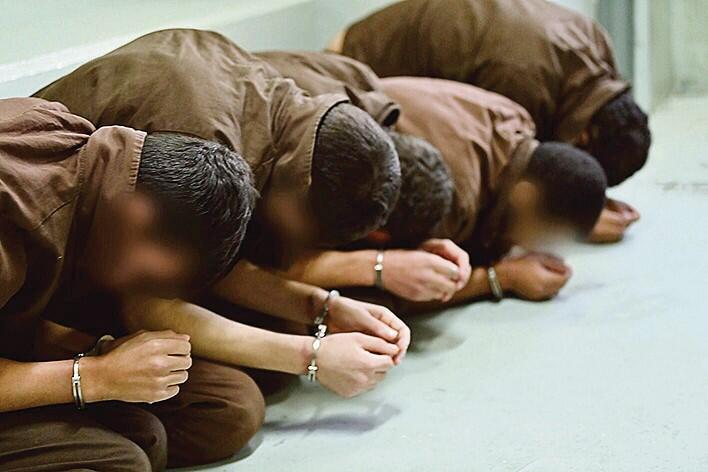
Likud MK Ariel Kallner is advancing a bill that would allow the defense minister to postpone Netanyahu’s ongoing corruption trial in times of war or national emergency. Other legislation under consideration includes a bipartisan bill to prosecute members of Hamas’ elite Nukhba terrorist unit, co-sponsored by Levin, MK Simcha Rothman of Religious Zionism and MK Yulia Malinovsky of Yisrael Beiteinu.
(Photo: Israel Prison Service)
Additional measures awaiting debate include a bill to remove the Supreme Court president’s authority to assign judicial panels — instead delegating that task randomly through a computer system — and legislation to separate the Police Internal Investigations Department from the State Attorney’s Office.
Finance Minister Bezalel Smotrich plans to push tax benefits for IDF reservists, while Coalition Chair Katz is preparing bills to increase penalties for rioters who block or burn roads, double the budget for rehabilitation centers for disabled veterans, and extend funding for first degrees for combat soldiers.
Communications Minister Shlomo Karhi continues to pursue an overhaul of Israel’s communications sector, and National Security Minister Itamar Ben-Gvir is pressing ahead with a bill to impose the death penalty on convicted terrorists.
Inquiry into October 7
With the war winding down and a ceasefire now in place, public pressure is mounting for a full inquiry into the October 7 Hamas terrorist attack. Netanyahu wants to establish a governmental commission of inquiry or a panel created through private legislation, one that would not allow Supreme Court President Yitzhak Amit to appoint its chair as current law requires.
The prime minister aims to set up the committee before elections so the current coalition can control its membership and procedures. Netanyahu’s aides are examining potential candidates and legal options, but no final decision has been made.
Elections only a matter of time
Although Netanyahu currently opposes early elections, few in his coalition believe the government will survive the full five-and-a-half-month winter session. Each faction is expected to harden its stance and prepare for the next campaign once cracks appear.
Netanyahu will likely seek to time the government’s collapse to his advantage. If he concludes that the coalition is breaking apart, he is expected to set the date and framing of the election himself.
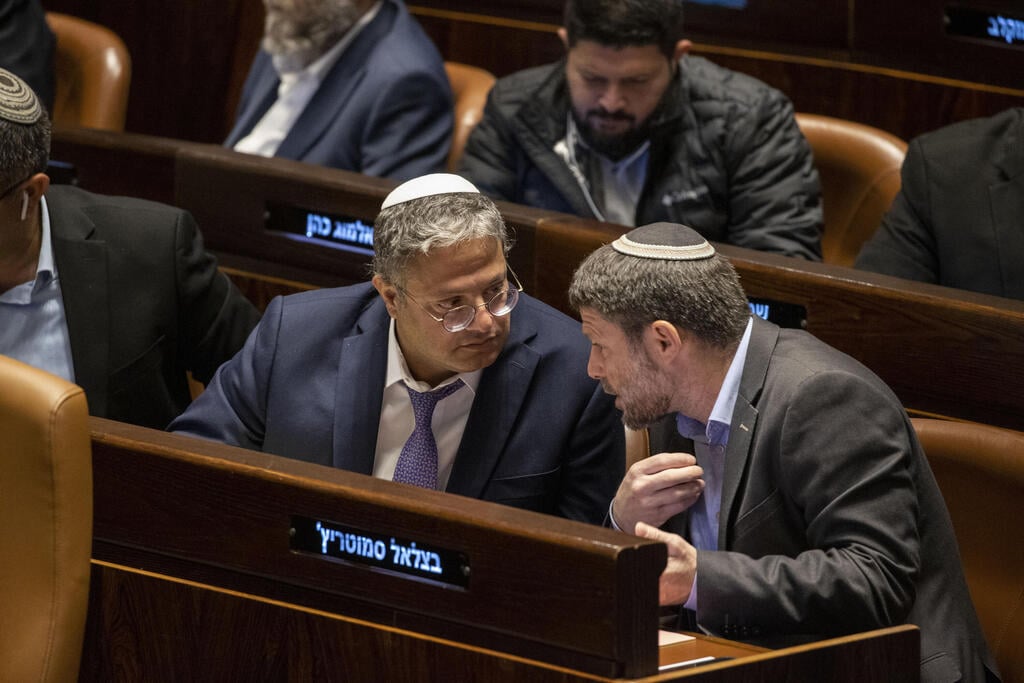
(Photo: Amit Shaabi)
Smotrich and Ben-Gvir, who gave Netanyahu political room during the first phase of the recent ceasefire deal, may decide to pull out of the government, accusing him of failing to fully demilitarize Hamas in Gaza. Both are wary of being blamed for toppling a right-wing government, but tensions are expected to rise as the session progresses.
Knesset’s winter session is scheduled to last until spring, with Israeli politics poised for months of intense debate and maneuvering as the war recedes, the surviving hostages return home, and political parties gear up for what many see as an inevitable election.