

Israel’s post-war defense planning now centers on a requirement to keep about 60,000 reservists on duty at any given moment starting in 2026, reflecting what the IDF describes as a prolonged period of heightened security across multiple fronts.
Senior military and political officials have reviewed internal IDF assessments showing that the country expects at least a year of intensified routine security operations. The estimate applies even in a relatively calm scenario without new escalation in Lebanon or Gaza. The projected number represents more than half of next year’s combined combat and support forces compared with the standing army.
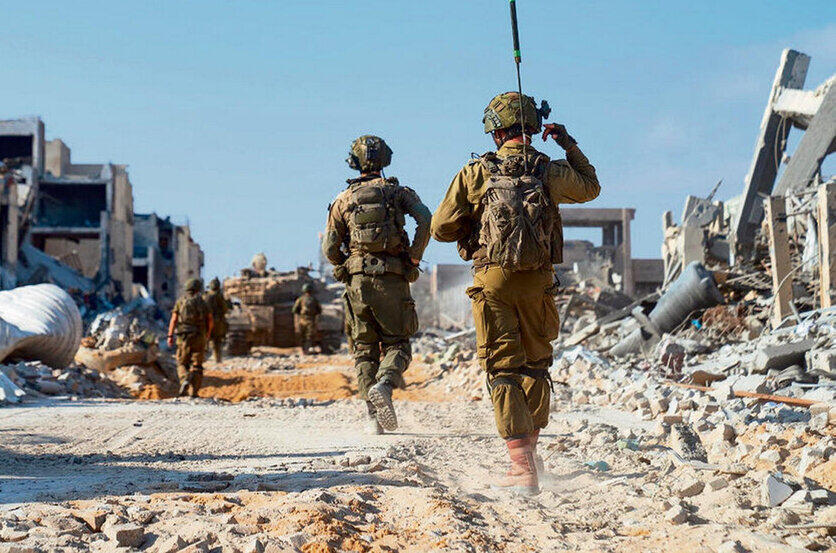
Beginning in January, reserve duty is set to return to standard mobilization rather than emergency orders. A pending agreement would cap annual reserve service at up to two and a half months per soldier. That schedule had been intended for 2025 but was delayed by the collapse of a planned hostage deal and extended IDF operations in Gaza. Without new ultra-Orthodox enlistment tracks, the IDF says it cannot reduce the load on reservists.
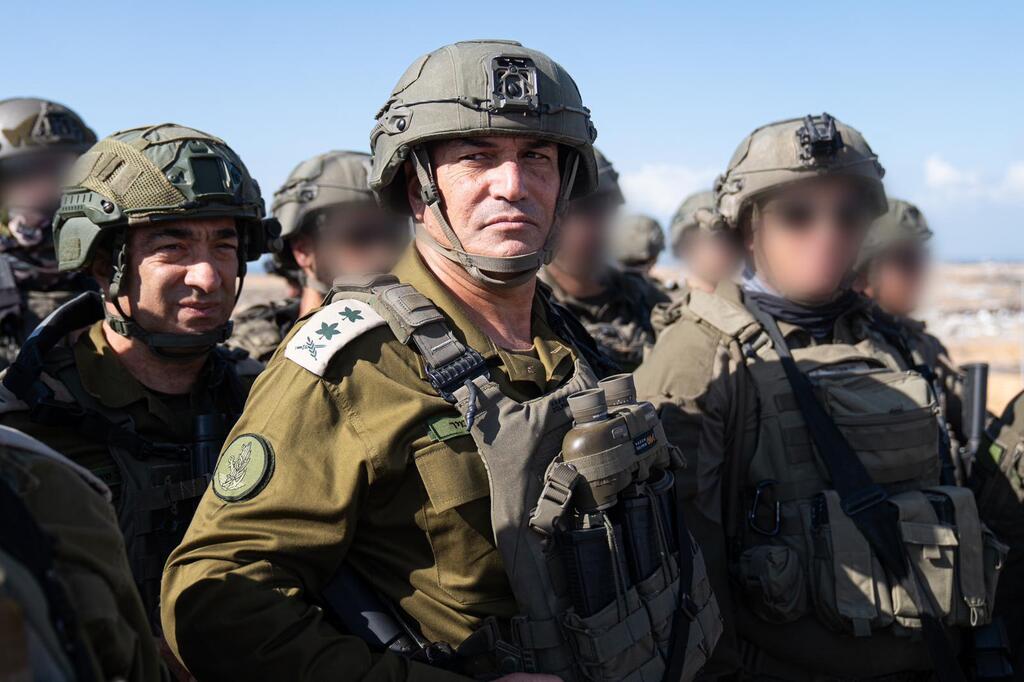
While both the IDF and the Finance Ministry agree that regular units are far more cost-effective, they remain divided on how long the expanded reserve quota should remain in place. The Treasury wants the quota approved only for 2026. IDF Chief of Staff Lt. Gen. Eyal Zamir is demanding a five-year guarantee, arguing that Israel will face sustained security pressure well into the decade. The Galilee Division alone now fields roughly two and a half times more troops than before the Oct. 7 attack.
Each day of reserve duty costs the state about 1,100 shekels. The Finance Ministry says reserve service during the two years of war cost about 70 billion shekels directly and another 110 billion in broader economic impact. Internal IDF probes have begun examining alleged misuse of reserve duty, including cases in which contractors received several days of pay for limited service. A new directive limits such practices and tightens oversight.
Finance officials say about 17,000 reservists have remained in uniform continuously since Oct. 7, a number they describe as equivalent to four full brigades the IDF could have staffed. The military counters that creating new units takes one to two years and that planned expansions, such as the Hashmonaim Brigade, would not become operational before 2028.
(Photo: IDF)
Another dispute involves the IDF’s need to rebuild its “surprise box,” a term for advanced capabilities used only in critical missions. During last summer’s operation against Iran, the military employed expensive precision munitions, advanced technologies and long-guarded deception tools. The IDF says replenishing these assets will take years and cost tens of billions of shekels.
The military’s proposed 2026 budget totals about 140 billion shekels, roughly 40 billion above the Treasury’s preferred baseline, citing wartime costs, procurement needs and recommendations from the Nagel Committee on defense spending.
With little direct dialogue between the sides, both now await a decision from Prime Minister Benjamin Netanyahu. The IDF plans to warn that unresolved budget issues and the departure of thousands of career officers over low compensation risk undermining the military’s readiness. Officials say that without a comprehensive deal, Israel could eventually face higher costs and a weaker army.