

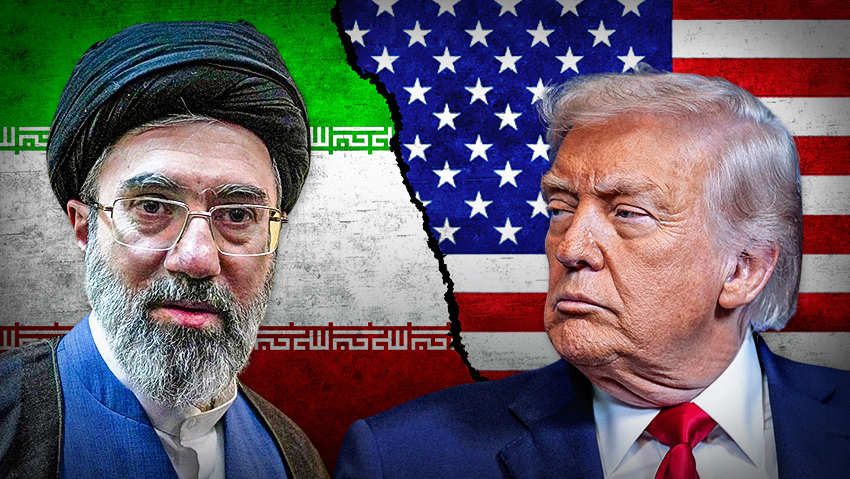
The battle of wills between the United States and Iran over a framework meant to end the war is intensifying. According to Axios, U.S. President Donald Trump asked Friday to make two changes to the emerging memorandum of understanding between Washington and Tehran, while Iran is expected to demand revisions of its own. Washington is now waiting for Iran’s official response, though Axios reported that the gaps between the sides are small.
Mohsen Rezaei, military adviser to Supreme Leader Mojtaba Khamenei, told CNN on Friday that negotiations between the United States and Iran “are at a deadlock.” “Trump must break this deadlock,” Rezaei said. “The ball is in Trump’s court.” A senior Iranian official told CNN that talks now depend on the United States releasing $24 billion in frozen Iranian assets, with $12 billion released upon the signing of a potential agreement and the remainder at a later stage.
Gallery
(Photo: Hamed Jafarnejad/ISNA/WANA (West Asia News Agency) via REUTERS, shutterstock, AP/Alex Brandon)
“This is a test that America must pass, and the path will be opened,” Rezaei said. “This is our own money, not America’s money.” The U.S. position is that the funds would be released only after Iran takes practical steps to dismantle its nuclear program.
Rezaei warned that Iran would expand the war beyond the Persian Gulf if hostilities resume, though he said the possibility of renewed war was low. “We will give another dimension to the war by attacking these other American bases that we have been attacking so far,” he said. Asked about a possible U.S. ground invasion of Iran, Rezaei said Tehran was prepared. “The world will understand Iran’s true capabilities,” he said. “Our land power is many times greater than our missiles.”
He described the recent war as an Iranian victory, calling it “the first time Iran has emerged victorious in wars.” “In previous wars, Iran has always been defeated,” he said. Rezaei also said he was not interested in meeting Trump, accusing the U.S. president of bringing the talks “to a standstill.” He voiced doubt over the possibility of reaching a nuclear agreement, citing what he described as Trump’s “ambiguity” strategy and his withdrawal from the 2015 nuclear deal during his first term.
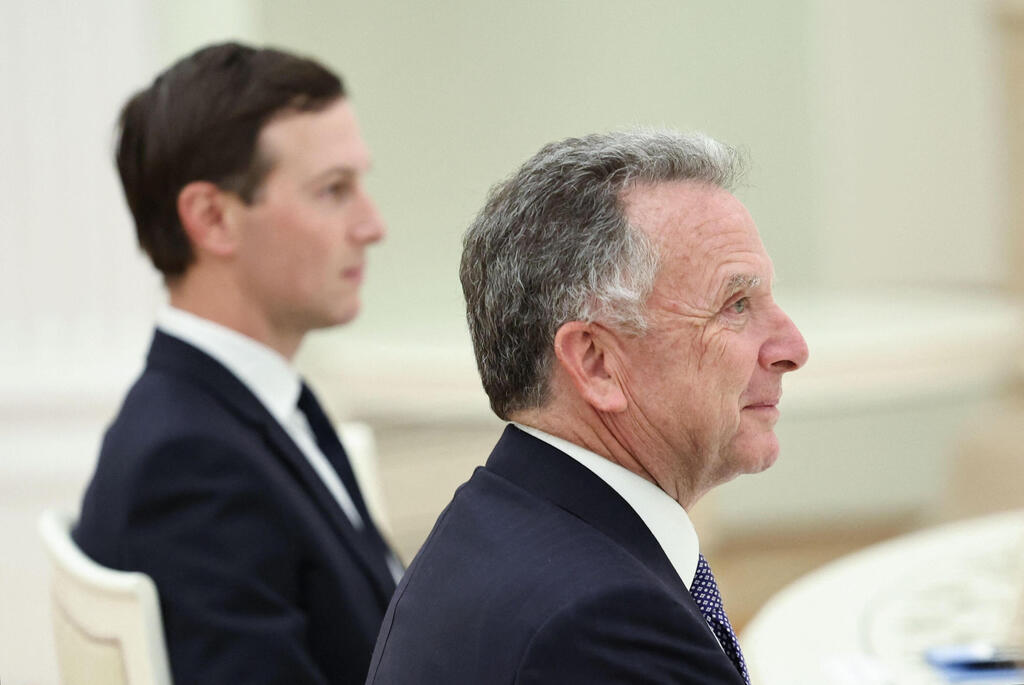
Despite Iran’s public statements, Washington appears to be preparing for possible progress toward an agreement. Axios reported that Trump envoys Steve Witkoff and Jared Kushner visited a U.S. national laboratory in Tennessee on Thursday and consulted with technical experts who could play a role in implementing the nuclear section of a deal with Iran.
If the negotiations reach the implementation stage, the team that met Trump’s envoys would be tasked with developing a practical plan to remove Iran’s uranium. It would also oversee the practical side of limiting Iran’s nuclear program. Some of the nuclear experts who attended the meeting had joined Kushner and Witkoff for negotiations with Iran in Oman before the war broke out.
(Photo: Alexander KAZAKOV / POOL / AFP)
Tensions also remain high on the ground. The U.S. military denied an Iranian navy claim that it fired warning shots near two American destroyers in the Gulf of Oman. “Iranian forces did not attack or fire on U.S. Navy warships,” U.S. Central Command said in a post on X, adding that such an action “would constitute a blatant violation of the cease-fire.” CENTCOM said U.S. forces continue to operate freely in regional waters while fully enforcing the ongoing blockade against Iran.
Iran’s navy had earlier claimed that it fired warning missiles and an attack drone toward two U.S. ships, after which the vessels “left the Gulf of Oman and headed toward the Indian Ocean.” Tehran also warned that although the enemy vessels had moved away and passed the range of the missiles used, “long-range missiles will be used if necessary.” Rezaei also emphasized that Iran and Oman maintain sovereignty over the Strait of Hormuz, describing Tehran’s demand that ships pay a passage toll as a “maintenance fee.”