


Israeli officials said Thursday that no decision has yet been made to open the Rafah crossing in either direction, despite reports and preparations on the ground.
A security official told ynet that opening the crossing is explicitly conditioned on the return of the last remaining hostage, Sgt. First Class Ran Gvili, whose body is still being held in Gaza. Without an explicit decision by the political leadership, the crossing will not open, the official said.
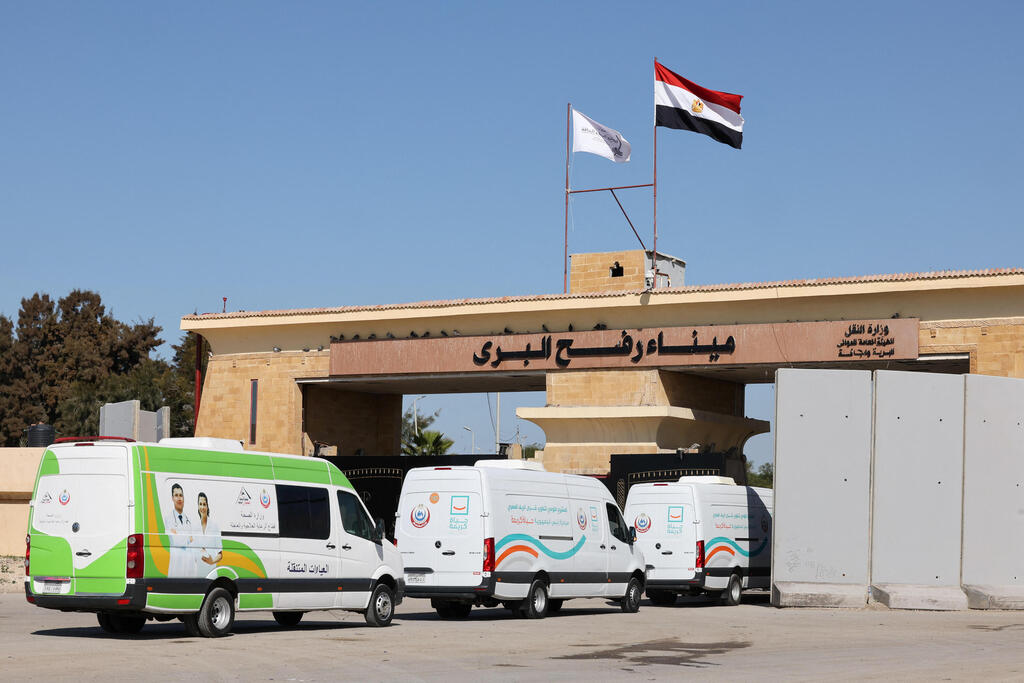
At the same time, Israeli officials estimate that U.S. President Donald Trump is pressuring Israel, Hamas and mediators to move to the second phase of his Gaza plan, and may announce progress on Thursday, Jan. 15. Israeli officials fear such an announcement could come even if Gvili has not been returned by then.
Although no formal decision has been taken, security officials said operational planning for a possible opening of the Rafah crossing has been completed. If approved, the crossing would open on a limited basis for the movement of people only, not goods, in both directions — from Gaza into Egypt and from Egypt back into Gaza.
According to the security official, departures from Gaza into Egypt would follow the same mechanism used in January 2025 under a previous Israel-Hamas deal. Egyptian authorities would submit a list of names one day in advance. Israel would conduct security checks and approve the list, after which those approved would pass through the crossing the following day.
The movement would be limited to civilians — including the wounded, the sick and others — as determined by Egypt. Israeli security authorities would approve each list subject to security criteria.
The Rafah crossing itself would be operated by the European Union Border Assistance Mission, which has also run the crossing during previous phases. Local Gaza personnel, pre-approved by Israeli security authorities, would assist on the ground. The security official said the staff are not affiliated with Hamas or other terrorist groups and are not official representatives of the Palestinian Authority.
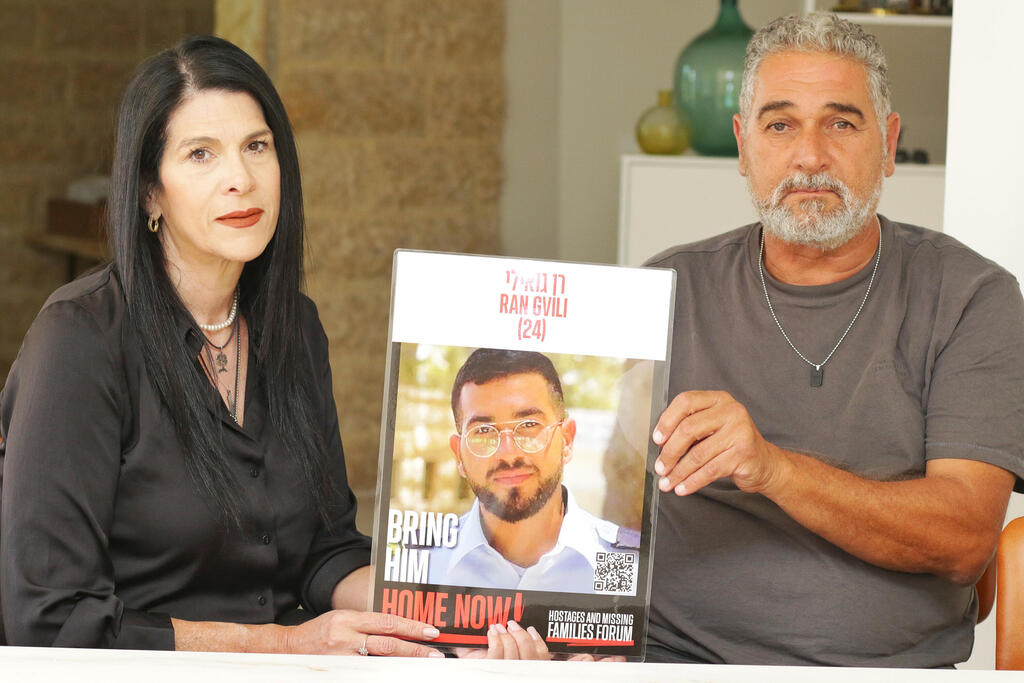
Ran Gvili's parents
(Photo: Meir Even-Hen)
A key change in the proposed arrangement concerns movement from Egypt back into Gaza, a mechanism that has not been implemented before. Egypt would submit lists of those seeking to return, which would require Israeli security approval. Travelers would undergo initial screening and identity verification by the EU mission at Rafah, with additional Israeli oversight conducted remotely.
Further checks would take place inside an area under IDF control. An additional screening facility is currently being built between the Rafah crossing and the so-called Yellow Line. That facility will be operated by Israeli security authorities and used for further inspections and identity verification.
The official said the system is designed to prevent the infiltration of hostile elements and the smuggling of weapons, equipment or prohibited goods back into Gaza.
Asked about estimates that thousands of Gazans could seek to return, the official said there are no confirmed figures. “It depends entirely on the lists the Egyptians submit and who they decide to return,” he said, adding that any daily limits would be set by the political leadership.
Meanwhile, searches continue in Gaza for Gvili, as mediators pressure Hamas and Palestinian Islamic Jihad to locate and return his body. Searches were conducted Wednesday in Gaza City’s Zeitoun neighborhood, during which gunfire was directed at Israeli forces. No Israeli casualties were reported, and the military carried out a retaliatory strike targeting a senior terrorist. Palestinian sources said the searches resumed again Thursday, including at locations provided by Israel to the terrorist groups.