

France’s Foreign Ministry is bracing for a turbulent week as it summoned the U.S. and Italian ambassadors for clarification following sharp criticism of President Emmanuel Macron over antisemitism, the war in Ukraine and France’s planned recognition of a Palestinian state next month.
The diplomatic friction comes amid domestic unrest, with a nationwide strike planned for September 10 to protest proposed budget cuts of €44 billion ($49 billion). Prime Minister Francois Bayrou hinted at bypassing a parliamentary vote to pass the budget, a move that could further inflame tensions.
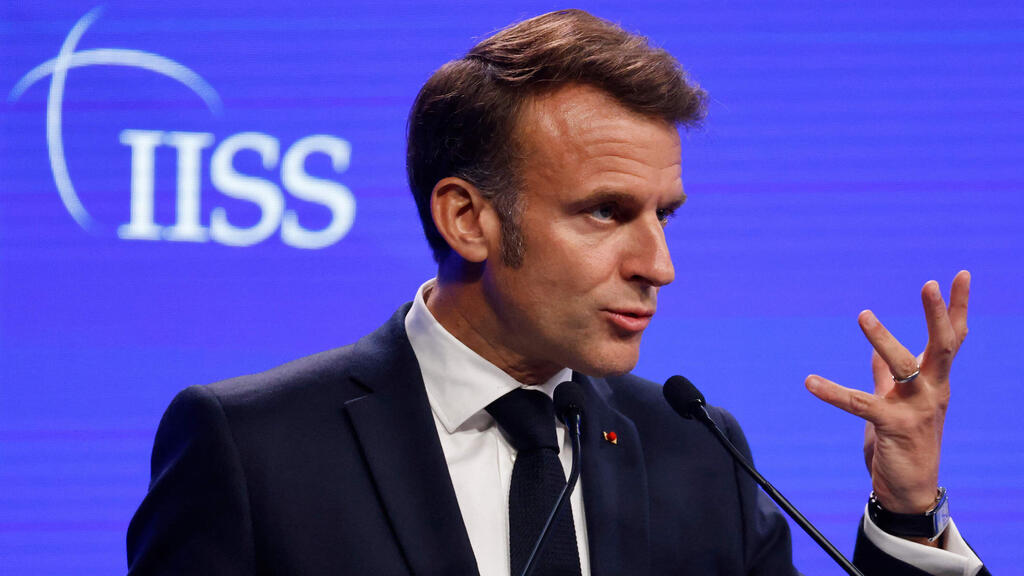
On September 8, Bayrou will also face a no-confidence vote that threatens to topple the government, with the far-left France Unbowed and Marine Le Pen’s National Rally already declaring their opposition. Macron spent the summer focusing on foreign policy, bolstering his image through support for Ukraine and preparations for Palestinian state recognition. However, his approach has drawn fire.
In May, he suggested French and British troops could ensure a ceasefire in Ukraine, a proposal met with scorn by Italy’s far-right League leader Matteo Salvini, who serves as deputy prime minister and transport minister.
Salvini accused Macron of warmongering to distract from his declining popularity, saying, “He has been harping on about war, the nuclear umbrella, bazookas, missiles and the European army for months now!”
After France summoned Italy’s ambassador, Emanuela D’Alessandro, to protest, Salvini doubled down, telling Macron to “put on your helmet, your gun, your bullet-proof vest, go to Ukraine”—a northern Italian slang for “f**k off.” The French Foreign Ministry called his remarks “unacceptable and contrary to the historic mutual trust between our nations.”
The U.S. ambassador, Charles Kushner, father of Jared Kushner and a close ally of President Donald Trump, delivered the harshest critique in a Wall Street Journal open letter. He expressed alarm over a “dramatic rise of antisemitism in France and the lack of sufficient action by your government to confront it,” citing 504 reported cases this year and blaming French authorities.
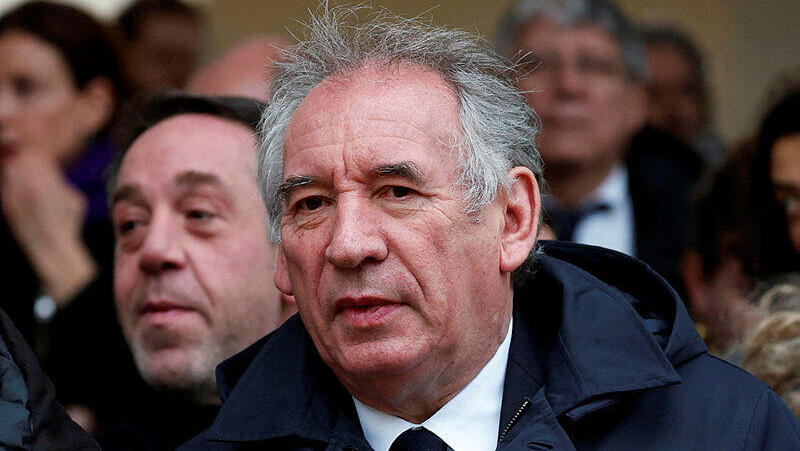
French Prime Minister Francois Bayrou
(Photo: Reuters Pool)
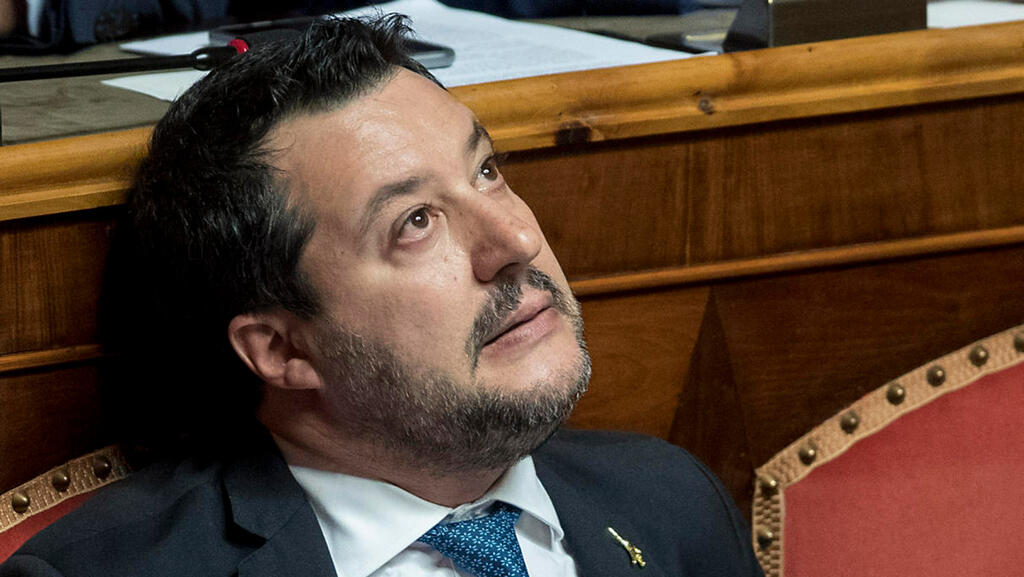
Matteo Salvini
(Photo: AP)

U.S. President Donald Trump
(Photo: Mandel NGAN / AFP)
Kushner also criticized Macron’s frequent statements on the Gaza war and Palestinian statehood, saying his actions “fuel violence, and endanger Jewish life in France.” France rejected the accusations, saying, “The sharp rise in antisemitism since October 7 is an intolerable reality that French authorities are fighting with full force.”
The Foreign Ministry summoned Kushner, denouncing his comments as interference in France’s internal affairs, though a U.S. State Department spokesperson, Thomas Pigott, told CNN that the U.S. stands by its ambassador’s statements.
At home, Macron faces mounting unrest over a looming budget crisis that could destabilize France, Europe’s third-largest economy. Social media campaigns, fueled by conspiracy groups, have rallied opposition parties, risking a repeat of the Yellow Vest protests.
The planned strike on September 10 reflects public anger over proposed tax hikes and cuts, with citizens pointing fingers at the wealthy elite. Internationally, Macron’s push for Palestinian statehood and criticism of Israel’s actions in Gaza have drawn ire from both the U.S. and Italy.
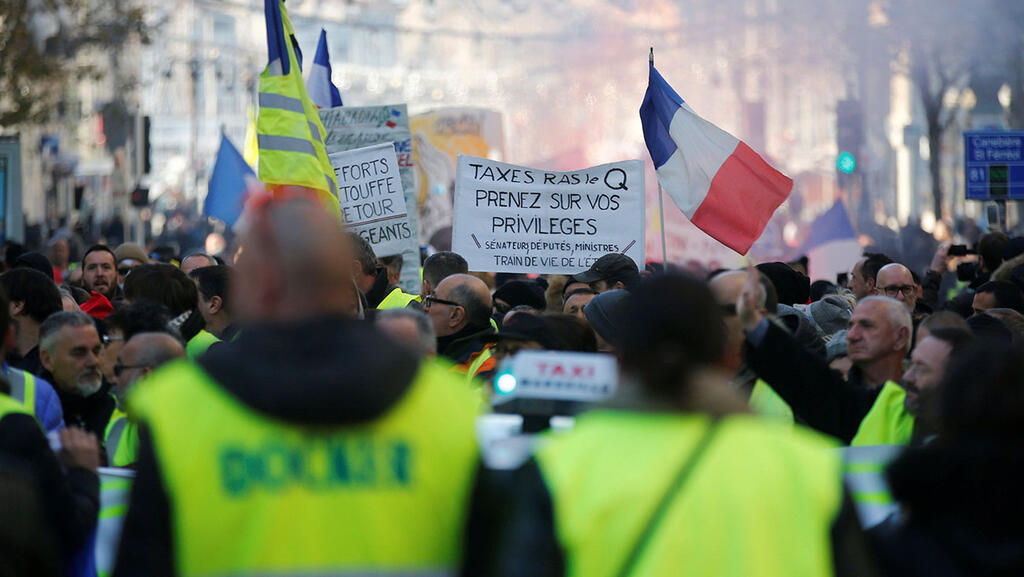
Protests in Paris
(Photo: Reuters)
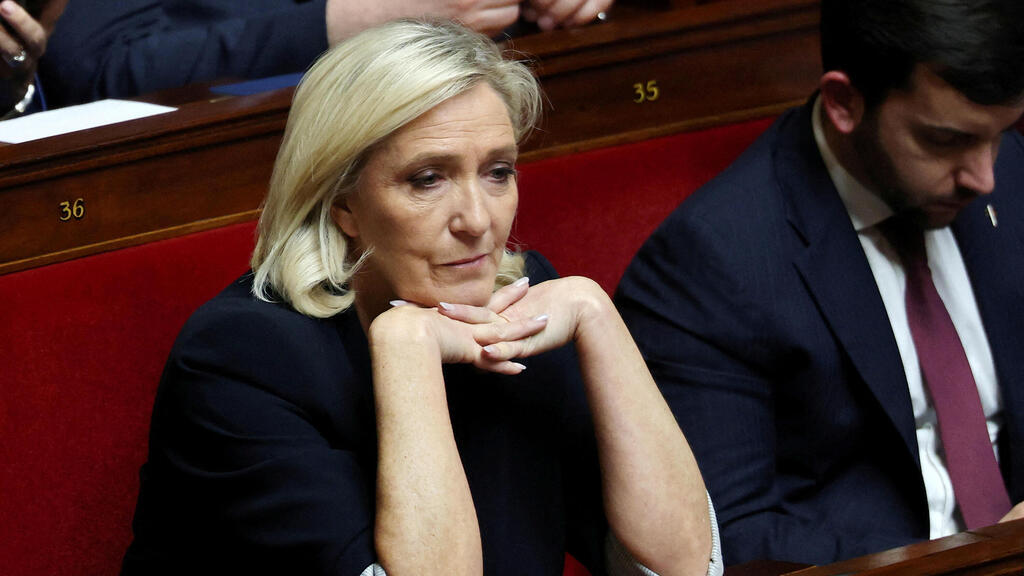
Marine Le Pen
(Photo: REUTERS/Gonzalo Fuentes)
On Monday, Macron posted on his X account, “I spoke with Qatar’s emir about the dire situation in Gaza. Starving Gaza’s population is a crime that must stop immediately. A permanent ceasefire, release of all hostages, massive humanitarian aid and a sustainable political solution including disarming Hamas are priorities.” He noted collaboration with Qatar ahead of a two-state solution conference in New York on September 22.
Macron’s focus on foreign policy, while significant for supporting Ukraine and addressing Gaza, risks alienating a domestic audience demanding solutions to economic woes. As protests loom and a no-confidence vote approaches, the French president’s leadership is under intense scrutiny both at home and abroad.