

With 417,000 votes, about 9% of all valid ballots, wasted in Israel’s previous election on parties that failed to cross the electoral threshold, the next three days could prove among the most consequential remaining before Israelis vote on October 27.
As Saturday ends, pressure is expected to intensify on candidates whose parties are polling below the 3.25% threshold, or hovering only narrowly above it, to merge with larger parties or withdraw altogether. Candidate lists for the 26th Knesset must be submitted by 10 p.m. Tuesday.
Gallery
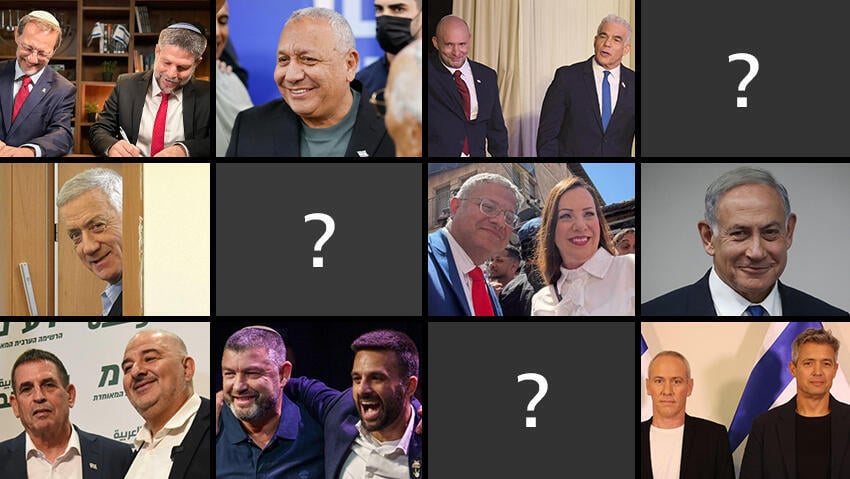
(Photo: REUTERS/Amir Cohen, Motti Kimchi, Shaul Golan, Alex Kolomoisky, Avihu Shapira, Shalev Shalom, AP Photo/Ariel Schalit)
Several questions that were open at the start of the week have already been answered. Others remain unresolved with barely 72 hours left: Who will Prime Minister Benjamin Netanyahu reserve places for on the Likud slate, and can he force another merger inside his bloc? Will Benny Gantz stay in the race or follow Gilad Erdan in withdrawing? What will Chili Tropper and Yoaz Hendel do with a party that has slipped below the threshold in recent polls? And what “surprises” is Gadi Eisenkot preparing?
Netanyahu’s goal: one more merger
The pressure campaign has already produced one significant result. Religious Zionism leader Bezalel Smotrich and Zehut chairman Moshe Feiglin announced this week that they would run together, after Smotrich spent much of the past year polling at no more than four seats while Feiglin remained far behind.
But for Netanyahu, who wants to avoid losing even a single right-wing vote as his bloc did in previous elections, that is not enough. He would also like to bring Brig. Gen. (res.) Ofer Winter, the newcomer leading Amcha Israel, into a broader joint slate.
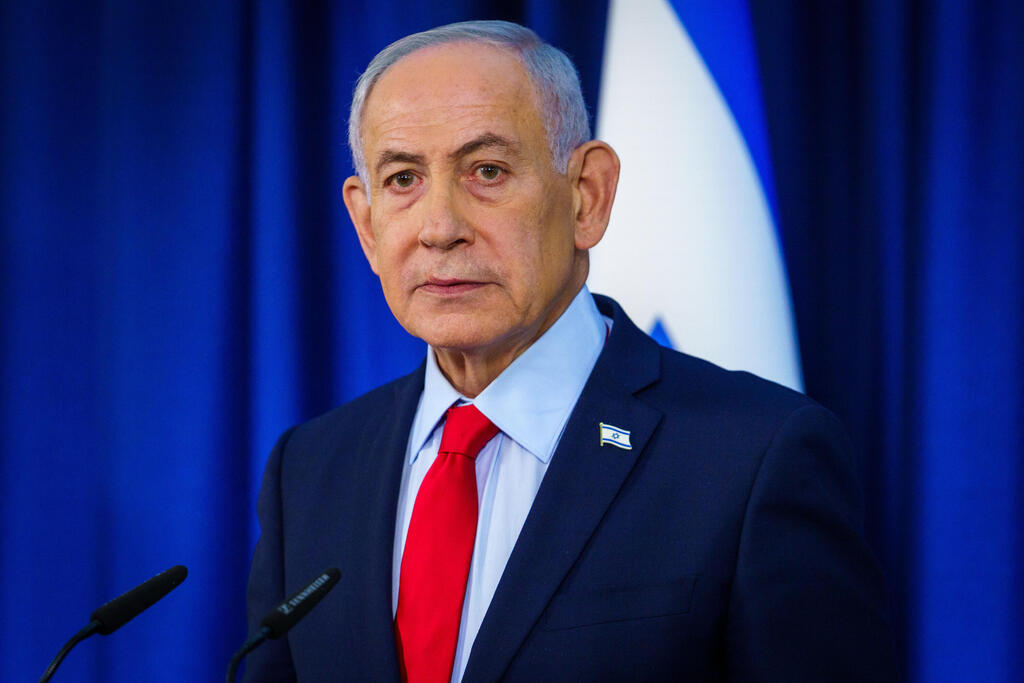
Prime Minister Benjamin Netanyahu
(Photo: Shalev Shalom)
Winter has again rejected merger proposals, including, according to several reports, offers of reserved places on the Likud list. He argues that only an entirely new political slate, without figures tied to the system that failed on October 7, can offer voters a genuine alternative.
That argument appears unlikely to persuade Netanyahu. Recent television polls have shown both the Smotrich-Feiglin alliance and Winter’s party above the electoral threshold, with each receiving between four and six seats.
Another player in Netanyahu’s bloc has already shut the door on a merger. Otzma Yehudit chairman Itamar Ben-Gvir said last week that he would neither unite with another party nor discuss such a move.
He has, however, solved one personnel problem for Netanyahu by taking Likud lawmaker Tally Gotliv into his party and placing her second on its Knesset slate. Ben-Gvir has also left open the possibility of adding May Golan, who fell to an unelectable position in the latest Likud primary.
Netanyahu must still decide how to use the slots reserved for his personal appointments on the Likud list. So far, the only outsider he has brought in is businessman Oren Dobronsky, known from the Israeli version of “Shark Tank.”
He may use one of the remaining slots to address the shortage of women in realistic positions on the Likud slate, particularly after Gotliv’s departure. Netanyahu has also explored bringing back former finance minister Moshe Kahlon as a candidate with a socioeconomic profile and could use reserved slots to promote established Likud figures who performed poorly in the primary.
Eisenkot promises ‘surprises’
The picture on the other side of the political divide may be even more complicated.
Gadi Eisenkot, the former IDF chief of staff who leads the Yashar! party and is currently the bloc’s leading candidate for prime minister in many polls, said Friday that political “surprises” were still coming before the filing deadline.
“I’m doing politics too,” Eisenkot told Yedioth Ahronoth and ynet military correspondent Yossi Yehoshua at a cultural event in Rishon Lezion.
“I’m talking to everyone. If I publicize it, it won’t be serious,” he said. “We’re preparing more surprises for the next three or four days. I’m convinced it will happen and hope it will happen for the good of the State of Israel.”
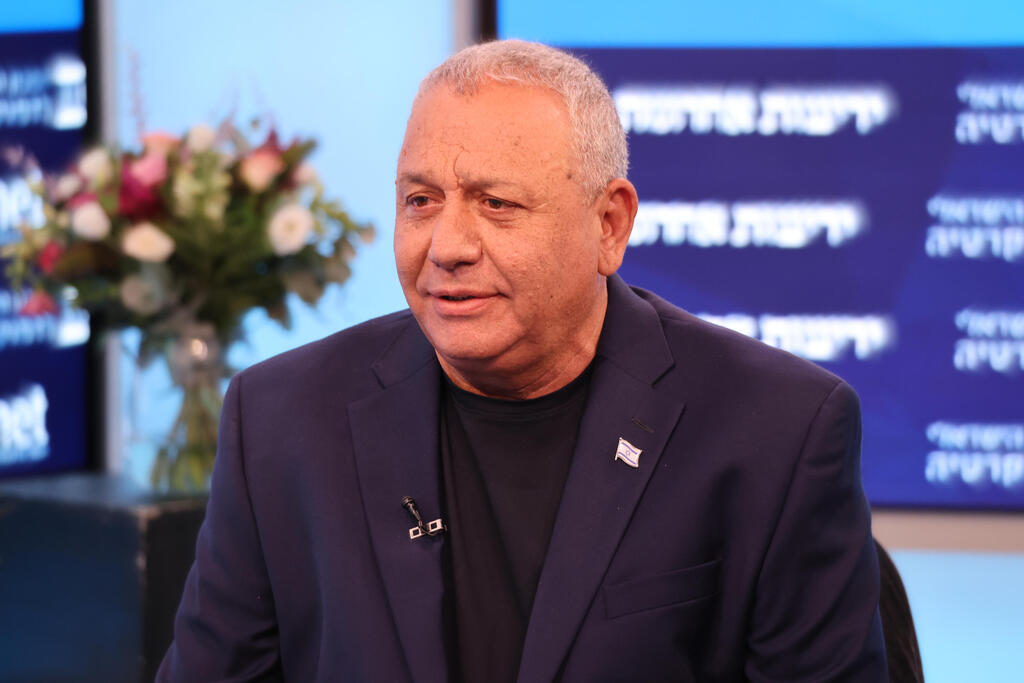
Gadi Eisenkot
(Photo: Yariv Katz)
One possibility repeatedly raised in recent days is a merger between Eisenkot and former prime minister Naftali Bennett. Neither has confirmed that such a deal is advancing, but neither ruled it out entirely when questioned this week at Ynet and Yedioth Ahronoth’s “Decision Time: Democracy and Society” conference.
“I’m convinced that a large merger in the bloc will prevent all the internal friendly fire,” Bennett said. “I said it a year ago, six months ago and I’m saying it now. I’m a great believer in this.”
Eisenkot said he was examining every option through one test: “What brings victory to the Zionist, statesmanlike coalition, and what makes it possible on the 28th to establish a sustainable government that knows how to lead the country through national consensus and unite it in the face of future challenges?”
Bennett’s party is also absorbing much of Yair Lapid’s Yesh Atid slate for this election. In recent days, a succession of veteran Yesh Atid lawmakers announced that they would not run, clearing limited available positions for younger figures including Merav Ben Ari, Naor Shiri, Meirav Cohen and Vladimir Beliak.
Lapid has rejected portrayals of the exits as a party collapse, saying the lawmakers stepped aside by agreement because the number of available slots was limited.
The trauma of 2022
The opposition to Netanyahu still carries the political memory of the 2022 election, when parties near the threshold failed to unite and large numbers of votes were effectively lost.
Meretz alone received 150,793 votes, 3.16% of valid ballots, missing the 3.25% threshold by just 0.09 percentage points.
This time, attention is focused on three major political players still in the race despite polling below the threshold.
Political sources believe Eisenkot and Bennett have both held talks with former minister Chili Tropper, chairman of Zionist Home, who recently joined forces with former minister Yoaz Hendel’s reservists movement.
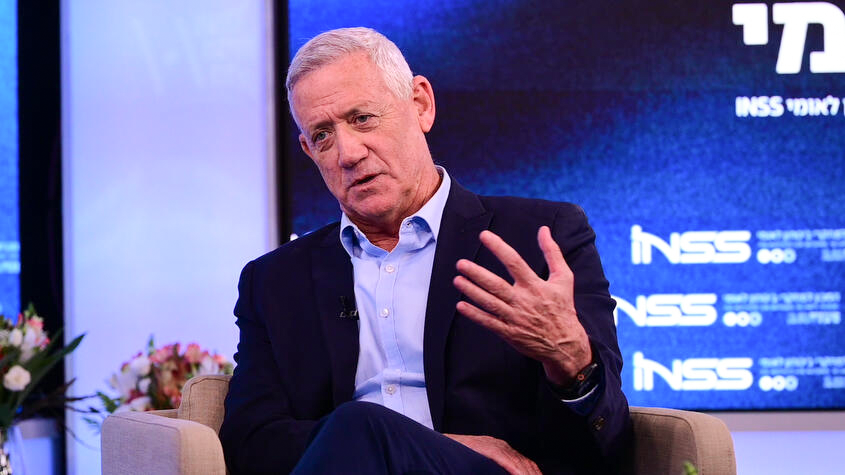
Benny Gantz
(Photo: Yuval Chen)
The Tropper-Hendel alliance crossed the threshold in many polls during its first weeks, but has fallen below it in most recent surveys, with support ranging from roughly 1.1% to 3%.
Benny Gantz is under even heavier pressure. Members of the broader anti-Netanyahu camp have made little secret of their desire for the former defense minister and IDF chief of staff, who led the bloc through much of Israel’s political turmoil since 2019, to withdraw.
Gantz’s Blue and White has spent an extended period below the electoral threshold. He has nevertheless continued to insist publicly that he intends to run, despite a wave of defections from his party and television polls placing him well short of the 3.25% required to enter the Knesset.
‘Leadership also means recognizing reality’
The first significant candidate to bow out was former UN ambassador and minister Gilad Erdan.
Shortly after negotiations with Gantz collapsed, Erdan announced that his Unity party, whose slate also included former Likud figures Yuli Edelstein and Aliza Bloch as well as Olympic medalist Oren Smadja, would not contest the election.
“Leadership also means recognizing reality as it is and acting responsibly,” Erdan wrote. “I believe we must ensure that our voters’ ballots influence the election result and are not wasted.”
“I am withdrawing the Unity party’s candidacy today, but not my public commitment or my path as a public servant,” he added. “I will continue to act in every way I can for the people, for IDF soldiers and for a better future in Israel.”
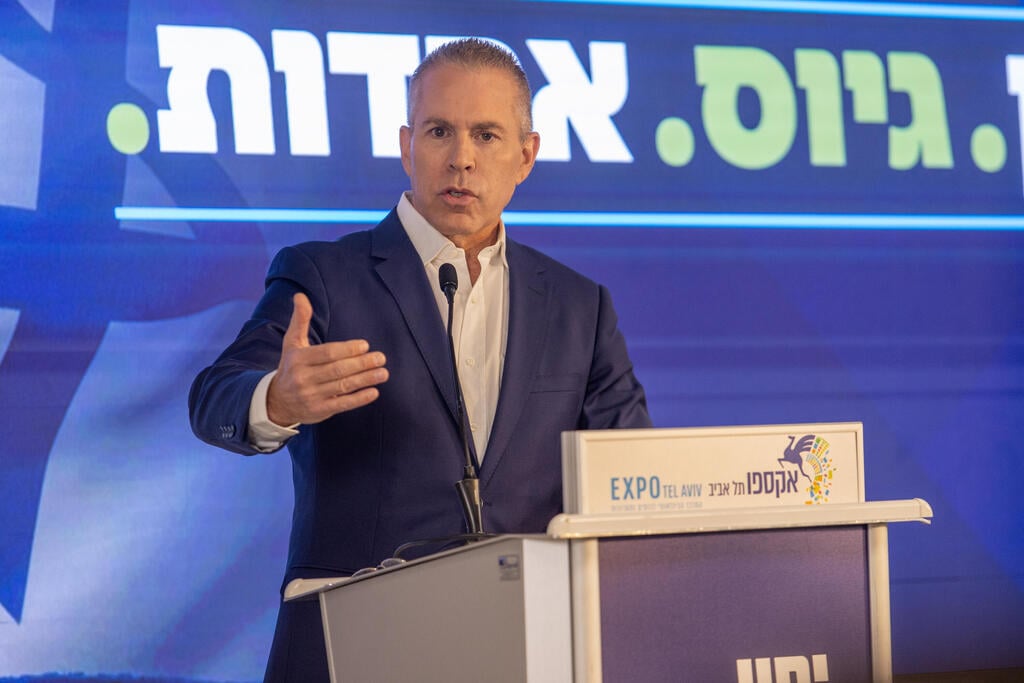
Gilad Erdan
(Photo: Ido Erez)
Erdan had left Likud and created his party as part of what became known as the “third bloc,” a collection of largely right-leaning figures who say they would not automatically deliver a majority to either Netanyahu or his opponents and would instead seek to force a broad coalition.
Eisenkot’s Yashar! welcomed Erdan’s withdrawal and issued a message widely interpreted as being aimed at Gantz as well: “Every party hovering around the electoral threshold should act with the same responsibility and put Israel’s interests before any other consideration.”
Blue and White responded that the responsible course after three years of war and prolonged political crisis was to form “a Zionist government spanning the political blocs” rather than one dependent on Arab or ultra-Orthodox parties.
And then there are the tiny parties
A considerable number of smaller parties are also expected to submit lists despite barely registering in polls, if they appear in them at all.
That is nothing new in Israeli elections.
In 2022, 14 lists received fewer than 1,000 valid votes each. Among them was singer Benny Elbaz’s Koach Lehashpia party, which received just 153 votes. Nine additional parties each received fewer than 2,000.
Hadar Muchtar’s Youth on Fire received about 8,800 votes. Economist Yaron Zelekha’s Economic Party received just under 14,000, while other small parties received totals ranging from around 14,700 to 15,800. Ayelet Shaked’s Jewish Home won 56,775 votes but also failed to cross the threshold.
Balad came closest after Meretz, with more than 138,000 votes.
Unlike in 2022, Balad is now running together with Hadash and Ta’al on a single slate. Ra’am will run separately and this week made a historic addition by placing a Jewish candidate, former deputy public security minister Yoav Segalovich, on its list alongside party chairman Mansour Abbas.
By Tuesday night, many of these calculations will be over. Until then, every merger, withdrawal and reserved slot could determine whether tens or even hundreds of thousands of votes translate into Knesset seats or disappear below the threshold.