


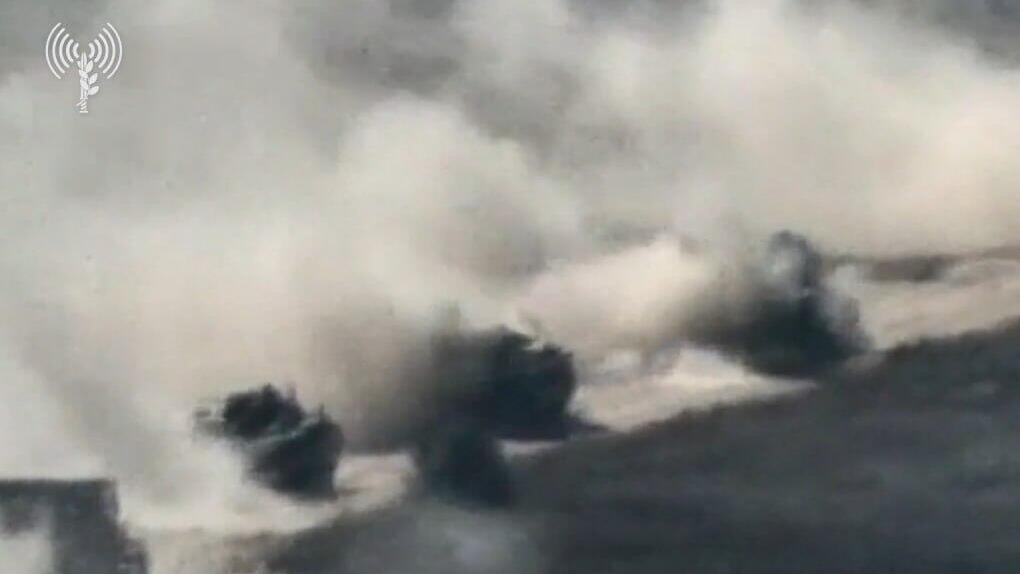
After an 18-month operational lull in ground operations in the area, IDF tanks advanced into central Gaza City overnight, with Merkava tanks crossing a crowded high-rise street, damaged but intact.
Moments before the tanks risked encountering a massive explosive trap at a street junction, an Apache helicopter intervened. Brig. Gen. G., head of the Israeli Air Force’s Border Defense Unit, told Ynet, “Everything went up in the air, and we immediately bombed the area to ensure no terrorist dared approach or attack the tanks.”
Air force strikes against Hamas in Gaza City
(Video: IDF Spokesperson's Unit)


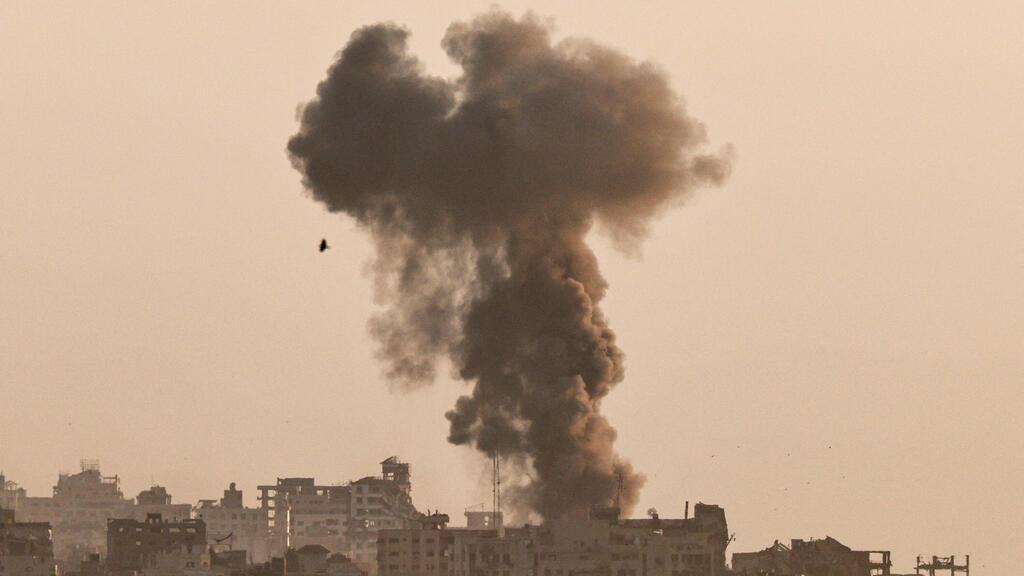
IDF airstikes in Gaza
(Photo: REUTERS/Amir Cohen)
He highlighted the challenge of operating near hostages, noting, “The biggest challenge will be doing this with hostages in the area.” Of about 100 airstrikes in the operation’s first 12 hours, dozens targeted explosive traps identified overnight, many hidden in rubble, high-rise floors or walls, camouflaged to evade detection.
Hamas repurposed abandoned IDF ammunition crates, filling them with cement and powerful explosives, often powered by seemingly innocent solar panels. Hamas has adapted, using hidden cameras for remote detonation and focusing on explosive traps due to depleted anti-tank missiles and sniper ammunition stocks.
Many explosives were scavenged from unexploded IDF munitions, including 107mm mortars and large air force bombs. The IDF estimates Hamas aims to kidnap a soldier early in the operation to boost the morale of its roughly 2,500 remaining fighters in the city, with others fleeing south to displaced persons’ camps in Al-Mawasi.
The ground operations of Operation Gideon’s Chariots II saw minimal initial resistance due to the IDF’s forceful entry into western Gaza City. Unlike the first operation, where troops hesitated to dismount armored vehicles, this time, the infantry moved on foot from the start.
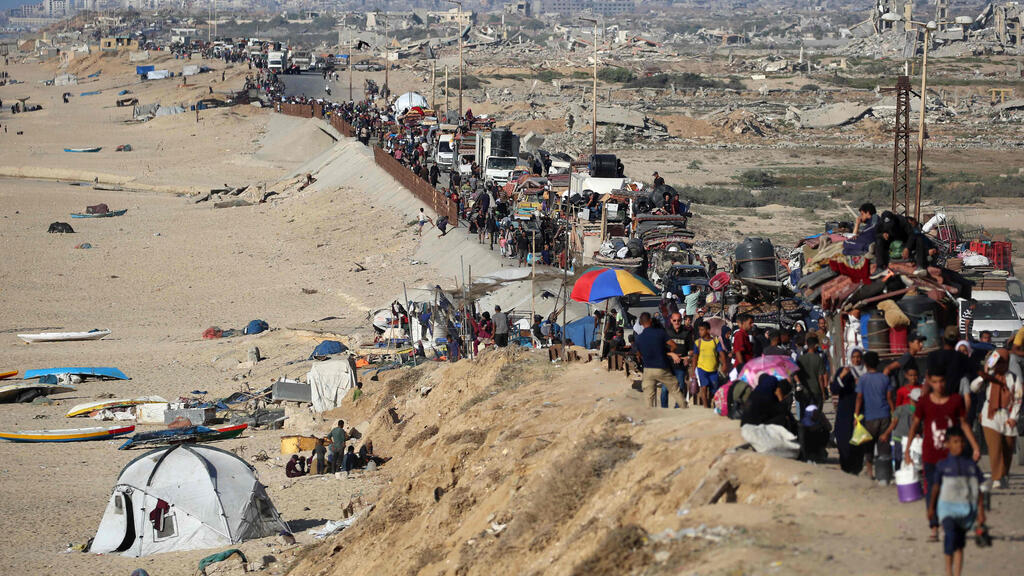
Gazans leaving Gaza City
(Photo: Eyad BABA / AFP)
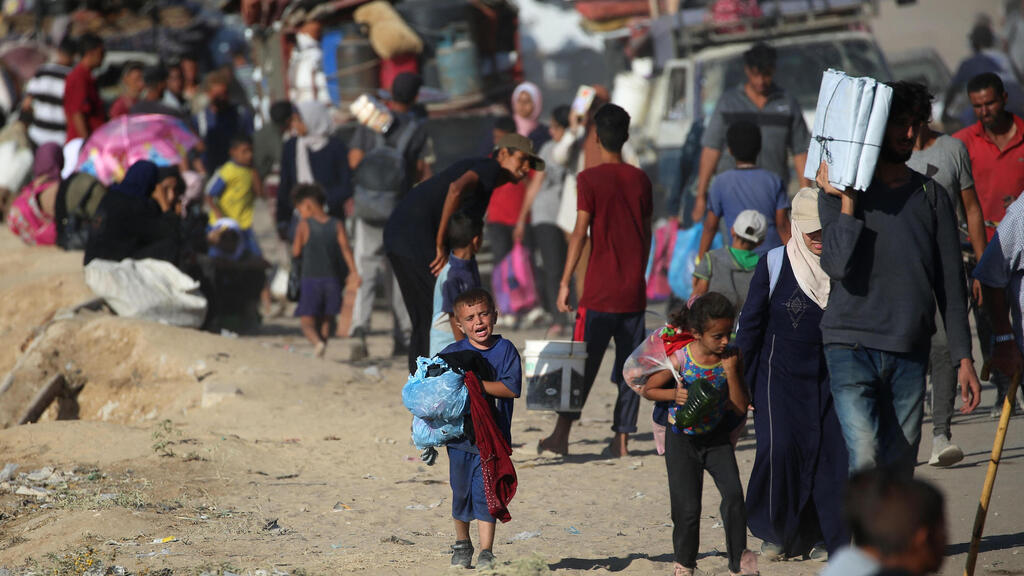
(Photo: Eyad BABA / AFP)
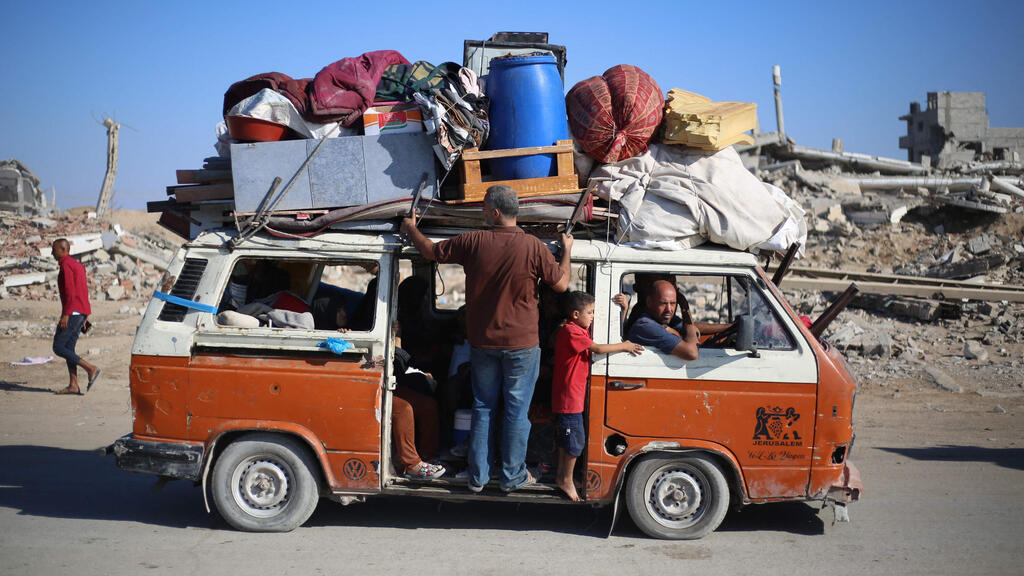
(Photo: Eyad BABA / AFP)
Hamas is expected to wait in tunnels and shafts before launching guerrilla attacks. “We’re 10 days into Operation Gideon’s Chariots II, in the fire strikes phase, targeting terror infrastructure with over 800 strikes in under two weeks,” conducted by drones and jets operating round-the-clock, according to Brig. Gen. G.
The air force refined a “wake-up call” tactic, replacing “roof knocking,” using small munitions to create loud blasts with minimal damage to urge civilians to flee. Despite this, around 500,000 people remain in Gaza City, with many expected to move toward Deir al-Balah, some carrying white flags.
The IDF reported Hamas uses violence to prevent civilian evacuations, though these efforts are failing. The operation aims to dismantle Hamas’s Gaza City brigade by January, though it may extend longer with a methodical approach.
Hundreds of reservists secure Khan Younis, Rafah’s Philadelphi Corridor and defensive positions, supported by intensified airstrikes to counter Hamas’s evolving tactics while prioritizing hostage safety.