

Russians began voting Friday in a three-day parliamentary election expected to preserve the Kremlin’s dominance of the State Duma, with President Vladimir Putin’s United Russia facing little meaningful opposition after major anti-Kremlin forces were kept off the national ballot.
The election, Russia’s first parliamentary vote since the full-scale invasion of Ukraine in 2022, runs through Sunday. About 111 million people are eligible to vote, and electronic voting is being used alongside traditional polling stations.
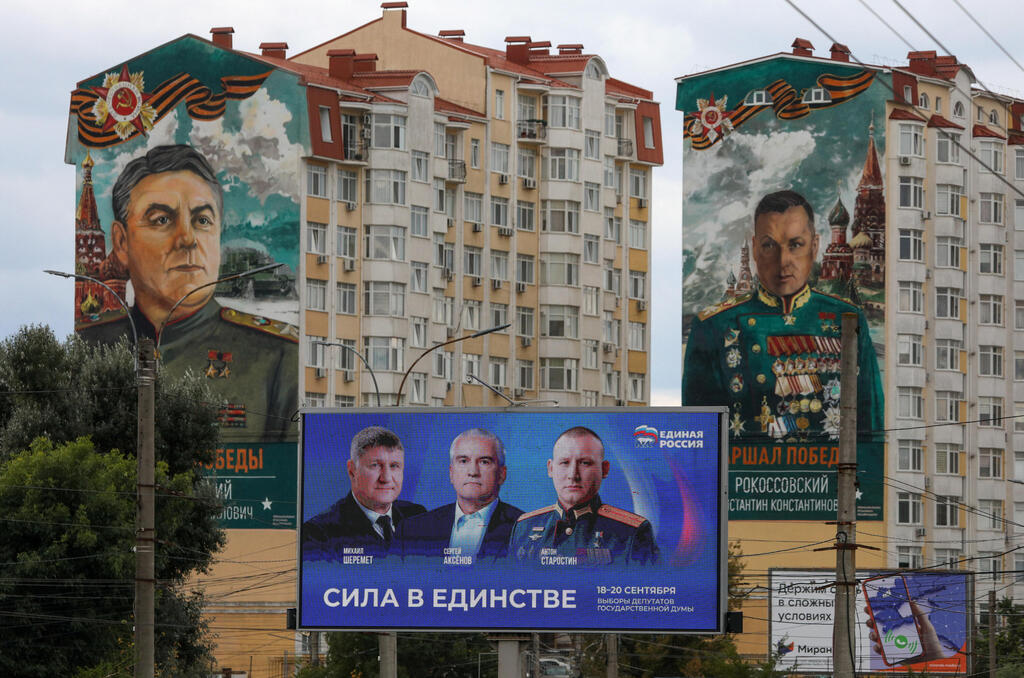
United Russia, which won more than two-thirds of the Duma’s seats in 2021, is again expected to remain the dominant party. Its federal list is led by Foreign Minister Sergey Lavrov, Moscow Mayor Sergei Sobyanin and war correspondent Yevgeny Poddubny, who was seriously wounded in a Ukrainian drone strike.
But even before voting ends, the carefully managed political exercise has produced a string of unusual incidents and disputed figures.
Record online voting, empty polling stations
Russian authorities strongly promoted electronic voting ahead of the election, and Putin himself cast his ballot online from the Kremlin on Friday.
According to the independent Russian outlet Meduza, however, access from abroad to Gosuslugi, the government services portal required to log in for electronic voting, stopped working several days before the election. That affected Russians living outside the country who hoped to vote remotely.
Meduza also reported that by noon Friday, the number of online voters in Moscow was about 100 times higher than at the same point during the 2021 Duma election, while official figures showed zero turnout at physical polling stations in the capital at that hour.
By late Friday, Russia’s Central Election Commission said overall turnout had reached roughly 30%, including electronic ballots.
Another detail from Putin’s own online vote drew attention on Russian social media: footage released by the Kremlin appeared to show an “Activate Windows” watermark on his computer screen, indicating that the operating system had not been activated. Russian media outlets reported the detail after viewers noticed it in the footage.
More than a million early votes in occupied Donetsk
Some of the most striking numbers came from Russian-occupied parts of Ukraine.
Meduza reported that authorities in the self-proclaimed Donetsk People’s Republic claimed roughly 75% of eligible voters, more than one million people, had already cast ballots during early voting between Aug. 30 and Sept. 17. The outlet described the figure as implausibly high.
Voting is also being conducted in other Ukrainian territories occupied and claimed by Russia, a practice rejected as illegitimate by Ukraine and the European Union.
Observers blocked, vodka offered
Reports of irregularities also emerged from polling stations around the country.
Meduza said nearly 1,300 observers representing the Communist Party and the liberal Yabloko party were barred from polling stations in various Russian regions.
In Ufa, observers were reportedly offered vodka. Drinking alcohol at a polling station would provide grounds for their removal, according to the report. In Chuvashia, observers were allegedly offered bribes to stay away from polling places altogether.
In Yakutsk, teachers were reportedly required to provide regular updates on whether the parents of their students had voted, while kindergartens elsewhere organized visits to polling stations that authorities described as civic education.
Authorities restrict iodine sales
In Tyumen, police recommended that pharmacies restrict bulk sales of iodine and brilliant green antiseptic during the election.
The unusual measure followed incidents during Russia’s 2024 presidential election in which people poured dyes and other substances into ballot boxes. Local pharmacists said they had been advised not to sell large quantities of staining products between Sept. 18 and 20.
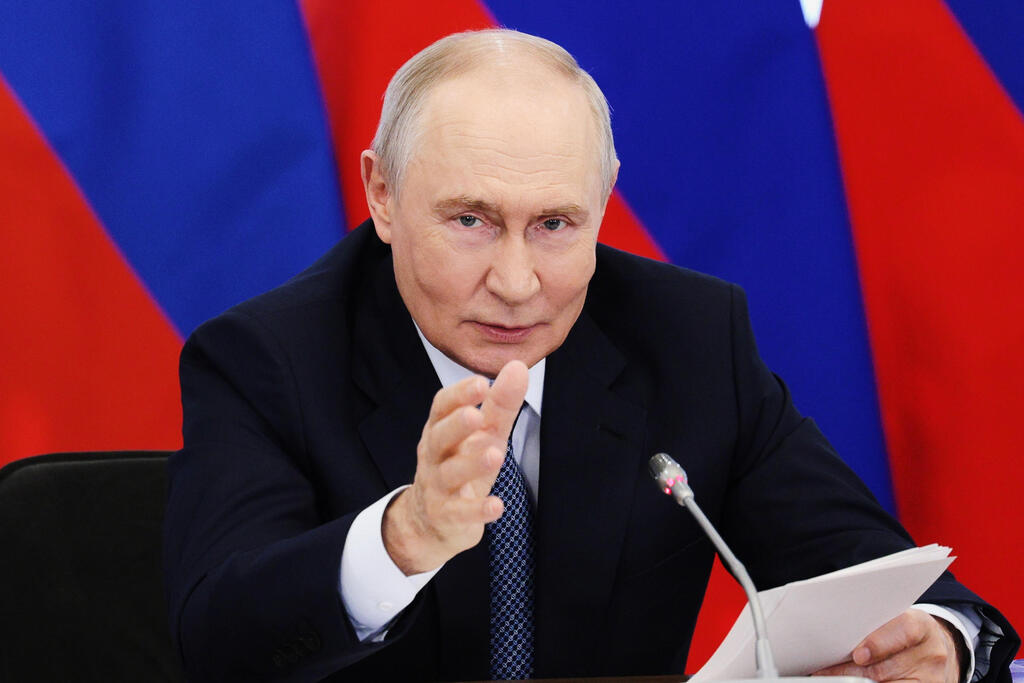
Russian President Vladimir Putin
(Photo: Gavriil Grigorov, Sputnik, Kremlin Pool Photo via AP, File)
Elsewhere, election officials encountered a more basic problem.
In one district in the Kirov region, voting for the regional legislature was postponed until 2027 after officials discovered that two registered candidates had simply been omitted from the ballot. The regional election commission called it a “technical error.”
United Russia set to remain dominant
The broader outcome of the parliamentary election is not expected to threaten United Russia’s hold on the Duma.
Russia’s political system includes several so-called systemic opposition parties, including the Communists, the Liberal Democratic Party, A Just Russia and New People, but these parties broadly support key Kremlin policies, including the war in Ukraine.
Yabloko, the only registered party openly opposed to the war, was removed from the national party-list ballot by Russia’s Supreme Court in August, though some of its candidates remain in individual district races.
United Russia has dominated the Duma throughout most of Putin’s rule and won more than two-thirds of its seats in the 2021 election. The 2026 vote is widely expected to preserve that dominance, even as Russia faces a slowing economy, falling living standards and continued strains from the war.