

Iran still retains an arsenal of thousands of ballistic missiles despite 40 days of heavy U.S. and Israeli bombardment, the Wall Street Journal reported late Friday, with American officials saying Tehran could still bring launchers out of underground storage sites and potentially use the ceasefire to rebuild part of its missile force.
According to U.S. and Israeli officials cited in the report, more than half of Iran’s missile launchers have been destroyed, damaged or trapped underground, but some of the remaining launchers may be repairable or recoverable from underground complexes.
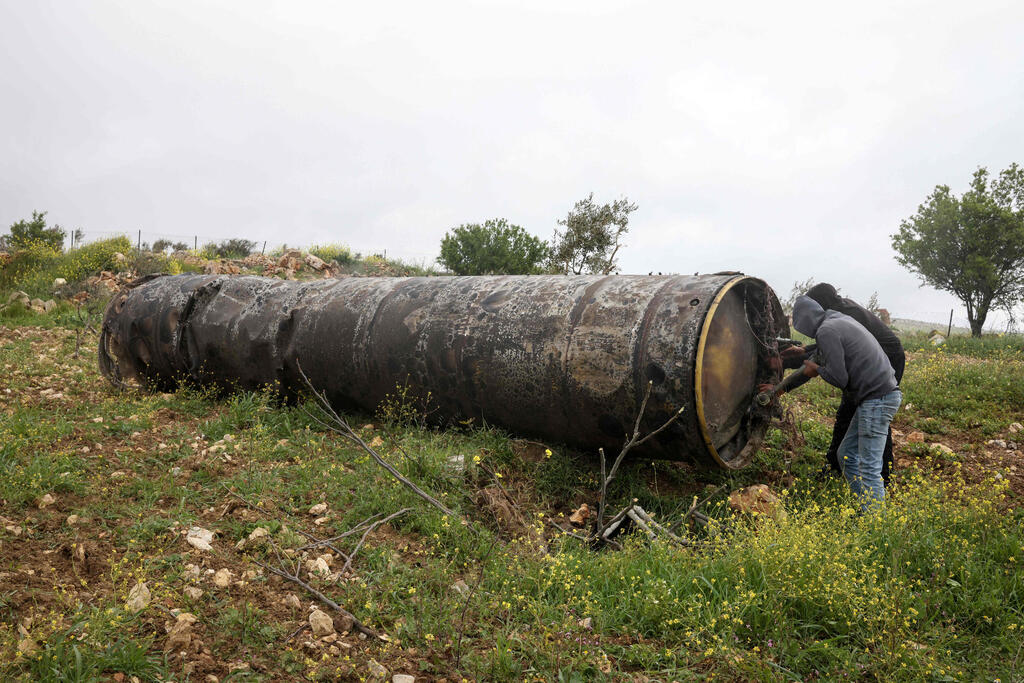
The report said Iran’s missile stockpile was also cut by about half during the war, but that it still holds more than 1,000 medium-range ballistic missiles out of roughly 2,500 it had at the start of the conflict, along with additional short-range missiles that could be pulled from hidden or underground sites.
Israeli officials said about two-thirds of Iran’s ballistic missile launchers were now out of service, though many of those buried by strikes could still be extracted.
U.S. officials also told the Journal that Iran has far fewer than half the one-way attack drones it had when the war began after using many of them in combat and after U.S. and Israeli strikes hit weapons production sites. Still, the report said Iran could potentially replenish similar systems with help from Russia. Officials added that Tehran also retains a small stock of cruise missiles that could be used against shipping in the Persian Gulf or against U.S. forces if talks fail and fighting resumes.
Earlier this week, Secretary of War Pete Hegseth said Iran’s missile program had been “functionally destroyed,” arguing that its launchers and missiles had been reduced, destroyed and rendered nearly useless.

US Secretary of War Pete Hegseth
(Photo: REUTERS/Evan Vucci)
But experts cited by the Journal said Iran is unlikely to restore its missile and drone arsenal to prewar levels soon because of the damage done to its military industry, even if some officials in Washington believe it could still operate part of its ballistic missile force.
The report noted that the campaign had focused on airstrikes rather than a ground operation, limiting the ability to fully neutralize deeply buried sites.
A spokesperson for U.S. Central Command declined to comment directly on the report, referring instead to public statements by senior U.S. military officials on the scale of the campaign.
Joint Chiefs Chairman Gen. Dan Caine said this week that the strikes had destroyed Iran’s defense industrial base. He said the United States had dropped more than 13,000 munitions and hit missile and drone storage sites, Iran’s navy and the country’s defense industry in an effort to ensure Tehran could not rebuild its ability to project power beyond its borders.
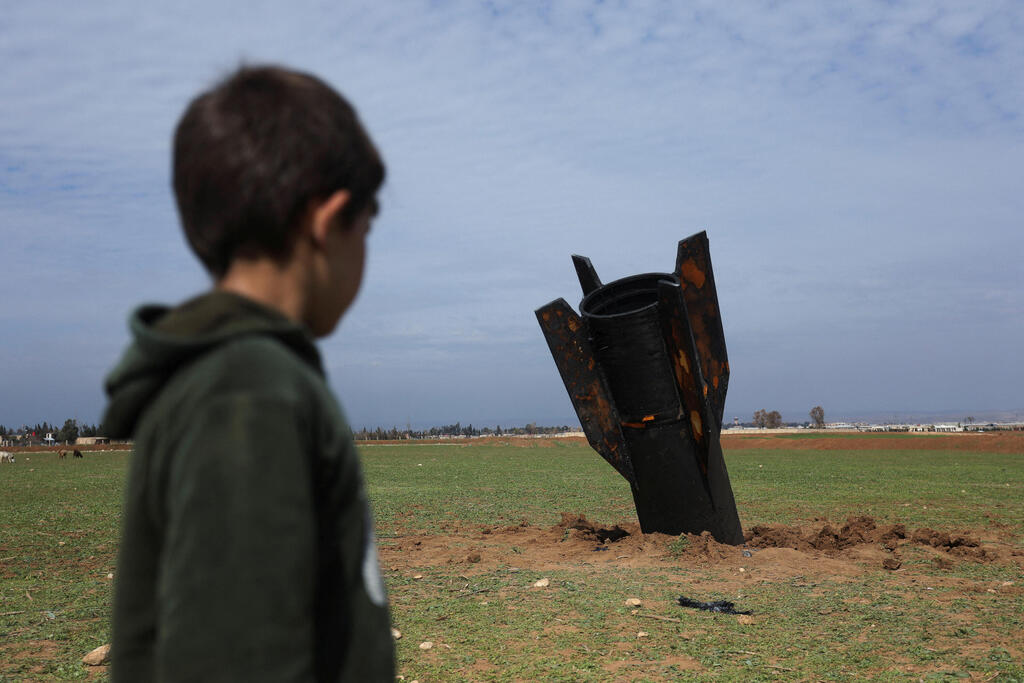
Iranian missile fragment in Syria
(Photo: REUTERS/Orhan Qereman)
White House spokeswoman Anna Kelly said the U.S. military had achieved all of its objectives and that the campaign had given Vice President JD Vance and other American negotiators maximum leverage in efforts to end threats to U.S. forces and the homeland.
Israeli officials cited by the Journal said Iran cannot currently manufacture more missiles, and that the pace of any recovery would depend in part on what assistance it receives from Russia or China. The report added that limiting Iran’s future military capabilities will depend not only on the threat of further U.S. and Israeli strikes but also on sanctions, even as Tehran has made the lifting of primary and secondary sanctions a key demand in the talks.
Meanwhile, ahead of talks scheduled to begin later Saturday in Islamabad, The Washington Post reported that the Trump administration plans to ask Iran to release Americans detained there. The newspaper, citing people briefed on the plans, said it remained unclear how aggressively U.S. negotiators would press the issue if the broader negotiations prove difficult.
The report said there are believed to be at least six Americans in detention in Iran, and that relatives hope they could be freed as a goodwill gesture even if they were originally taken as leverage for future negotiations with Washington. A U.S. government plane carrying senior American officials had already landed in Islamabad for the talks.