

Forty-seven new incoming lawmakers will be sworn in to the 26th Knesset on November 10. Some remain largely unknown to the public, but they could soon become prominent figures in national politics.
Among the newcomers are a former legal researcher at the Kohelet Policy Forum who is expected to continue the right's campaign to reform the judiciary, a former Shin Bet chief seen as a potential national security minister and a behind-the-scenes political operative who compared sanctions against ultra-Orthodox draft evaders to the Holocaust.
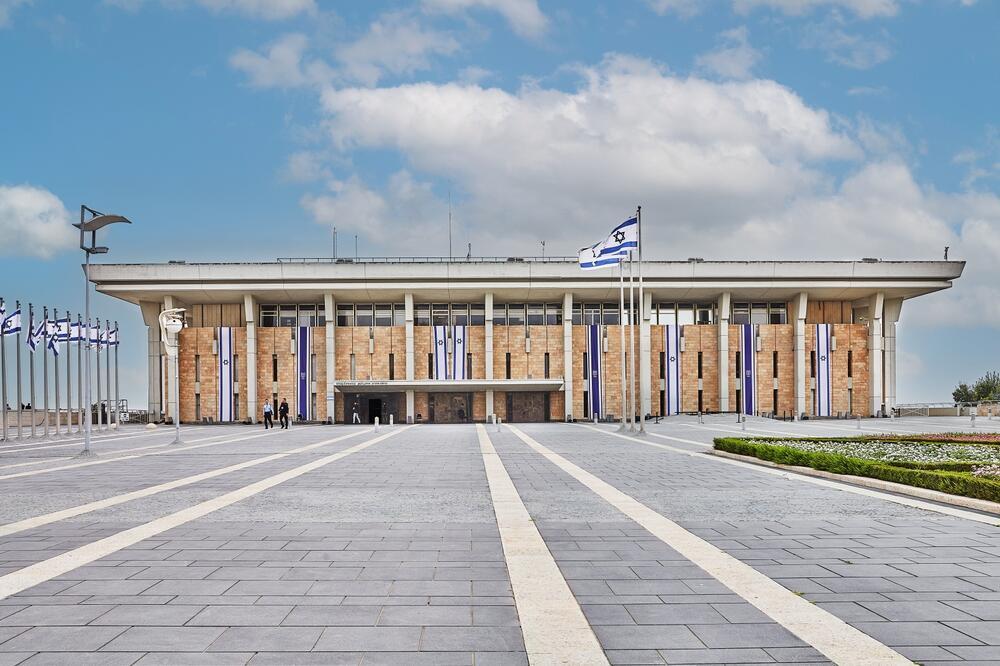
These are some of the new lawmakers-elect worth knowing.
David Peter, Likud
David Peter is a lawyer and former researcher at the conservative Kohelet Policy Forum, continuing a trend of right-wing figures who have risen to prominence in recent years through the campaign for changes to the judicial system.
In recent years, Peter has represented the government, Prime Minister Benjamin Netanyahu and Cabinet ministers before the Supreme Court. He became known for his theatrical courtroom appearances and confrontations with Supreme Court justices.
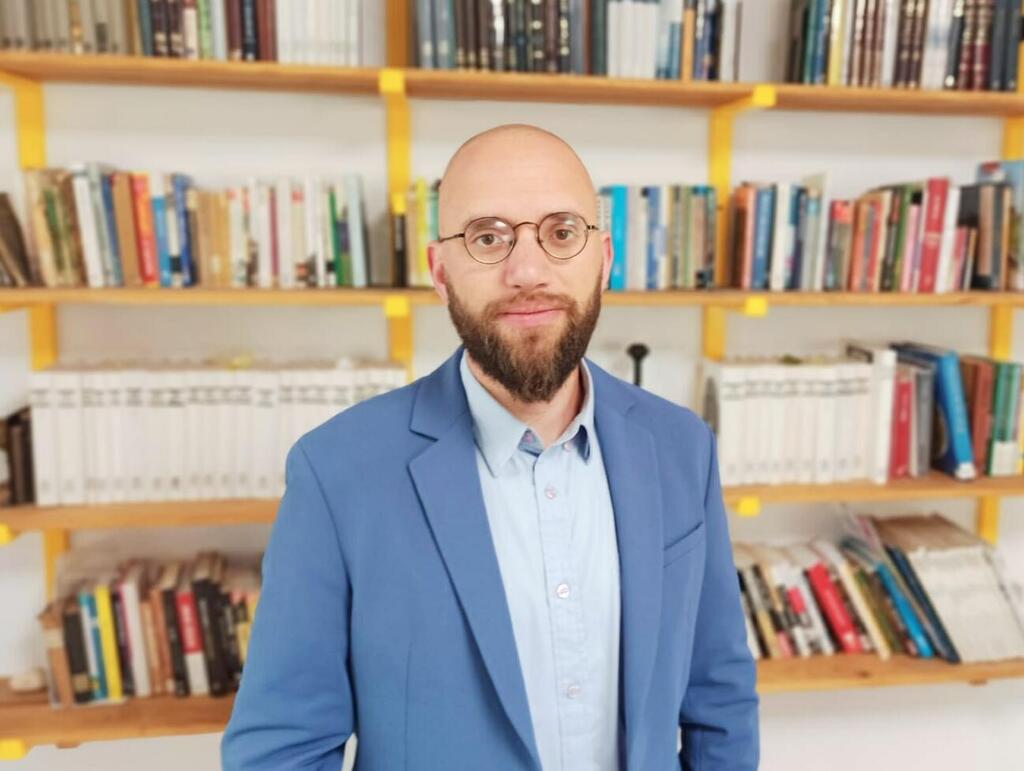
David Peter
(Photo: Courtesy of Kohelet Policy Forum)
Peter also served as a panelist on the right-wing Channel 14 television network. He joins other members of Netanyahu's political bloc who have taken a confrontational stance toward the judiciary.
He is expected to play a prominent role on parliamentary committees.
The new lawmaker sparked controversy when he appeared on Channel 14 to discuss Netanyahu's achievements during the war and claimed, among other things, that "all the hostages returned alive."
Attorney Talik Gvili, Likud
Talik Gvili is the mother of the late police officer Ran "Rani" Gvili, who became one of the most recognizable figures in the campaign to bring home the hostages held in Gaza following the Oct. 7, 2023, Hamas-led attack.
Her son was the last hostage remaining in the Gaza Strip before his remains were recovered as part of Operation Brave Heart.
Talik Gvili
(Photo: Dana Kopel)
Before choosing Likud, Gvili was courted by several political figures, including Benny Gantz, Dedy Simhi and Yoaz Hendel, who sought to recruit her to their electoral lists.
Asked what she hoped to advance in the Knesset, Gvili said her first priority was ensuring the formation of a right-wing government.
"First and foremost, to make sure a national government is formed here, not a government that cooperates with supporters of terrorism," she said. "It is also important to me to look after the families of those affected by Oct. 7, as well as our police officers and security forces, including through my work in the Knesset."
Gvili said she was "very excited" about becoming a lawmaker.
"I hope to do the best I can for the people of Israel," she said. "I hope a national government is formed that will complete the mission against our enemies."
Maj. (res.) Dror David Amos, Shas
Dror David Amos, a reserve major, served in the Israel Defense Forces for more than 25 years in the Logistics Corps, holding a series of management and command positions.
He joined the ultra-Orthodox Shas party's Knesset list amid criticism of the party's efforts to advance legislation that would exempt young ultra-Orthodox men from military service.
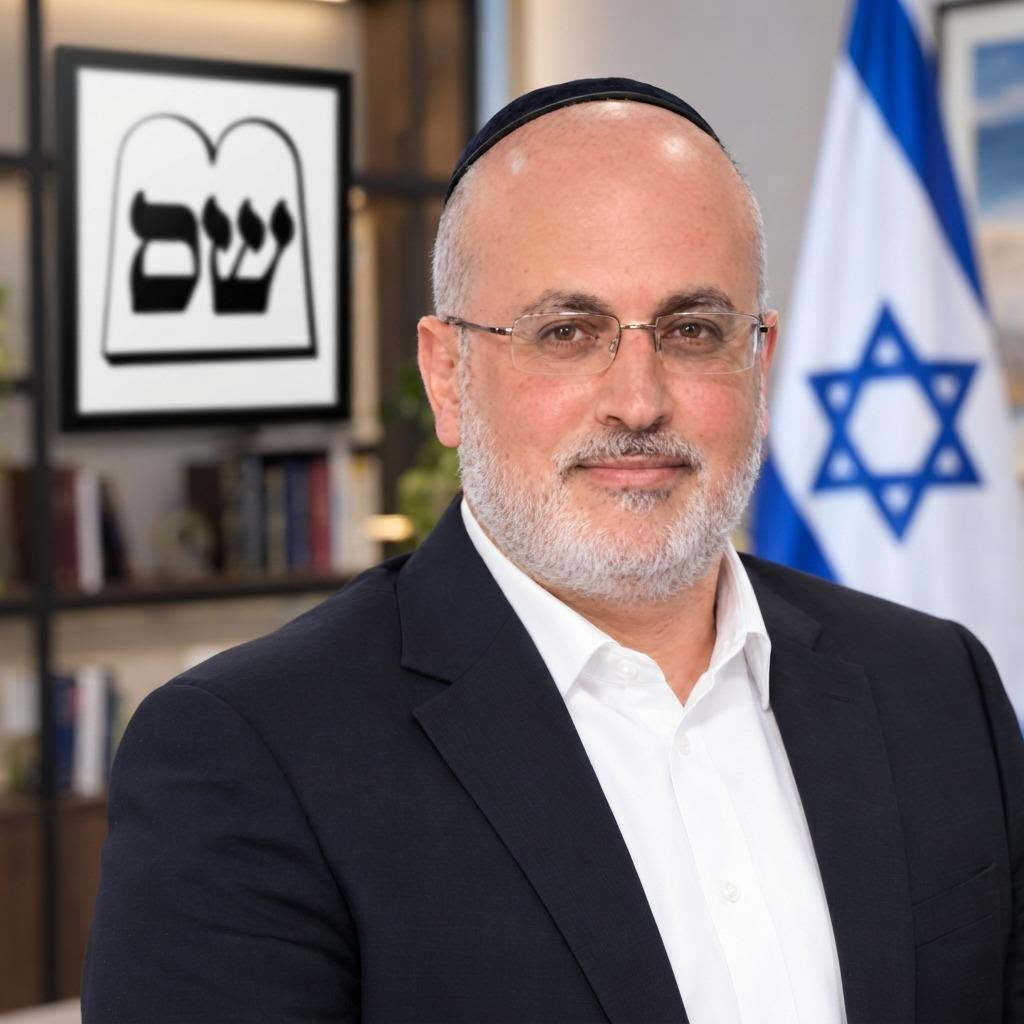
Maj. (res.) Dror David Amos
After retiring from the IDF, Amos continued his public and community work. He founded and chaired Chesed Chaim Ve'Emet, a nonprofit organization that supports bereaved families.
For the past year and a half, he served as chairman of Haifa's religious council, where he led changes to the city's religious services.
Following the Oct. 7 massacre, his organization, working with the Achim LaOref nonprofit, provided assistance to more than 800 bereaved families.
Amos also established the "Kaddish for Every Holy Soul" initiative, recruiting approximately 1,000 volunteers to recite the Jewish mourner's prayer during the year of mourning for those killed.
Ibrahim al-Turi, Ra'am
Ibrahim al-Turi, a pharmacist from the Bedouin city of Rahat in southern Israel, was elected to the 26th Knesset after securing the seventh position on the list of Ra'am, the United Arab List, as its Bedouin representative.
A longtime party activist, al-Turi is closely associated with Ra'am's work among Bedouin communities in the Negev.
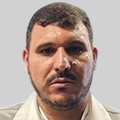
Ibrahim al-Turi
In parliament, he is expected to focus on the most pressing issues facing his community, including housing shortages, unrecognized Bedouin villages, home demolitions and crime.
In the previous election, al-Turi was placed 73rd on the party's list. This time, he secured a position high enough to win a seat.
During the campaign, he made Rahat's housing crisis a central priority, saying the city needs approximately 8,000 additional housing units.
He stressed that advancing a solution would require Ra'am to join the governing coalition.
Al-Turi could become one of the party's leading voices in the new Knesset.
Eliakim Stark, United Torah Judaism
Eliakim Stark generated controversy even before entering the Knesset when he compared sanctions against ultra-Orthodox men who evade military service to the Holocaust. He has since apologized for the comparison.
Stark was placed on United Torah Judaism's electoral list as a representative of the Belz Hasidic community.
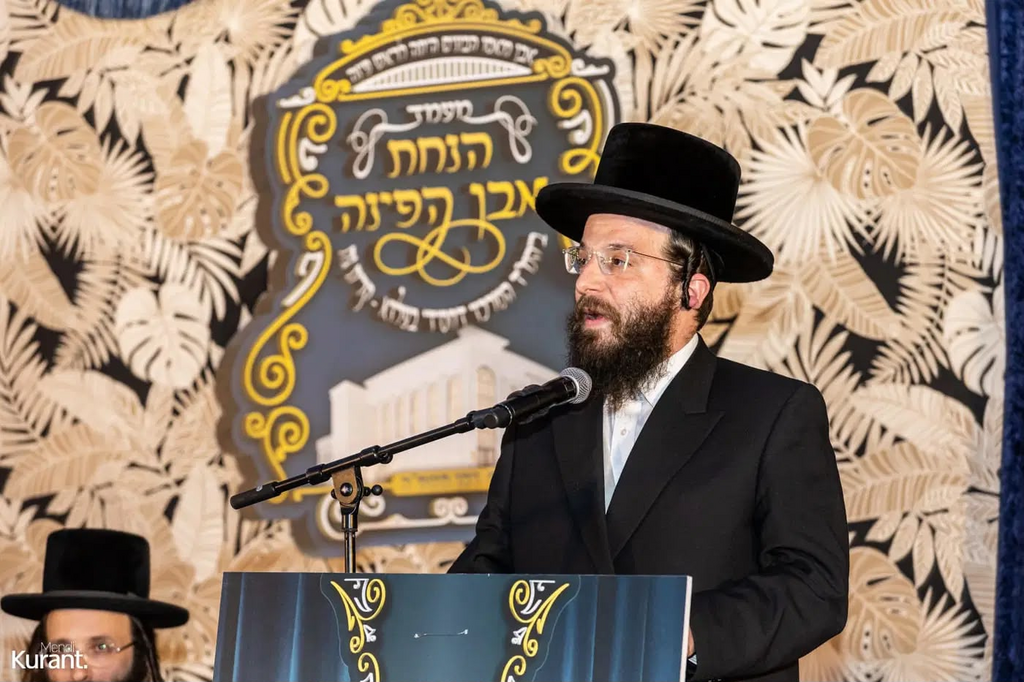
Eliakim Stark
(Photo: Anschil Beck)
In recent years, he served as a liaison between the Hasidic movement and Netanyahu's office.
Although well known in political circles and among leading rabbis, Stark operated largely behind the scenes for years, avoiding publicity, interviews and even photographs of his meetings whenever possible.
Born in Belgium, Stark was asked several years ago by the Belz rebbe, the movement's spiritual leader, to enter public life.
Working alongside veteran community representatives, he helped establish a committee to coordinate and advance the movement's interests in politics and public affairs.
During the election campaign, he was photographed meeting mainly with younger voters, sometimes in unconventional locations, including zoos and amusement parks.
Bakr Awawdeh, Joint List
Bakr Awawdeh, a resident of Kafr Kanna and a representative of the Arab nationalist Balad party within the Joint List alliance, enters the Knesset with extensive experience in public and organizational affairs but no previous parliamentary experience.
Awawdeh previously served as director-general of the Galilee Society for Health Research and Services, managed a center combating racism and worked as an organizational adviser to local authorities.
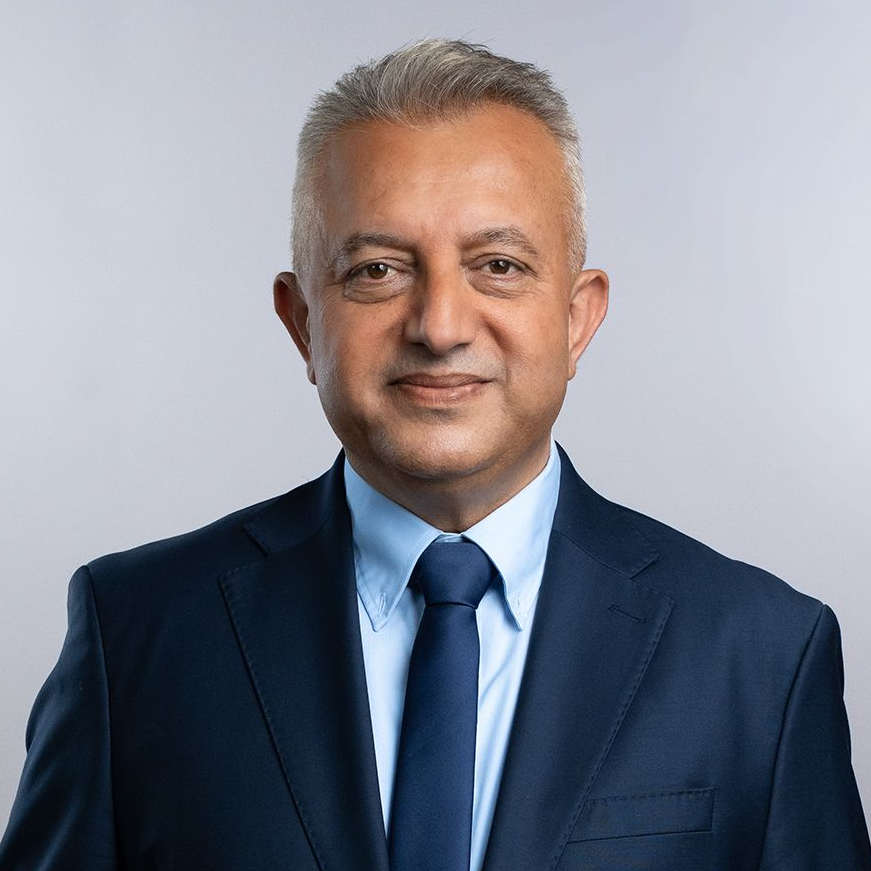
Bakr Awawdeh
(Photo: Joint List)
He has been active in Balad since 1996.
Since securing a Knesset seat, he has attracted attention for his forceful statements about coalition negotiations.
In an interview with Jordanian media, Awawdeh criticized the conditions imposed by Gadi Eisenkot, leader of the Yashar! party, for cooperation with Arab parties. He made clear that the Joint List did not intend to accept those conditions as presented.
As a member of Balad, which advocates a strongly Palestinian national political agenda, Awawdeh is expected to become a prominent voice in debates over political compromise and potential cooperation with Zionist parties.
Elisha Medan, Likud
Elisha Medan may be the most surprising addition to the Knesset's largest party.
A reserve soldier, Medan was critically wounded during an IDF operation in Beit Hanoun in the Gaza Strip, losing both legs.
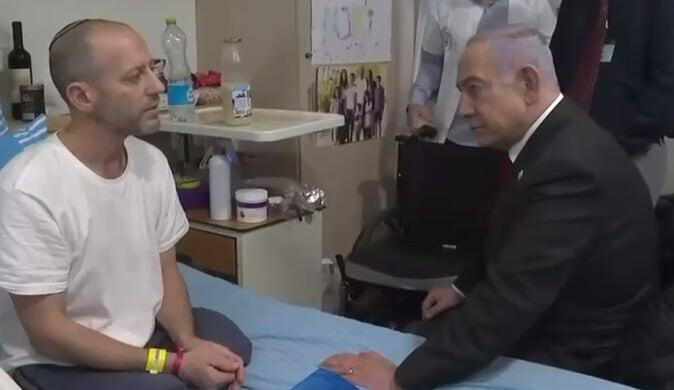
Elisha Medan and Prime Minister Benjamin Netanyahu
He is among the founders of Avigail, a Jewish community in the southern Hebron Hills in the West Bank. He is married to Miriam and has six children.
During his rehabilitation, Medan frequently shared his story with soldiers, young people and communities across Israel.
He was selected to light the torch dedicated to healing and rehabilitation at the 77th Independence Day ceremony.
His father, Rabbi Yaakov Medan, co-head of the Har Etzion hesder yeshiva, which combines religious study with military service, has been a prominent opponent of legislation concerning ultra-Orthodox military exemptions.
Speaking to ynet and its parent newspaper, Yedioth Ahronoth, Medan said he intends to focus on developing the Negev.
"As a resident of the Negev and someone for whom the value of settlement runs through my veins, I want to advance the Negev," he said. "I feel that if we don't wake up and make a dramatic change here, we'll lose the Negev. And as David Ben-Gurion said, 'If we do not stand firm in the Negev, Tel Aviv will not stand.'"
Itamar Eitam, Religious Zionist Party
Itamar Eitam is a reserve IDF officer who has completed more than 700 days of reserve duty since Oct. 7, 2023.
Since the beginning of the war, he commanded the reconnaissance battalion of the IDF's School for Infantry Corps Professions and Squad Commanders brigade, known by its Hebrew acronym Bislamach, during operations in Gaza and Lebanon.
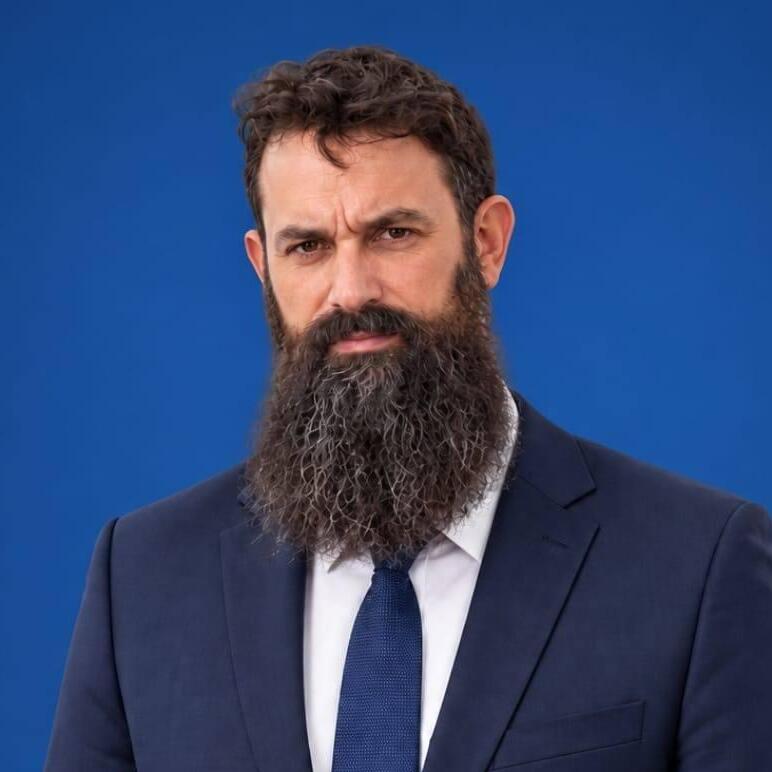
Itamar Eitam
Eitam was seriously wounded by sniper fire but returned to command his battalion after recovering.
His father is former Cabinet minister and retired Brig. Gen. Effi Eitam, who previously chaired the National Religious Party.
In his first steps as a lawmaker, Itamar Eitam demonstrated that he would not necessarily follow every position taken by his party.
He publicly criticized a controversial Religious Zionist Party campaign video and later attracted attention when he said the solution to the military's shortage of combat soldiers was to "have children," arguing that additional personnel would not come from the ultra-Orthodox community.
Beyond his military career, Eitam has worked in education and previously supervised community and social education programs at the Education Ministry.
Keren Terner, Beyachad
Keren Terner is widely regarded as a respected public administrator and a significant addition to former prime minister Naftali Bennett's electoral list.
From 2016 to 2020, Terner served as director-general of the Transportation Ministry and later as director-general of the Finance Ministry, which she left in a highly publicized departure.

Keren Terner
(Photo: Tal Shahar)
She resigned from the Finance Ministry in October 2020, less than six months after then-finance minister Israel Katz appointed her, following repeated disagreements between the two.
Terner, who was placed third on the Beyachad (Together) party's list, focuses primarily on transportation and economic issues.
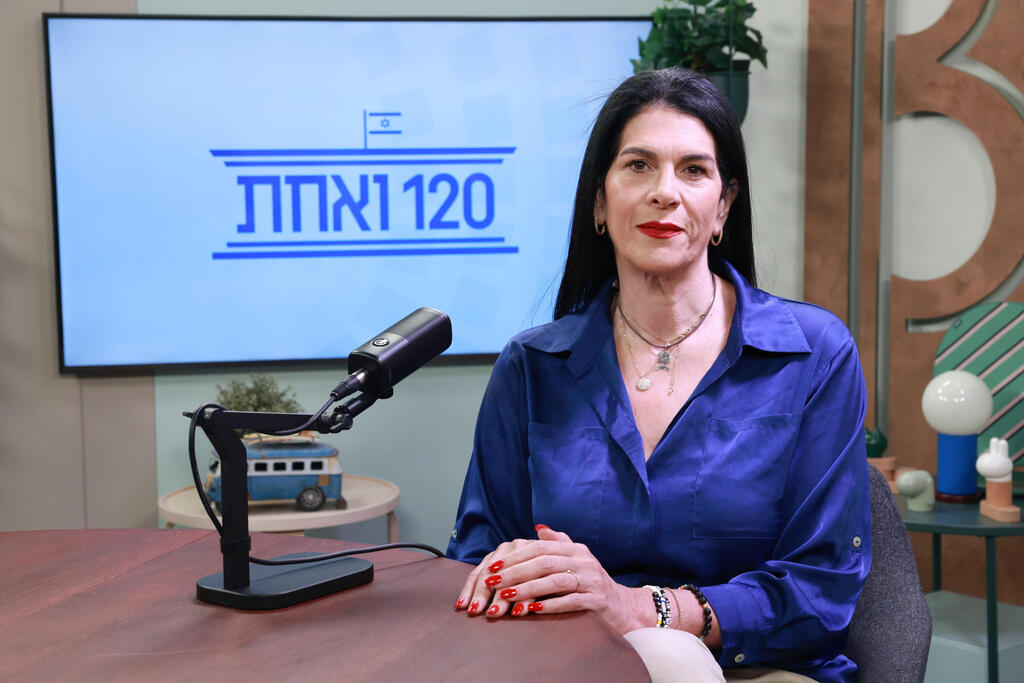
Speaking on "120 and One," ynet's political podcast, she said: "There is a great deal that needs to be improved in the way the Transportation Ministry operates today. I'm not saying good things aren't being done, but take road safety, for example. Last year was the worst year ever. And that's not inevitable. You have to get up in the morning and work on it."
Yaya Fink, The Democrats
Yaya Fink is a familiar figure in the Democrats party and previously in the Labor Party.
An observant Jew who wears a knitted kippah, the traditional skullcap associated with the religious Zionist community, Fink represents the religious left.
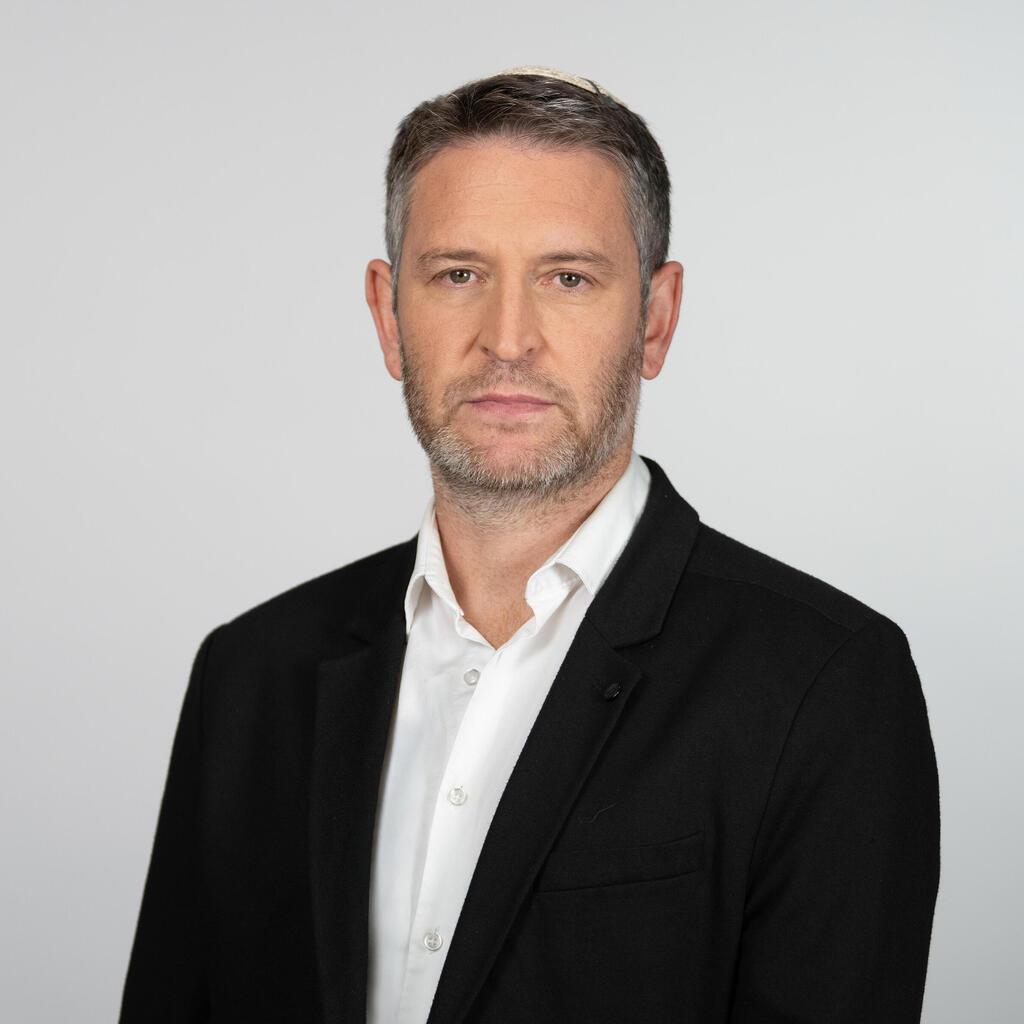
Yaya Fink
(Photo: Elad Malka)
In recent years, he was among the leaders of protests against the government.
In the 2019 election for the 21st Knesset, Fink was placed eighth on Labor's list but did not win a seat. This time, he secured fifth place in the Democrats' primary.
Speaking to ynet and Yedioth Ahronoth, Fink said he would seek to "reduce social inequality by increasing old-age benefits and the minimum wage."
He also pledged to increase the number of annual vacation days and ensure that "money moves from the wealthy to the masses and from those who evade service to those who serve."
"In addition, I want to advance a constitution for Israel, reduce religious coercion and dismantle the Chief Rabbinate's monopoly," he said.
Israel does not have a single written constitution, while the state Chief Rabbinate exercises authority over key aspects of Jewish religious life, including marriage and divorce.
Adi Altschuler, Yashar!
Adi Altschuler is an Israel Prize recipient and the founder of several of Israel's best-known social initiatives.
They include Krembo Wings, a youth movement that brings together children and teenagers with and without disabilities, and Zikaron BaSalon, or Remembrance in the Living Room, a Holocaust remembrance initiative that has grown into a tradition involving more than 2 million hosts and participants.
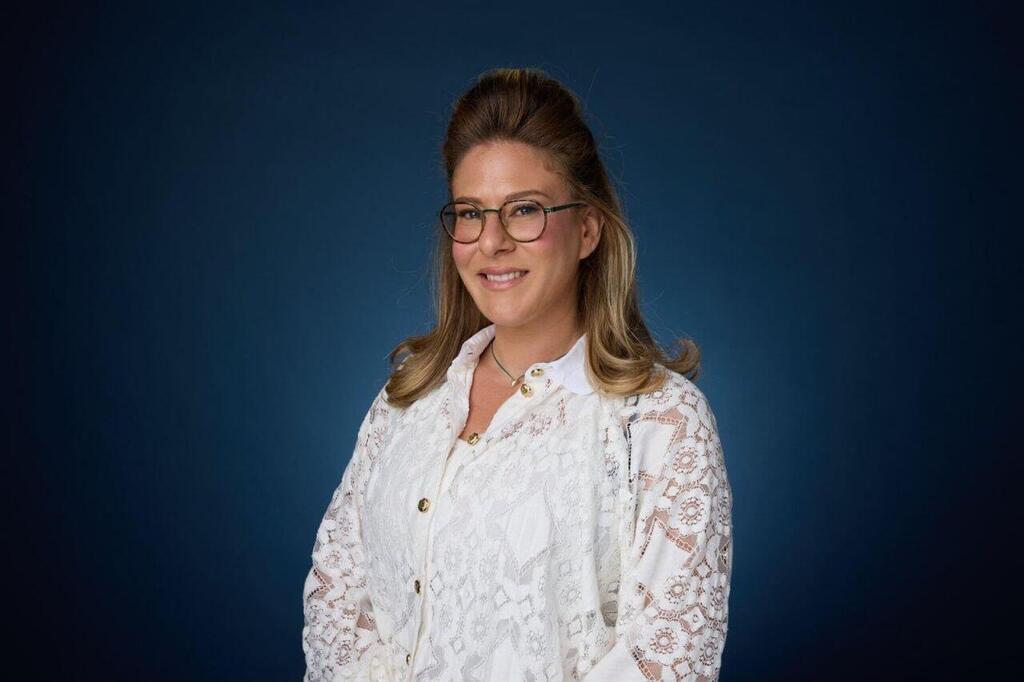
Adi Altschuler
(Photo: Yahav Trodler)
Before joining former IDF chief of staff Gadi Eisenkot's Yashar! party, Altschuler was courted by numerous political figures.
She is expected to play a prominent role in education policy. Eisenkot has presented her as the party's candidate for education minister should it form a government.
Speaking to ynet and Yedioth Ahronoth, Altschuler said: "Over the years, I've learned that real change begins with taking personal responsibility and is built through relentless perseverance and working together.
"I'm coming to be the change I want to see with my own eyes and to serve all those whose voices are not heard in Jerusalem.
"My mission is clear: Education must become Israel's next national achievement."
Col. (res.) Talia Lankri, Yisrael Beytenu
Retired Col. Talia Lankri was the first woman to command a battalion at the IDF's Officer Training School, known as Bahad 1, and later commanded the unit responsible for the IDF comptroller's inspections.
After leaving the military, she was appointed deputy head of the National Security Council.
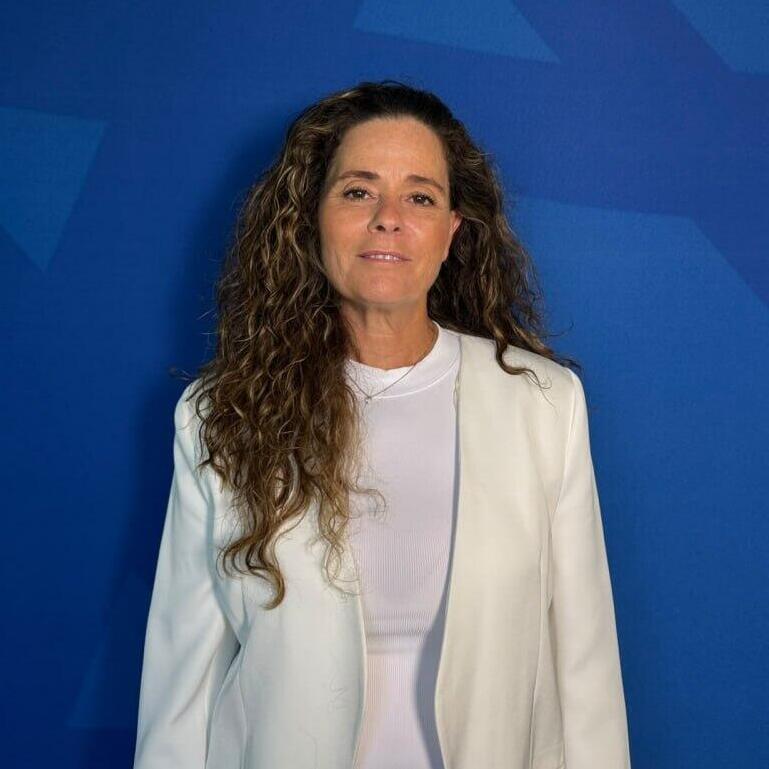
Col. (res.) Talia Lankri
Following her departure from the defense establishment, she became a familiar television commentator during the latest war.
After negotiations with several political parties, Lankri joined Avigdor Liberman's Yisrael Beytenu party.
She is expected to focus primarily on national security.
In an interview on ynet's election program, Lankri addressed the contentious issue of military conscription.
"We've been talking about this for three years already," she said. "Everyone needs to report to the induction center — Arabs, ultra-Orthodox Jews, Circassians, Druze. Everyone goes to the recruitment office.
"The military will determine its needs without quotas. The state comes first. Some will go into national service, some will join the military. Not everyone needs to serve in the Golani Brigade. Absolutely not."
Hanamel Dorfman, Otzma Yehudit
Hanamel Dorfman, a close confidant of Otzma Yehudit leader Itamar Ben-Gvir, has been regarded in recent years as one of the most powerful figures behind the scenes of both the party and the National Security Ministry.
He managed coalition negotiations on Ben-Gvir's behalf.
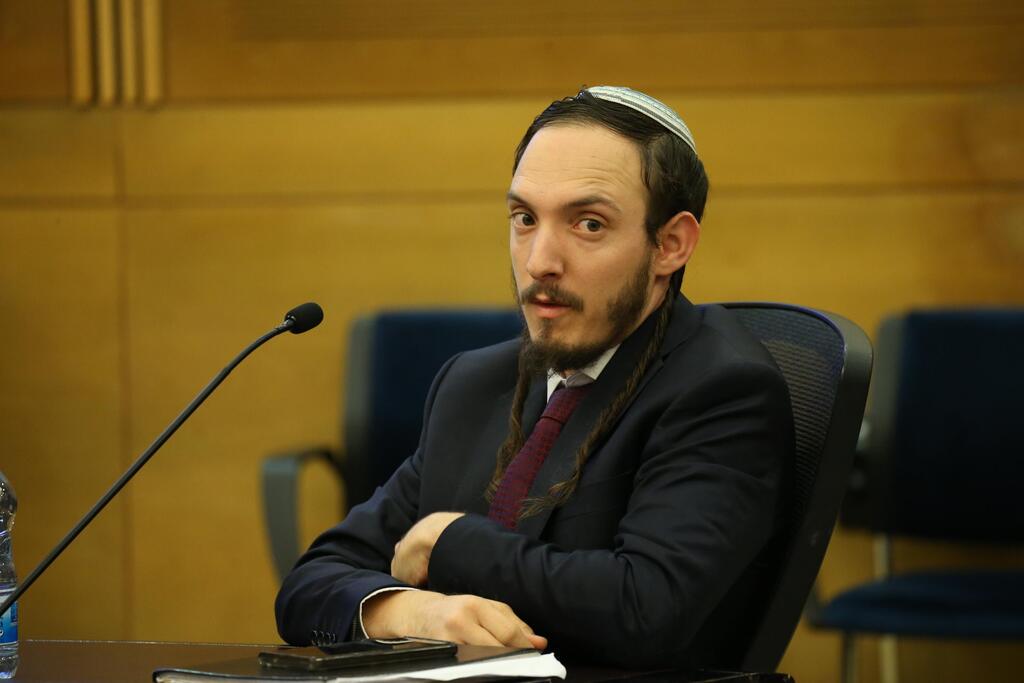
Hanamel Dorfman
(Photo: Amit Shabi)
Dorfman was previously active in the radical settler movement known as the Hilltop Youth and was designated a person of interest by the Shin Bet's Jewish Division, which investigates Jewish extremist activity.
He was also questioned on suspicion of attempting to influence an investigation conducted by the Israel Police's Judea and Samaria District.
Asked what he intended to accomplish during his Knesset term, Dorfman said: "The transition from behind the scenes to center stage is exciting.
"I intend to restore order and abolish the mechanisms of 'affirmative action' for Arab society, which have become institutional discrimination against Jews.
"Admission to jobs and educational institutions must be based on excellence and qualifications, without discrimination against Jews who served in the military.
"Alongside that, I will advance legislation making education compulsory from birth to age 3, which will significantly ease the burden on young families."
Yoram Cohen, Yashar!
Yoram Cohen, a former director of the Shin Bet domestic security agency, headed the organization from 2011 to 2016 under Prime Minister Benjamin Netanyahu. He has since become a fierce critic of Netanyahu.
Before choosing Eisenkot's Yashar! party, Cohen was also courted by former prime minister Naftali Bennett.
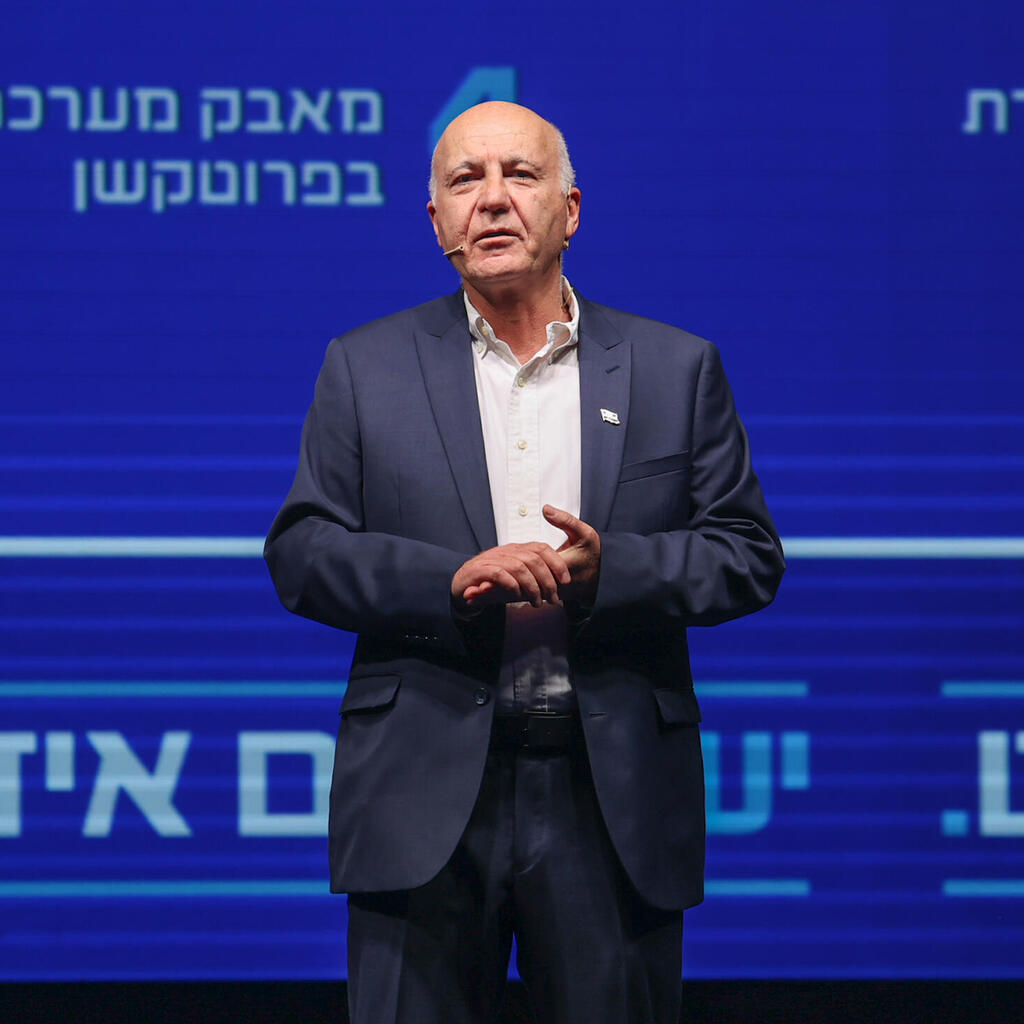
Yoram Cohen
(Photo: Ido Erez)
Cohen has been mentioned as a potential candidate for national security minister in a future government led by Eisenkot.
Speaking to ynet and Yedioth Ahronoth about his election to the Knesset, Cohen said: "I come with a strong sense of mission and great responsibility, and with a desire to help establish a new government led by Gadi Eisenkot that will bring real change to the State of Israel.
"I intend to contribute my professional and management experience on matters of national security.
"We will work to preserve Jewish tradition and strengthen security, responsible state leadership and democracy, while maintaining transparency, integrity and humility in public service."