

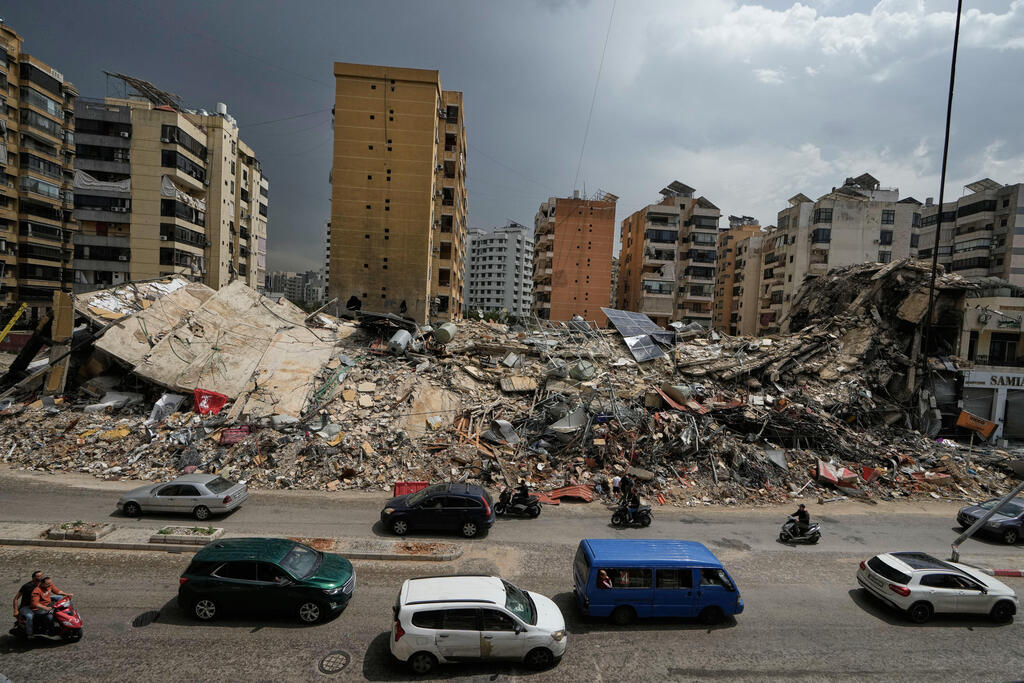
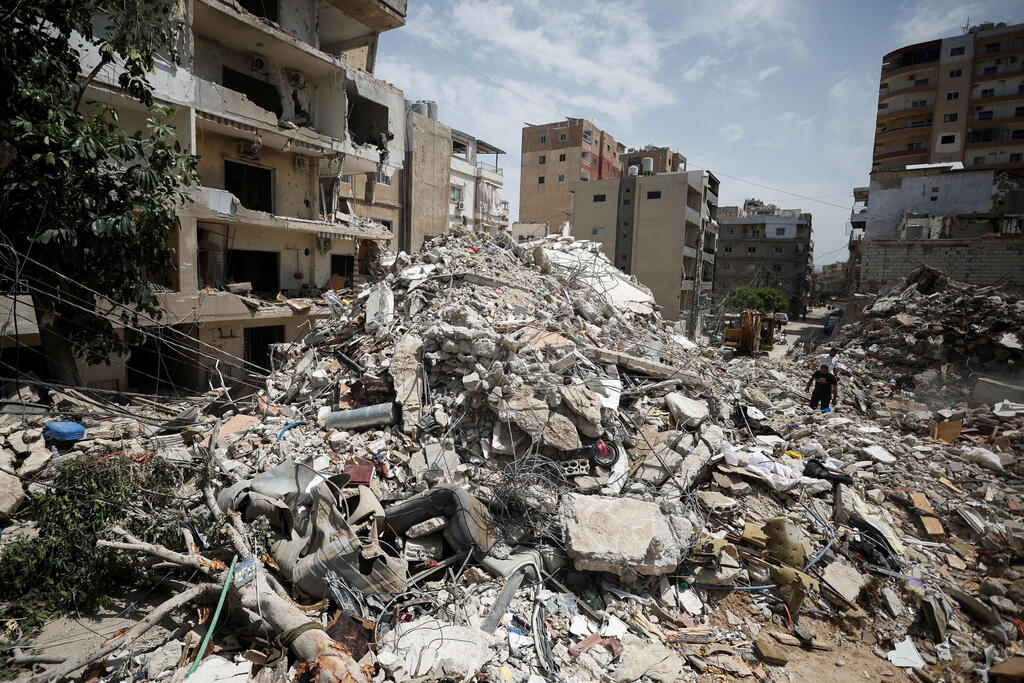
Many of the Lebanese displaced who returned home Friday following the ceasefire do not plan to stay long. The truce, declared for just 10 days, may prove fragile. Mounds of rubble now mark where buildings once stood in Dahiyeh, Hezbollah’s stronghold in Beirut’s southern suburbs.
In the al-Qasmiya area of southern Lebanon, cars crossed a makeshift passage over the Litani River, hastily set up after the ceasefire took effect at midnight local time. Defense Minister Israel Katz’s pledge that bridges over the river would be “destroyed” did not hold. A long line of vehicles stretched across a bridge leading south toward Tyre, moving safely under Lebanese authorities’ supervision.
Crossing bridges Israel had pledged to destroy


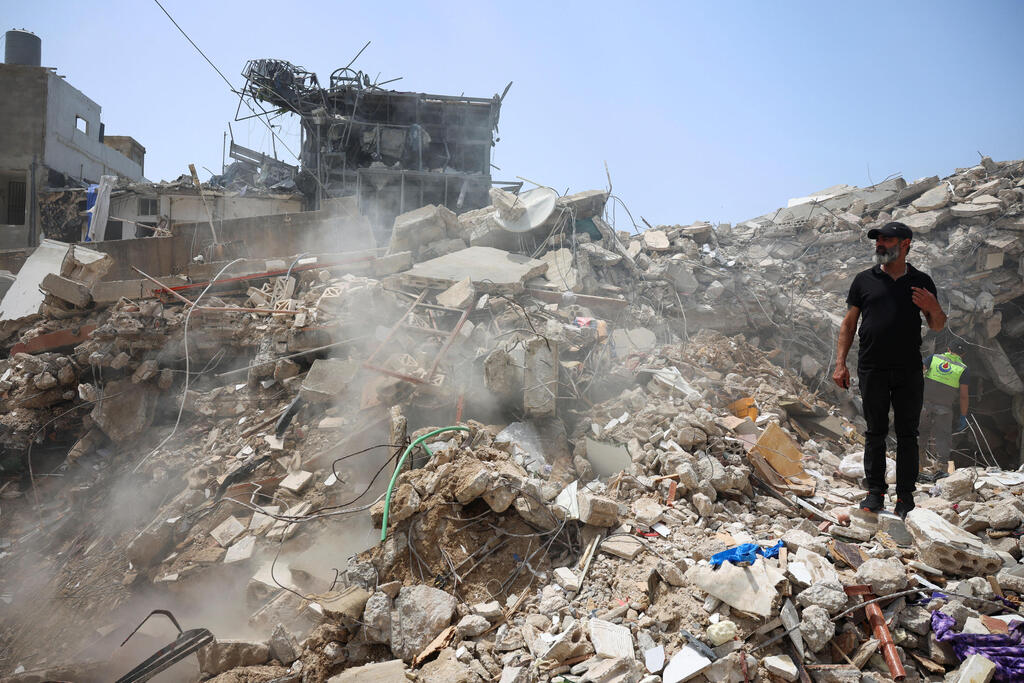
Amid the rubble in Tyre
(Photo: REUTERS/Louisa Gouliamaki)
The vehicles, loaded with mattresses, suitcases and belongings, moved slowly along a single reopened lane that had been quickly repaired after an Israeli airstrike hit the bridge just a day earlier.
In the village of Jibchit, a small number of residents returned to flattened buildings and debris-strewn streets. Zeinab Fakhsh, 23, said she felt a sense of freedom in coming back, but noted that everything — from homes to shops and public spaces — had been destroyed.
Ali Hamza, who visited his home in Dahiyeh, said his building was still standing, but described widespread fear among residents about returning. He said conditions on the ground, including the lingering destruction and odors, made it extremely difficult to live there, despite the challenges of displacement.
In the southern city of Nabatieh, where extensive damage has been reported, some residents said they intended to stay, while others said the area was uninhabitable. Fadel Badr al-Din, who arrived with his wife and young son, said the destruction left no viable living conditions, forcing them to gather their belongings and leave again, while expressing hope for a permanent end to the conflict so they could return home.
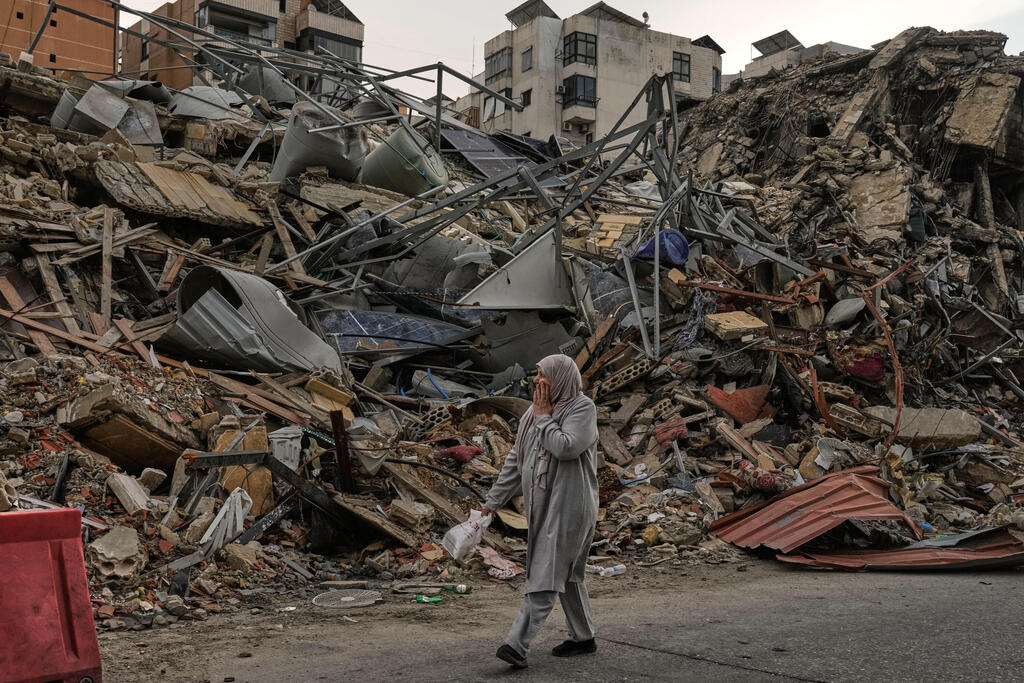
Dahiyeh in Beirut, today
(Photo: AP Photo/Bilal Hussein)
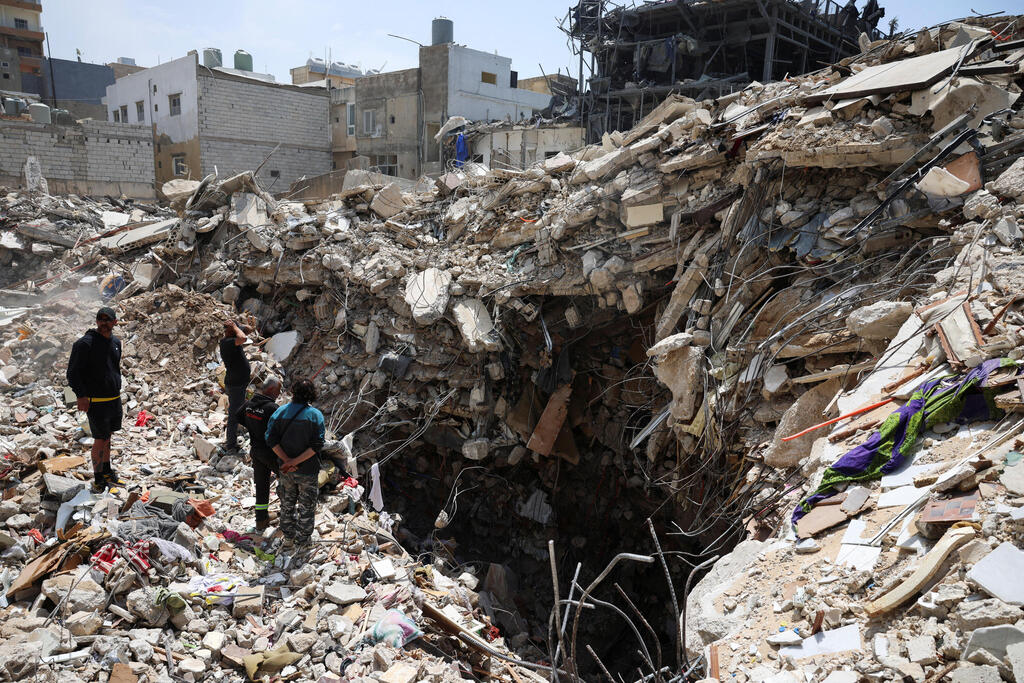
The rubble in the Tyre area
(Photo: REUTERS/Louisa Gouliamaki)
(Photo: REUTERS/Louisa Gouliamaki)
More than 2,100 Lebanese have been killed in the war, and about 1.2 million displaced. Much of the damage has affected the Shiite population, on whom Hezbollah imposed — as it did across Lebanon — its entry into the war in an effort to support Iran. Israel, meanwhile, is maintaining control of areas it seized in southern Lebanon as a “security zone,” while holding negotiations with Lebanon over a permanent agreement. The Lebanese government, however, has so far shown that its commitments to disarm Hezbollah remain unfulfilled.
‘This war will continue’
Hezbollah said any ceasefire cannot allow Israel freedom of movement inside Lebanon. In a statement, the group said the presence of Israeli forces on Lebanese soil gives Lebanon and its people the “right to resist.”
Trump said he would invite Netanyahu and Lebanese President Joseph Aoun to the White House for “substantive talks” between the two countries, which have technically remained at war since Israel’s founding in 1948. Despite this, Hezbollah continues to enjoy significant support among Lebanon’s population, making it difficult to see how the government could confront it without risking civil war. The war has already shown the government’s inability to prevent rocket fire or even expel Iran’s ambassador, who has remained in the country.
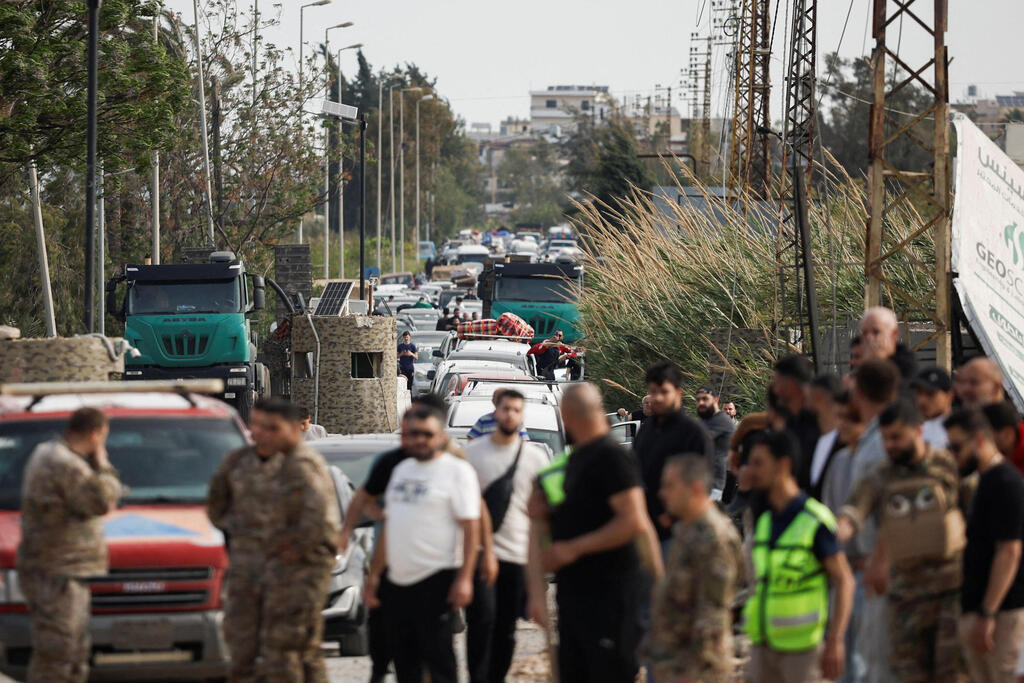
Traffic jams following the mass return to the south
(Photo: REUTERS/Louisa Gouliamaki)
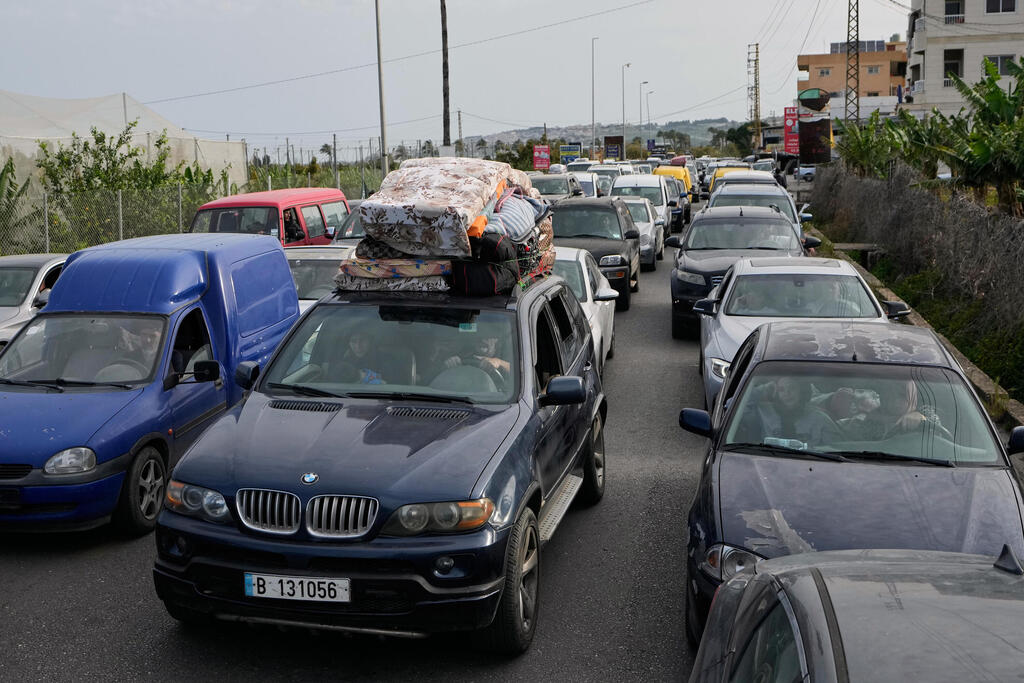
(Photo: AP Photo/Mohammed Zaatari)
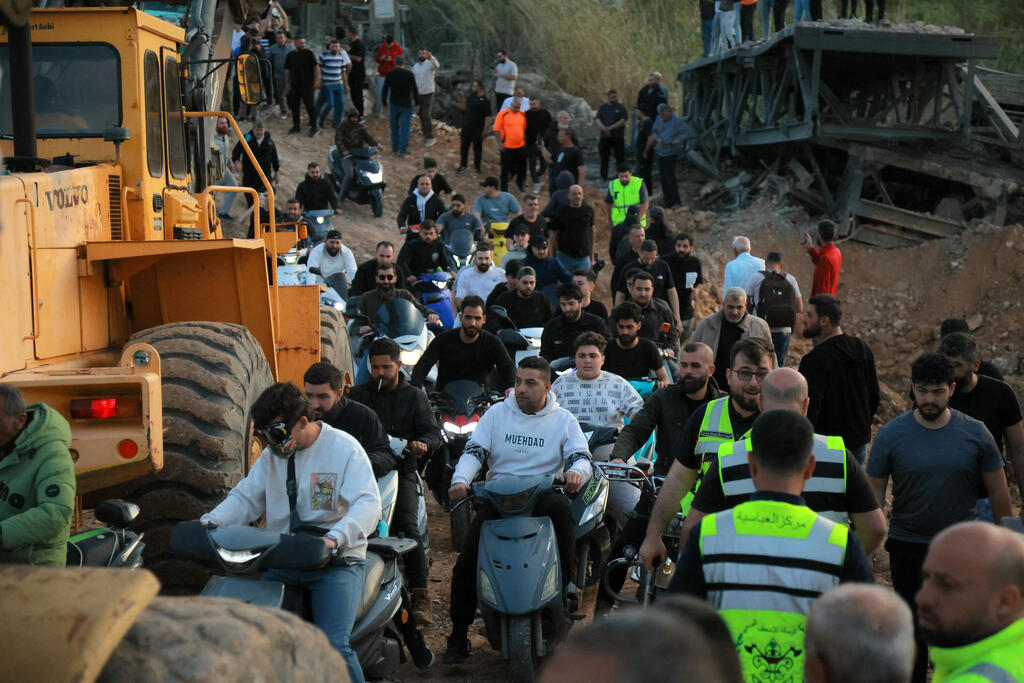
(Photo: ibrahim AMRO / AFP)
“Israel does not want peace,” said Ali al-Wahdan, 27, a paramedic walking on crutches over the rubble of an emergency services center in Jibchit. He was seriously wounded in an Israeli airstrike that hit the building without warning during the first week of the war. “I wish it were otherwise,” he said. “But this war will continue.”
In the Haret Hreik neighborhood of Beirut’s southern suburbs, entire buildings have been reduced to rubble after weeks of intense strikes. Ahmad Lahham, 48, waved Hezbollah’s yellow flag as he stood atop the ruins of what was once his residential building, which also housed a branch of Hezbollah’s financial arm, Al-Qard al-Hassan.
“We stand at the service of the fighters,” Lahham said, declaring loyalty to the group. He praised Iran, saying its pressure in talks with the United States led to the pause, while condemning Lebanon’s direct talks with Israel. “Only the Iranians stood by us, no one else,” he said, calling Lebanon’s leaders a “leadership of shame.”
A local official in Haret Hreik said Israel had struck the neighborhood 62 times over the past six weeks. “We managed to clear debris from partially damaged buildings, but for those completely destroyed, we will need special equipment,” said Sadeq Slim, the neighborhood’s deputy mayor, in a briefing to reporters.
The area was heavily congested, with residents returning to check their homes and Hezbollah supporters riding scooters, waving the group’s flags. Little appeared to have changed.