


Rabbi Yigal Levinstein, head of the Bnei David pre-military academy in the West Bank settlement of Eli, has called on students in religious pre-army programs and yeshivas not to enlist in Sayeret Matkal after the IDF integrated its first female combat soldier into the elite commando unit.
Levinstein said the unit had become, in his words, a “mixed unit” and no longer meets the halachic requirements for observant soldiers.
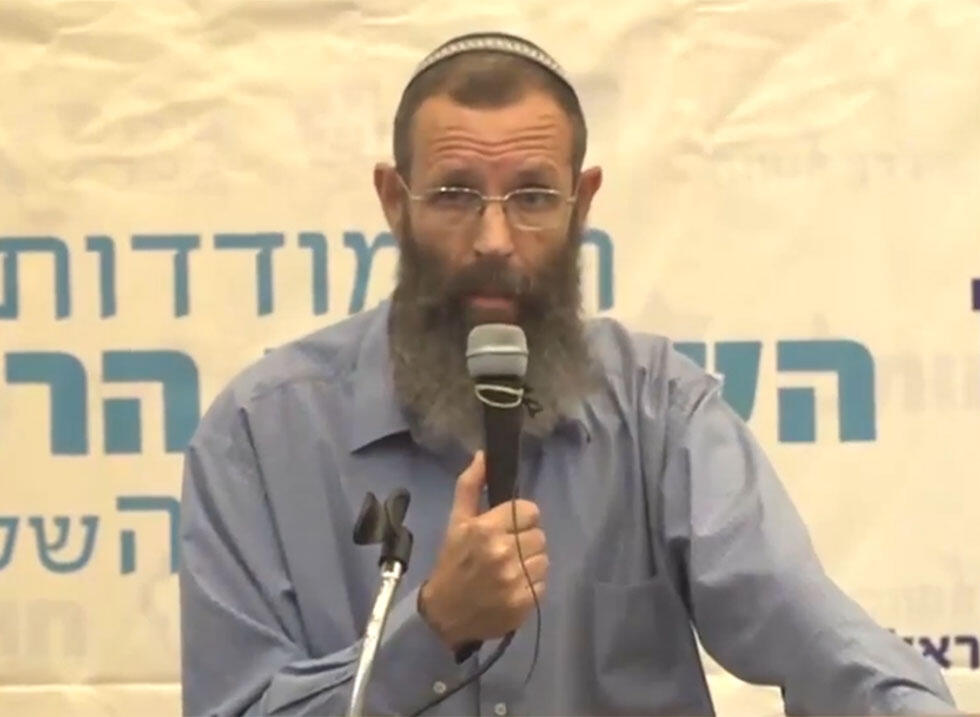
In a message to his students, Levinstein warned them not to rely on assurances that they would serve only in separate teams during training. He claimed that after completing the course, fighters are assigned to joint operational companies in which female combat soldiers also serve.
According to Levinstein, male and female soldiers operate together on a regular basis during missions, and therefore “there is no halachic permission” for observant soldiers to serve in such a framework.
He also argued that operational needs cannot, in his view, serve as a halachic justification for service in such a unit. Levinstein called on religious young men to perform meaningful military service in the IDF, but only in units that he said preserve their religious lifestyle and worldview.
His statement follows a similar move earlier this month by heads of hesder yeshivas, which combine Torah study with IDF service, who said they would stop sending students to the Armored Corps over the integration of women. The yeshiva leaders said they opposed draft refusal and that all students would serve, but not in the tank corps.
The dispute comes after the IDF announced this month that one female soldier, among dozens of male fighters, had successfully completed the demanding and prestigious Sayeret Matkal training course, becoming the first woman to qualify as a fighter in the unit.
For years, the integration of women into the IDF’s elite combat units was delayed. After several petitions to the High Court of Justice, the IDF announced in September 2023 that it would launch trial programs to examine the integration of women as combat soldiers in Sayeret Matkal and in the 551st mobility unit of the 98th Division.
The decision came after the High Court issued an order requiring the defense minister, the IDF and the chief of staff to explain why women were not being integrated into the army’s elite units. The petitions, known collectively as the “women fighters” case, were filed by women who were candidates for military service and demanded an equal opportunity to compete with men for combat roles in elite units.
At the time, the IDF told the High Court that while it would test integration in units such as Sayeret Matkal, the chances of integrating women into the maneuvering force of the Armored Corps were low because of the physical demands of fighting beyond enemy lines in tanks and the large existing frameworks of the armored brigades.
This year, however, the High Court ruled that the IDF must uphold equality between men and women, including in the maneuvering Armored Corps.
(Photo: IDF)
The pilot program for integrating women into Sayeret Matkal began in December 2024 as part of the army’s broader examination of expanding women’s service in combat units, including special forces.
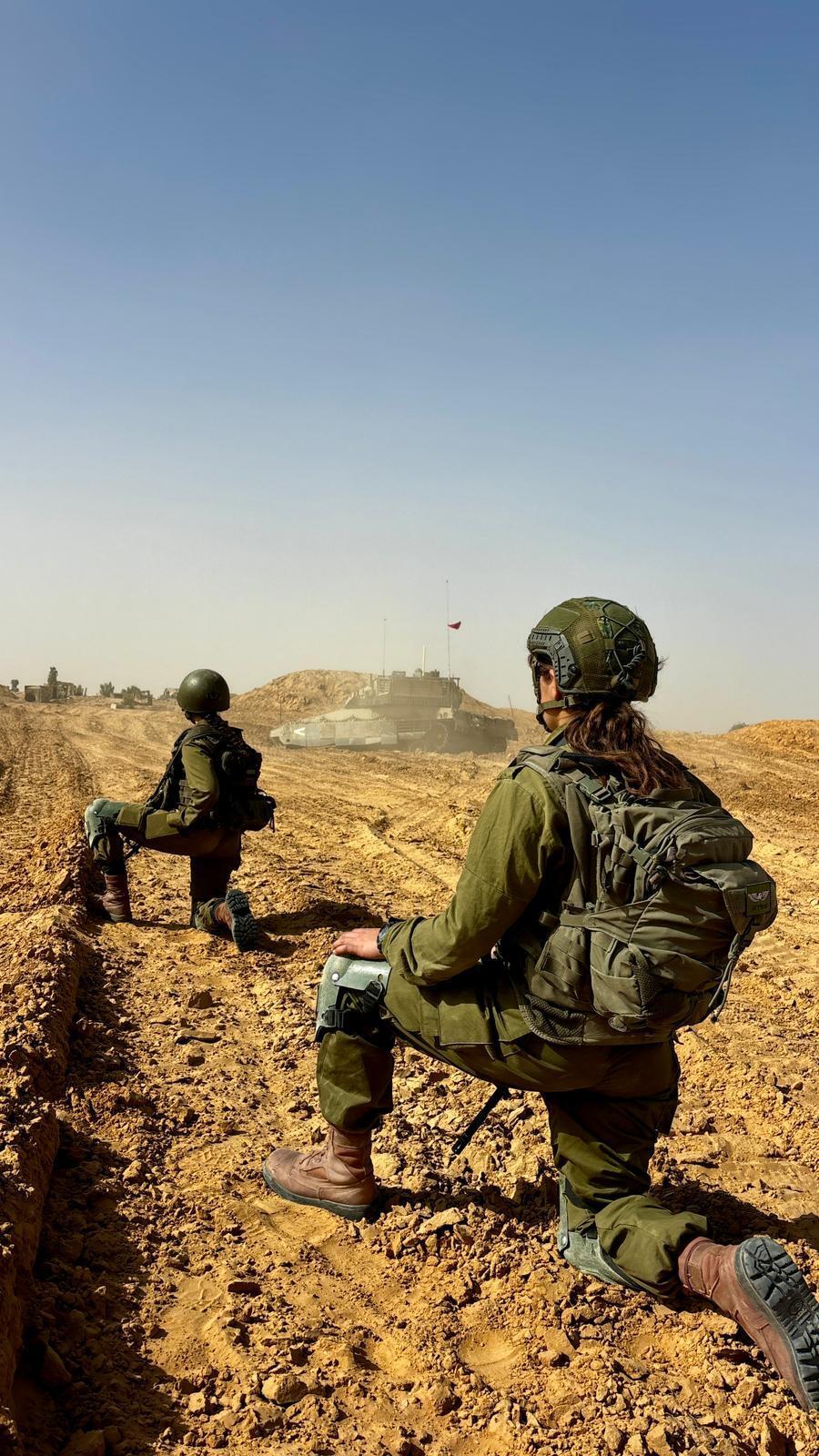
The female soldier who completed the Sayeret Matkal course had passed a preliminary selection process and met the required criteria. She trained alongside male soldiers for a year and a half in a course that was identical to theirs, except for specific adjustments made according to her physical training plan.
The IDF stressed that she met all standards required of a special forces fighter, but said that due to information-security restrictions, it could not provide details about the unique track prepared for her.
“The IDF congratulates the fighter on her meaningful and groundbreaking achievement,” the IDF Spokesperson’s Unit said. It added that the way she will be integrated into the unit’s operational activity will be finalized soon and implemented according to operational needs and in accordance with the Joint Service Ordinance, the military framework regulating service by men and women in the same units.
According to the IDF, her future role has not yet been determined, and her position will be defined differently from those of the male fighters in the unit. A summary of the training phase in the pilot program will be presented to the General Staff soon.
For the army, the issue has become part of a wider test of how far women can be integrated into the IDF’s most demanding combat frameworks. For parts of the religious Zionist world, however, it has become another flashpoint in the long-running struggle over gender integration, religious service conditions and the limits of rabbinic cooperation with the military.