

Prime Minister Benjamin Netanyahu on Sunday again floated the possibility of scrapping Likud's primary elections if the security situation deteriorates, suggesting the ruling party's candidate list for the next parliamentary election could instead be determined by a selection committee under his influence.
Speaking at a closed meeting with Likud-affiliated local government leaders in central Israel, Netanyahu said that "if the security situation does not allow primaries, we will determine the list through a selection committee."
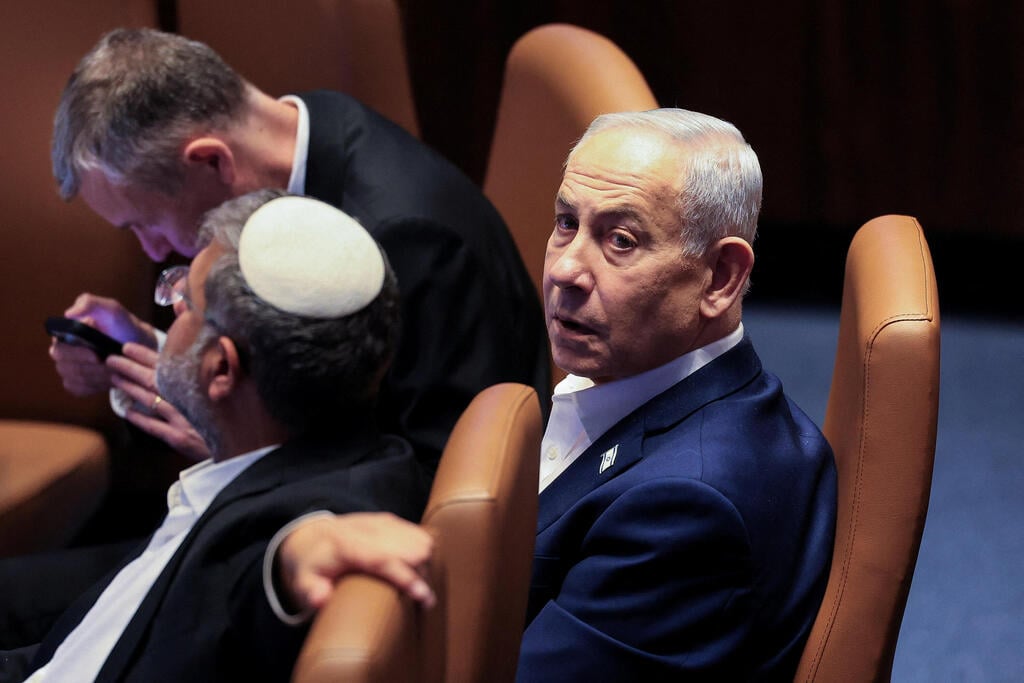
Prime Minister Benjamin Netanyahu
(Photo: REUTERS/Ronen Zvulun)
The remarks revive an idea Netanyahu had previously raised before agreeing to pursue a compromise that would preserve the primaries while significantly expanding his authority to reserve places on the party's electoral slate.
The comments came as Likud remains embroiled in an increasingly bitter internal dispute over the rules governing its leadership primaries ahead of the next general election.
Netanyahu has sought to increase the number of "reserved slots" — positions on the party's Knesset list that he can personally assign rather than leaving them to party members in primary elections. Under the latest proposal negotiated with Likud Central Committee chairman Haim Katz, Netanyahu would be able to handpick eight candidates, including three in the top 10 spots and six in the top 20 — a significant expansion from the three reserved positions he controlled in the party's 2022 primaries.
Supporters say the additional reserved slots would allow Netanyahu to recruit high-profile candidates and strengthen political alliances before the election. Critics argue the changes would weaken the party's internal democratic process by giving the prime minister greater control over the final list.
The proposal has triggered repeated delays and legal challenges.
A planned vote by the Likud Central Committee has now been postponed several times and is expected to take place Thursday, though party officials said Netanyahu wants additional time before a final decision is made.
Meanwhile, Likud's Constitution Committee convened again Sunday, with Netanyahu in attendance, to once more approve the proposal before it returns to the party's Central Committee for a vote.
The dispute has dragged on for days after a party tribunal ordered a fresh review of the proposal. Last week, the Lod District Court also halted a planned vote after petitioners argued that changes to the party's primary rules should be approved by all Likud members rather than only the roughly 4,500-member Central Committee.
Senior Likud lawmaker David Bitan, one of the most vocal opponents of Netanyahu's plan, said he supports granting the prime minister some reserved positions but opposes the current proposal negotiated by Katz.
"The prime minister deserves reserved slots. The question is how many and in which positions," Bitan said.
He urged party members to reject the proposal, arguing it would damage Likud's democratic traditions and hurt the party in the upcoming election.
"Katz is leading the movement into an anti-democratic abyss," Bitan said, accusing the veteran minister of creating "a faction within a faction."
Bitan added that the proposed reserved slots were "even worse than a selection committee" because they would effectively sideline rank-and-file party members while still maintaining the appearance of primary elections.
Netanyahu's latest remarks suggest he remains willing to abandon the primary process altogether if circumstances permit, an option he previously threatened before retreating in the face of resistance from senior Likud figures.