


As the academic year begins, the IDF has assessed the expected scope of reserve duty over the coming year as part of a plan to provide benefits and academic accommodations for student reservists. Under the plan, the number of reserve duty days in 2027 is expected to fall by 30% to 40% compared with 2026, depending on security developments and the military's ability to scale back operations. The IDF has already reported a roughly 30% reduction in training exercises and operational deployments planned for December, January and February.
A key consideration in developing the plan was ensuring that reservists would not lose eligibility for benefits simply because they serve fewer days next year. Eligibility thresholds have therefore been adjusted so that those who serve fewer reserve duty days in 2027 than in 2026 can still receive benefits under the established criteria. The military and academic institutions also agreed that degrees earned by reservists who make use of academic accommodations will carry the same standing as any other degree, without distinction or any reduction in academic recognition.
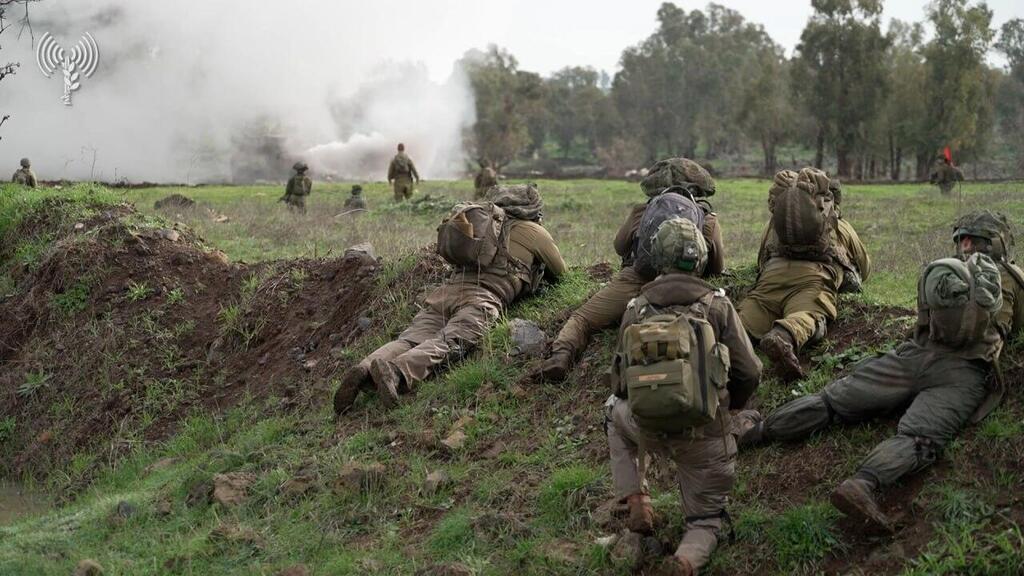
A promise to reduce reserve duty days in 2027; similar promises in the past have gone unfulfilled
(Photo: IDF Spokesperson's Unit)
However, promises to reduce annual reserve duty are nothing new. Since the war began, the government and senior defense officials have repeatedly announced plans to cap and significantly reduce the number of reserve duty days required of each reservist, aiming to ease the financial and personal burden of prolonged military service.
Despite efforts to formalize these limits through draft government decisions and legislation, the measures were never finalized or fully implemented. In practice, prolonged operational demands took precedence over the promises. These included the 12-day war against Iran during Operation Rising Lion in June 2025, the continued deployment of forces along the Yellow Line in the Gaza Strip and, later, Operation Roaring Lion against Iran, which lasted more than 40 days.
These operations were compounded by the ground offensive and seizure of territory in southern Lebanon, which began simultaneously in March this year and required a far larger and more sustained deployment of combat troops than originally planned. The IDF continues to maintain a security buffer zone in the area of the Yellow Line in southern Lebanon, with troop levels varying according to operational needs.
This security reality has left the same reservists carrying a heavy burden through open-ended emergency call-up orders, known as Tzav 8. As a result, many reservists have continued to receive lengthy mobilization orders that significantly exceeded the service limits they had previously been promised, deepening exhaustion and further eroding trust.