

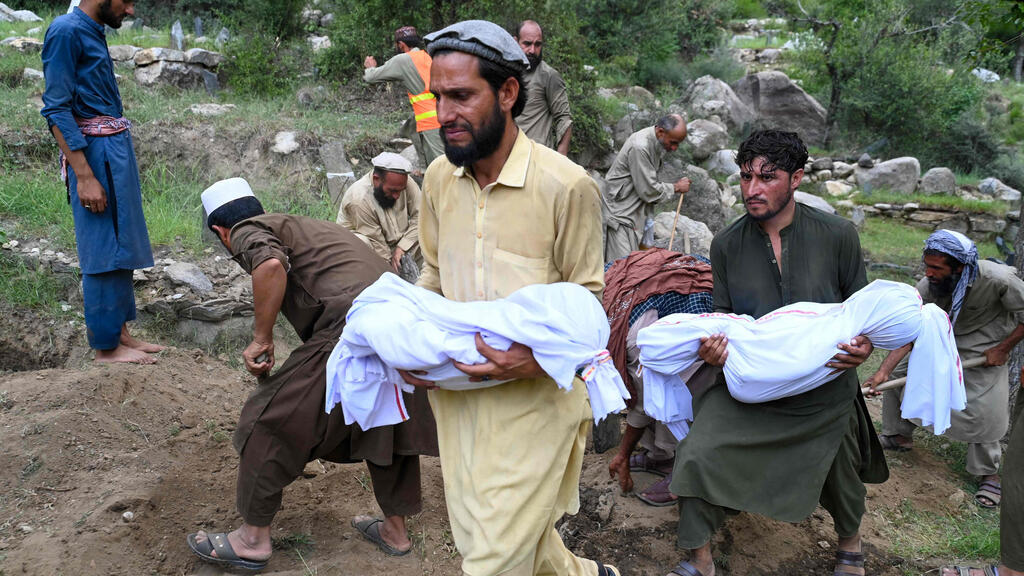
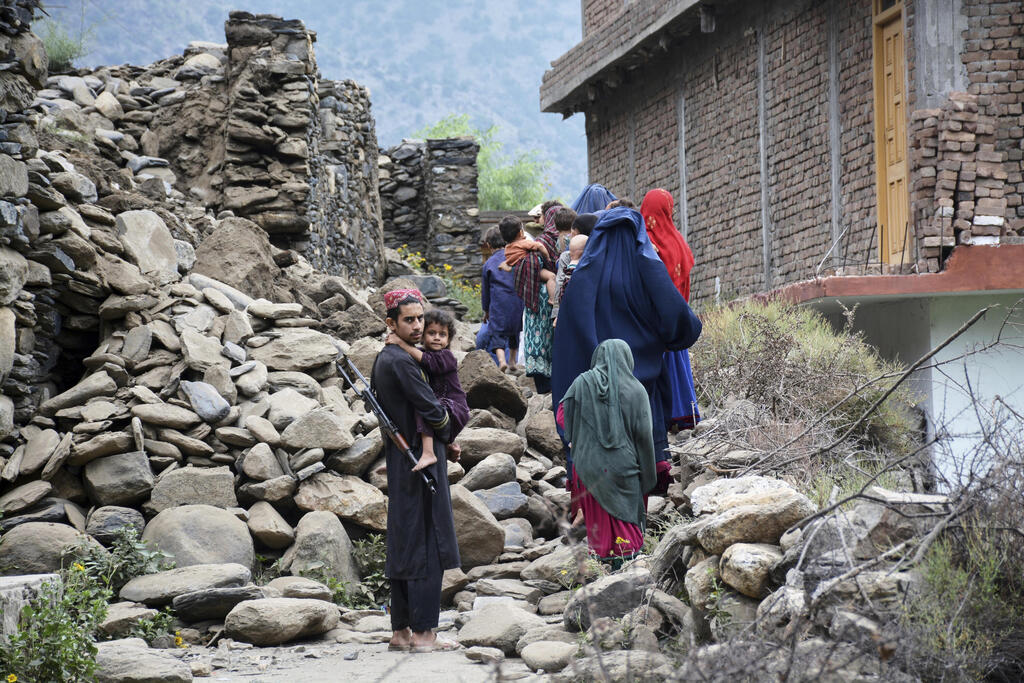
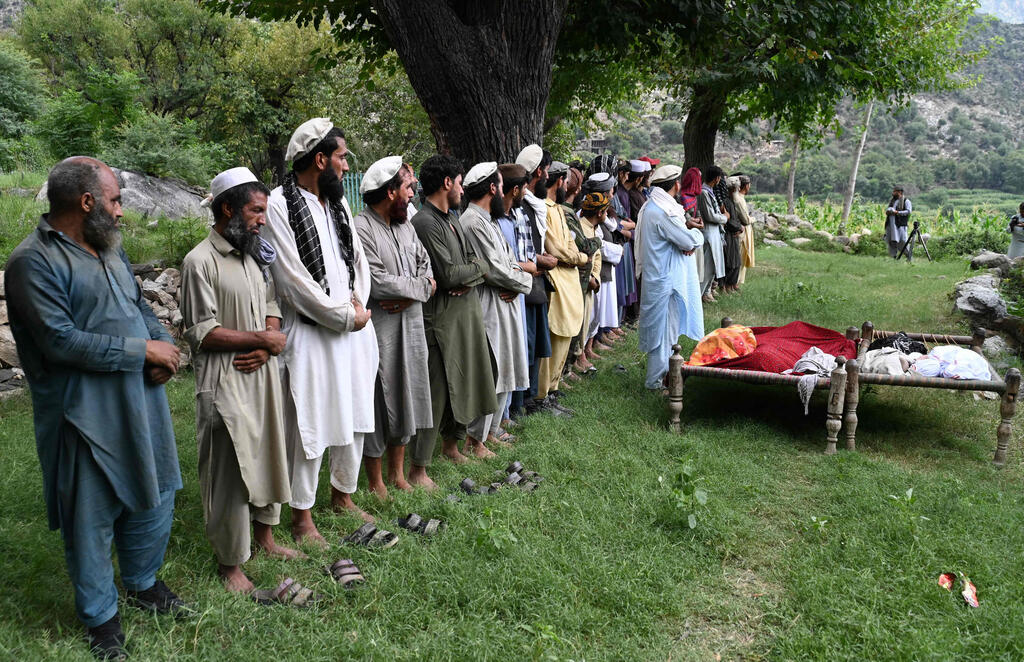
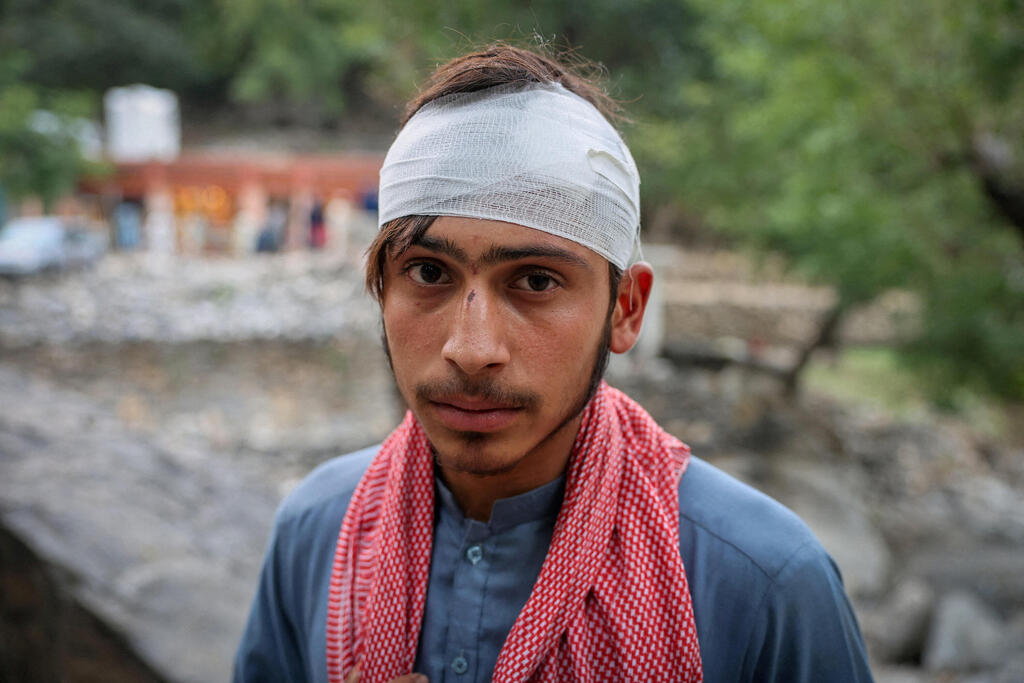
In the aftermath of last week’s deadly 6.0-magnitude earthquake in Afghanistan, reports have emerged that male rescuers refused to assist injured or trapped women, leaving some to die to avoid violating Taliban cultural and legal norms prohibiting physical contact with women outside their immediate family.
The disaster, which struck the conservative Kunar province, killed over 2,200 people and injured more than 3,600, devastating a poor, mountainous region where road blockages further complicated access.

(Photo: Wakil Kohsar / AFP)
(Photo: AP Photo/Wahidullah Kakar)
(Photo: Wakil Kohsar / AFP)
Bibi Aisha, a 19-year-old Afghan woman, recounted her experience to The New York Times. Rescuers reached her village 36 hours after the quake, but none were women. While men and children were quickly evacuated, Aisha and other women and girls, some bleeding, were sidelined. “They gathered us in a corner and forgot about us,” she said, noting that no one offered help or checked on their needs.
By Thursday, four days after the quake, no female aid workers had arrived, leaving Aisha and her three-year-old son to spend three nights outdoors. “God saved me and my son,” she told the outlet, “but that night I realized being a woman here means we’re always the last to be seen.”
Tehzibullah Muhazab, a 33-year-old volunteer rescuer in Kunar’s Mazar Dara village, told The New York Times that male rescuers hesitated to free women trapped under rubble, leaving them to wait for female help from other villages. “It felt like women were invisible,” he said.
In cases where women had died, male rescuers avoided skin contact by dragging their bodies out by their clothing if no male relative was present. Hamid Badshash, a Kunar resident, told The Daily Telegraph that injured women were left under collapsed buildings as all-male rescue teams hesitated to act.

(Photo: Wakil Kohsar / AFP)

(Photo: Wakil Kohsar / AFP)
(Photo: REUTERS/Sayed Hassib)
He also described women fleeing the quake only to return for their mandatory headscarves, risking their lives as buildings crumbled. “I heard women turning back to find a hijab after escaping the quake, only to end up trapped,” he said.
A rescuer in Debgareh village told The Telegraph it took 20 hours to reach the area, where one woman hid behind broken walls upon seeing an all-male team. “We’re not allowed to talk to women or interact with them because the law forbids it. Even touching a dead woman has consequences,” he explained.
At a Jalalabad hospital, doctors admitted to The Telegraph that male staff refused to treat women in the quake’s initial hours, and a local source reported that at least three pregnant women died due to the absence of female medical personnel.
Since seizing control of Afghanistan in 2021, the Taliban has imposed strict Islamist restrictions, particularly on women, reversing earlier promises of moderation. Women are barred from education beyond age six, cannot travel far without a male relative, and are excluded from most jobs.

(Photo: AP)
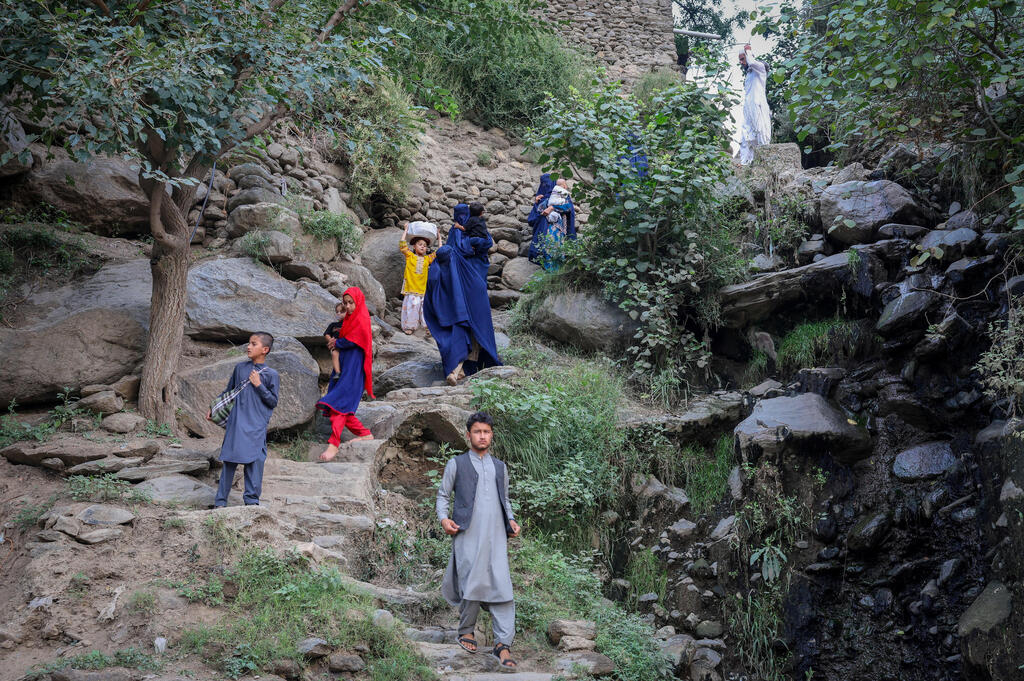
(Photo: REUTERS/Sayed Hassib)
Only a few women work in foreign aid rescue teams, and even they are prohibited from touching men in disaster zones. Since last year, women have also been banned from medical studies, further limiting their access to healthcare as the proportion of male doctors grows.
These policies, rooted in the Taliban’s interpretation of Islamic law, have compounded the challenges faced by women in the earthquake’s aftermath, highlighting a dire humanitarian crisis.