


Israel was not surprised by U.S. President Donald Trump’s announcement of “good and productive talks” with Iran and his decision to suspend, for five days, a threat to strike Iranian energy infrastructure, Israeli officials said Monday.
Iran quickly denied that any negotiations had taken place. Iran’s Foreign Ministry said no talks were held with the United States.
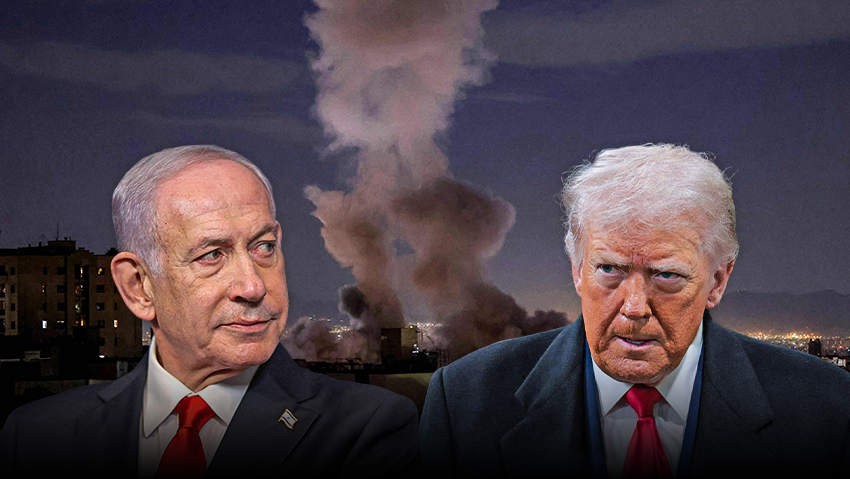
Israeli officials said that behind the scenes, intensive contacts have been underway between Washington and Tehran, both directly and through mediation by Qatar and Turkey, aimed at reaching a deal.
According to those officials, a potential framework under discussion would see Iran allow the reopening of the Strait of Hormuz in an initial phase, with the United States refraining from attacking Iranian power plants. A broader ceasefire would be pursued in a second stage.
Israel had supported the option of a large-scale strike on Iranian energy infrastructure, despite the expectation that Iran would retaliate against similar targets in Israel. However, a diplomatic official said Israel is expected to align with Trump’s decisions.
Officials said Trump has not removed the military option but rather paused it to allow time for negotiations, with the primary goal of securing the reopening of the strategic waterway and creating conditions to end the war.
The contacts have taken place through multiple channels, including talks involving U.S. envoy Steve Witkoff and Iranian Foreign Minister Abbas Araghchi, alongside mediation efforts led primarily by Qatar and supported by Turkey.
Danny Citrinowicz, a senior researcher at Israel’s Institute for National Security Studies, said the move reflects U.S. concerns about escalation.
“Trump blinked first, out of a clear understanding that striking Iran’s energy infrastructure would lead to significant retaliation,” he said.
Citrinowicz added that while messages have been exchanged, there is reason to doubt Iran has made concessions.
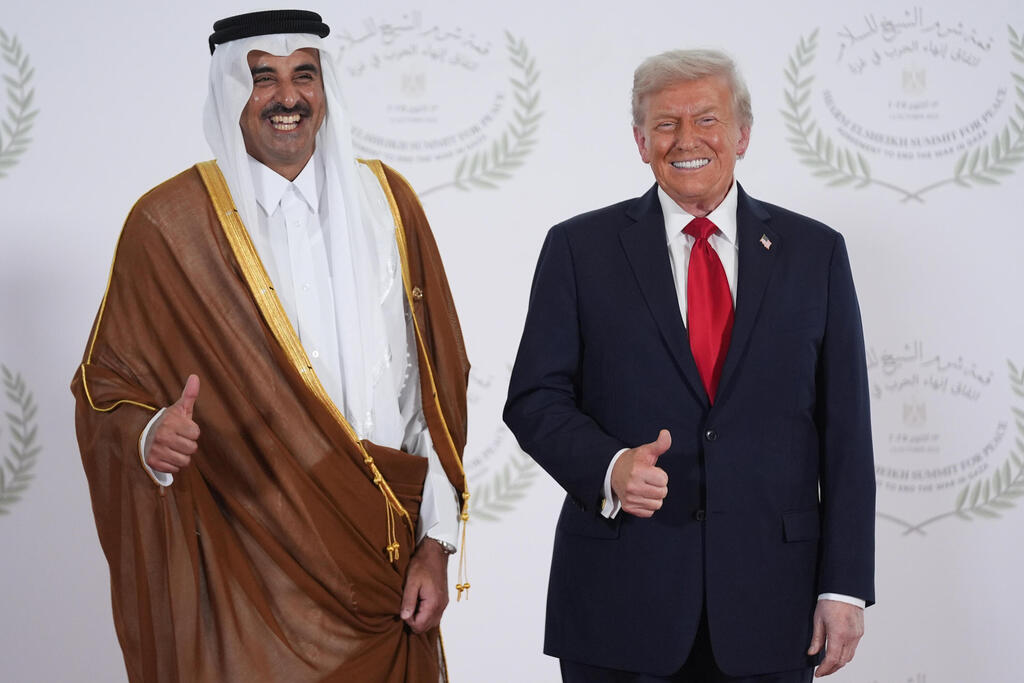
(Photo: Evan Vucci - Pool / Getty Images)
“From Tehran’s perspective, this is a notable achievement — they have not surrendered and may have forced Washington to recalibrate its goals,” he said, adding that the U.S. focus now appears to be shifting from regime change to reopening the strait.
“The bottom line is that the conflict is not over,” he said. “It is still evolving, but a path toward de-escalation has emerged.”
Qatar’s prime minister, Mohammed bin Abdulrahman Al Thani, held a call with Turkish Foreign Minister Hakan Fidan following Trump’s announcement. According to Qatari officials, the two discussed efforts to reduce escalation and return to negotiations, emphasizing the importance of safeguarding global energy security and freedom of navigation.
They also stressed the need for coordinated international efforts to prevent further deterioration and stabilize the region.