

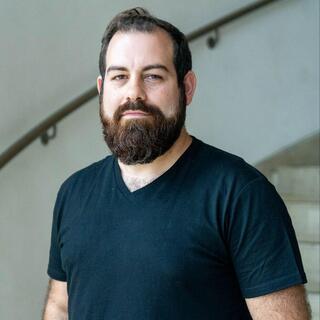
The state prosecution filed an amended indictment Thursday, adding Prime Minister Benjamin Netanyahu’s communications adviser, Jonatan Urich, to a high-profile case involving the leak of highly classified military intelligence to foreign media.
Urich is charged with disclosing and possessing classified information and destroying evidence, including allegations that he acted with intent to harm national security. The indictment, approved by the attorney general and the state attorney, also revises the factual details of the original complaint, legal provisions and adds additional prosecution witnesses.

The prosecution requested restrictive measures against Urich until the conclusion of the case. These include a ban on entering the Prime Minister’s Office, prohibition from accessing any secure facility where classified information is held and a ban on direct or indirect contact with other individuals involved in the case including suspects and witnesses.
The case centers on the alleged unauthorized transfer of highly sensitive military intelligence from Defense Forces intelligence systems. Reservists Eli Feldstein and Ari Rosenfeld were previously indicted for passing classified information to the Prime Minister’s Office, including intelligence on the Palestinian group Hamas. The materials were later published in Germany’s Bild newspaper after military censors barred publication in the country.
Prosecutors said Urich coordinated with Feldstein and Rosenfeld to scan and distribute classified documents to influence public debate over the handling of hostages held by Hamas and protests by families of the hostages. Feldstein reportedly gave Urich the documents in parliament and Urich scanned them for publication. Urich denies these claims.

Ari Rosenfeld and Eli Feldstein
(Photo: Yair Sagi, Moti Kimchi)
Feldstein was charged with disclosing classified information with intent to harm national security, possessing classified material and obstruction of justice. Rosenfeld faces five charges including disclosing classified information, obstruction of justice and theft by an authorized person.
Authorities said the actions of Urich, Feldstein and Rosenfeld revealed sensitive intelligence capabilities including the existence and operational methods of secret systems. Public disclosure could have caused serious harm to national security by exposing sources and methods critical to intelligence collection and saving lives.
Urich’s attorneys, Amit Hadad and Noa Milstein, called the indictment “wrong and detached from the evidence,” noting that a reviewing judge found no evidence implicating him. “Jonatan Urich acted lawfully and his only role was serving the prime minister,” they said.
The investigation was handled by the Lahav 433 unit, the national crime and security division.