


A court on Sunday sentenced a 35-year-old man to two years and four months in prison for his role in stealing sound equipment worth approximately 2 million shekels ($640,000) from the site of the Nova music festival massacre, just two days after Hamas terrorists killed hundreds of people there on Oct. 7, 2023.
San Tevel, a resident of the coastal city of Netanya, was the last of three defendants to be sentenced in the case, which involved the theft of equipment belonging to Matan Lior, a 35-year-old sound engineer who was killed during the attack after staying behind to help rescue others.
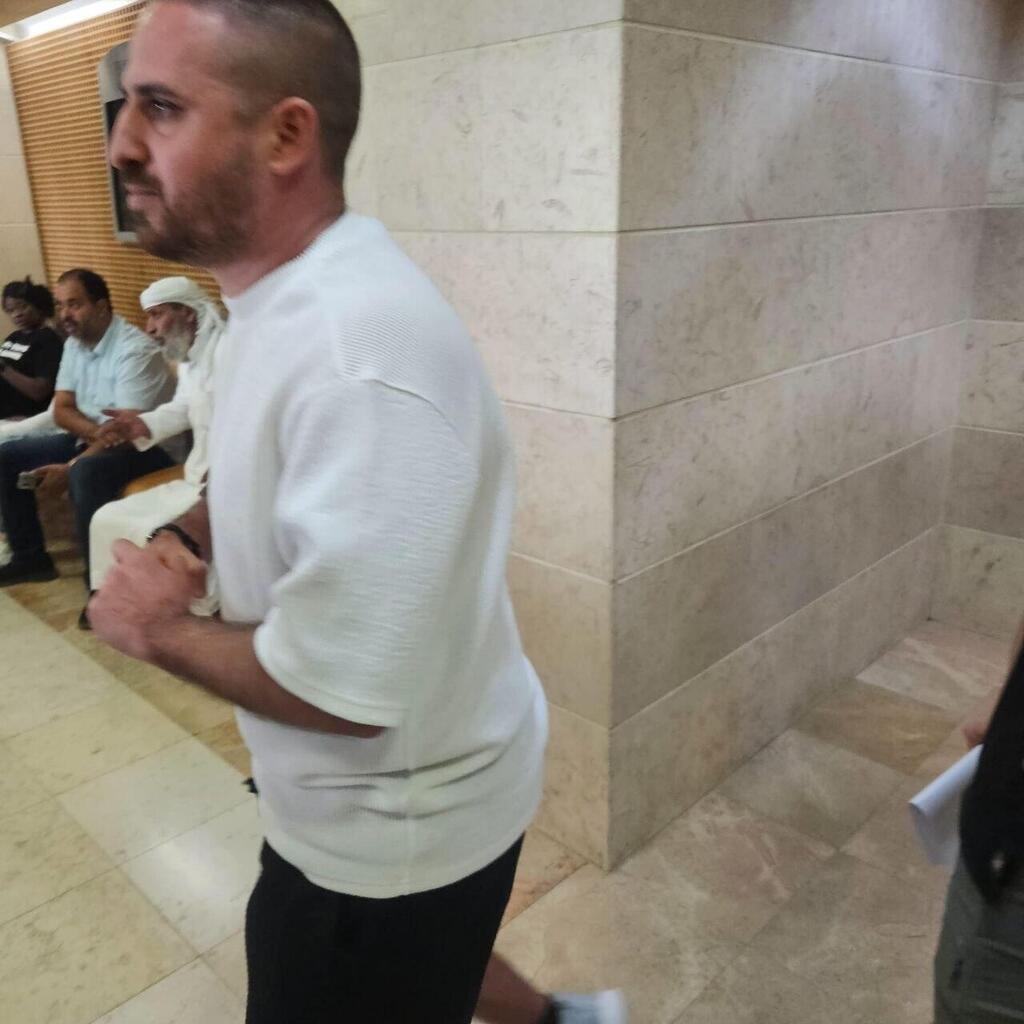
Tevel was also ordered to pay a fine of 10,000 shekels ($3,200) and compensation of 20,000 shekels ($6,400) to Lior's parents.
The sentencing concludes a case that has dragged on for nearly three years, marked by repeated delays, allegations of deception and unusually harsh judicial criticism of defendants who exploited the aftermath of one of the deadliest attacks in Israeli history.
The other two defendants, Ram Shaheen, 34, and Daniel Hasson, 30, both residents of Daliyat al-Karmel, a Druze town in northern Israel, were sentenced Oct. 7, 2026, exactly three years after the massacre.
Shaheen received seven years in prison, a fine of 60,000 shekels ($19,200) and an order to pay 75,000 shekels ($24,000) in compensation to Lior's parents.
Hasson was sentenced to 40 months in prison.
Shaheen was convicted of aggravated theft and aggravated fraud following a contested trial. The court found that he had lied and engaged in manipulative conduct throughout the proceedings.
Hasson and Tevel were convicted under plea agreements, each according to his role, of aiding aggravated theft and attempted aggravated fraud.
All three were arrested in November 2023.
Stolen equipment taken from a massacre site
According to the indictment, the defendants arrived at the Nova festival grounds near Kibbutz Re'im in southern Israel on Oct. 9, 2023, two days after Hamas-led terrorists stormed the outdoor music festival as part of their wider assault on southern Israel, killing hundreds of festivalgoers.
The defendants entered the festival site while the ground still bore the blood and ashes of the massacre, prosecutors said, intending to remove Lior's sound system, equipment he had spent years building and which represented his life's work.
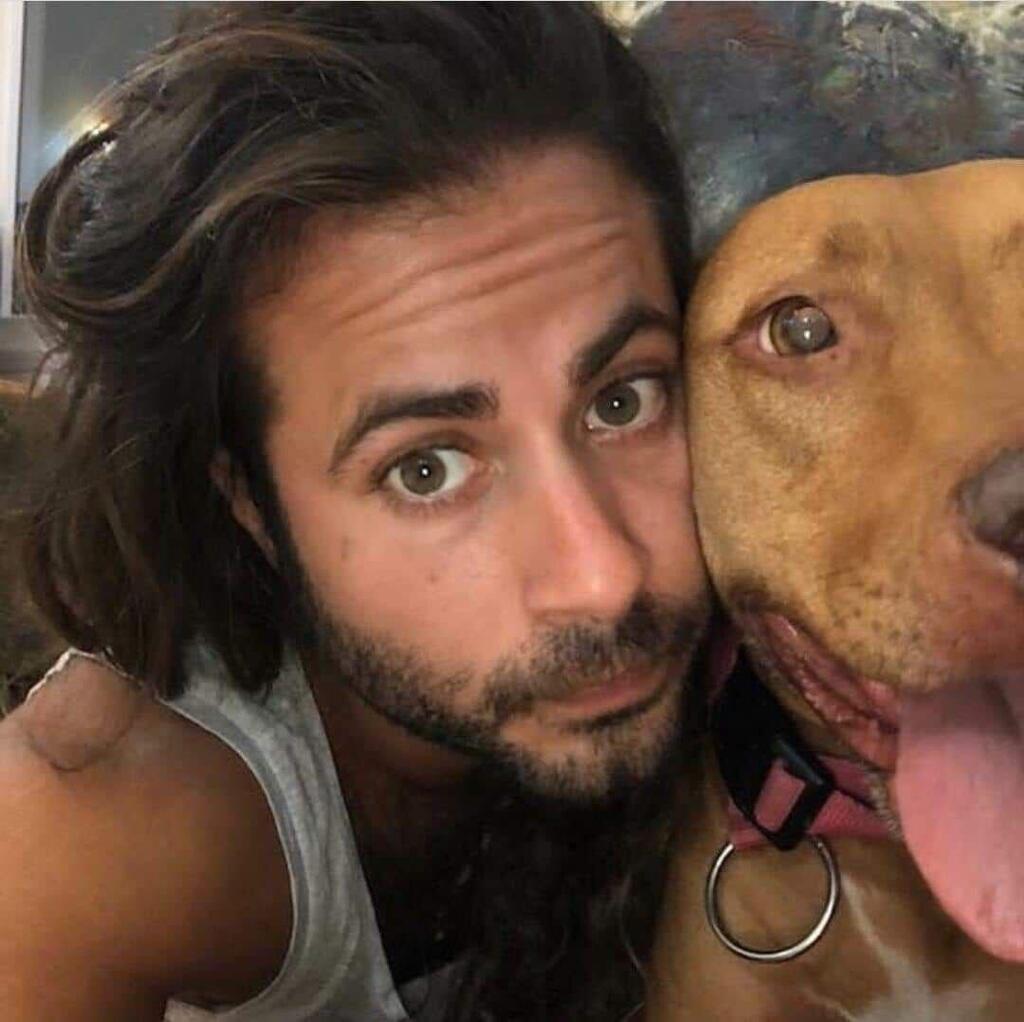
Sound engineer Matan Lior
(Photo: Courtesy of the family)
They allegedly claimed they had come to collect equipment belonging to a missing friend.
Using that explanation, they loaded Lior's sound system and generator onto a truck.
One of the defendants subsequently falsely presented himself to police as Lior's business partner, according to the indictment, persuading authorities to release the truck and its cargo.
The defendants later visited Lior's grieving parents during shiva, the traditional Jewish seven-day mourning period.
While visiting the family, they joined Lior's friends in searching for the very equipment they had stolen.
The deception added another layer of anguish for Lior's family, which was still struggling to understand what had happened to him in the chaotic aftermath of the Hamas attack.
Judge condemns 'extreme moral depravity'
In sentencing Shaheen and Hasson last month, Judge Amir Doron of the Be'er Sheva Magistrate's Court delivered a scathing condemnation of the defendants' actions.
"The morning of October 7, 2023, was etched into the history of the State of Israel as a day of darkness, when young people were murdered, including the late Matan, who remained behind to save others until he fell," Doron said.
"While the victims' blood was soaking into the killing fields, while the entire nation was in mourning, the defendants chose to exploit the suffering of others and steal abandoned property for financial gain.
"This is an act of extreme moral depravity without parallel. In a place where human compassion was called for, the defendants displayed complete indifference. Their actions amounted to an outrage at the country's darkest hour."
Doron also noted that the investigation into their crimes diverted valuable public resources at a time when authorities were grappling with the aftermath of the massacre.
The court found that Hasson had attempted to trade in Lior's stolen property, describing his actions as demonstrating a profound lack of sensitivity.
"The defendants sought to profit from the disaster, and the court must send a message that anyone who desecrates the dignity of the dead will face the full force of the justice system," the judge said.
The sentences were described as precedent-setting because of the exceptional circumstances surrounding the theft.
Repeated delays prolong family's ordeal
The legal proceedings were also marked by repeated delays, particularly involving Tevel, whose sentencing was postponed several times.
During Sunday's hearing, Doron criticized Tevel for repeatedly failing to appear in court.
"The defendant did everything he could to avoid attending hearings, even after a warrant was issued to compel his appearance," the judge said.
Doron acknowledged Tevel's reported disability but noted that the documentation presented to the court was no longer valid.
"I took into account that you have a 60% disability, even though the certificate is no longer valid," he said.
Tevel had repeatedly offered explanations for his inability to attend hearings, frequently citing medical problems.
On more than one occasion, however, he complained of health difficulties only to post photographs of himself attending outdoor music parties on social media the following day.
Defense attorneys also repeatedly notified the court at the last minute that they would not attend scheduled hearings.
During Sunday's proceedings, Tevel's attorney again disappeared before the sentence was read.
For Lior's parents, every postponement meant another painful return to the circumstances surrounding their son's death and the theft of his property.
"Behind every hearing and every postponement stands a bereaved family forced to gather its strength and confront once again what was done to their son's property after he was murdered," Lior's father, Ofer, said.
"The wait was difficult and exhausting, and every postponement prolonged it and added to the pain," he said.
"Matan stayed behind to save people, and while we were searching for him and trying to understand what had happened to him, others were busy stealing the equipment he had built through hard work and with so much love."
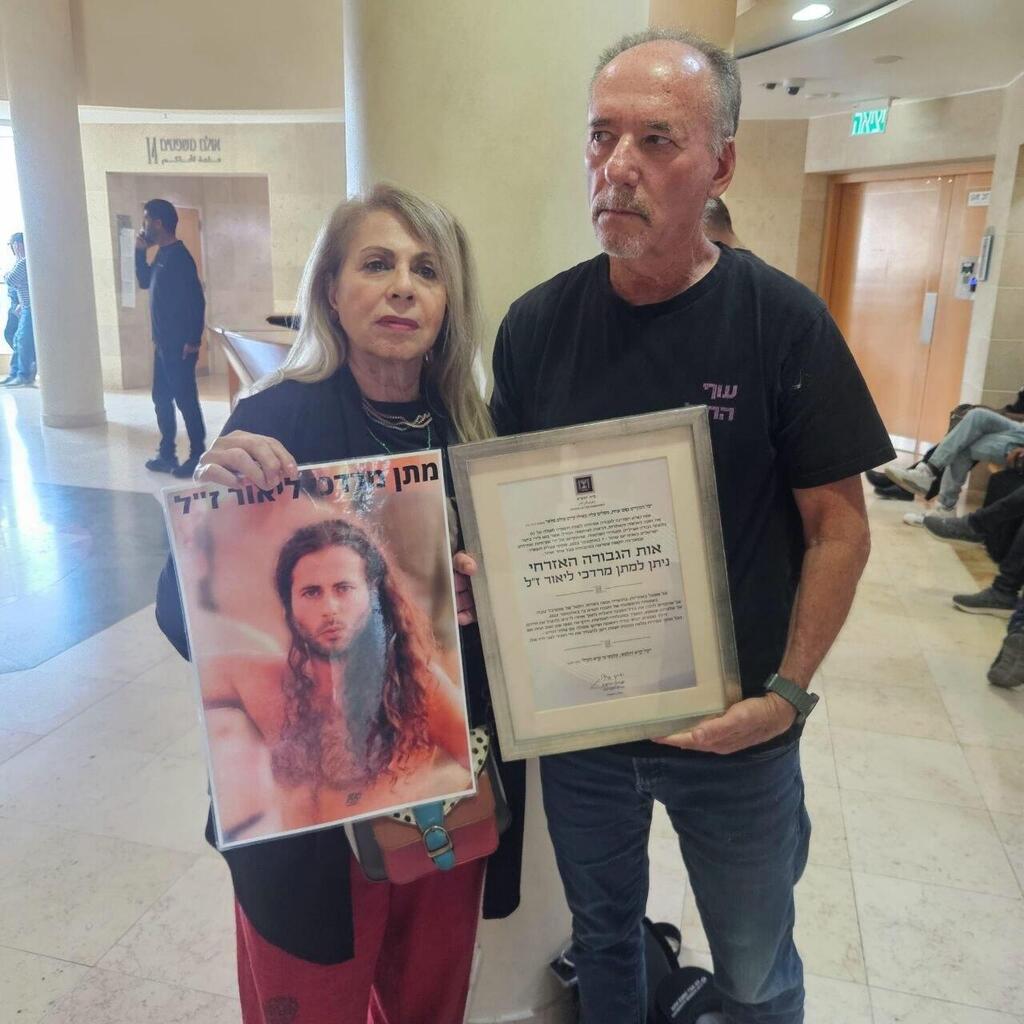
Matan Lior's parents, Sara and Ofer
Lior's mother, Sara, expressed similar anguish ahead of the Oct. 7 sentencing of Shaheen and Hasson.
"These are despicable people. As far as I'm concerned, they aren't human beings," she said.
"They came after the massacre, with the smell of bodies and burned cars still in the air, and they didn't care."
A sound engineer who stayed to save lives
Matan Lior was 35 when he was killed in the Hamas-led attack on the Nova festival.
Rather than fleeing immediately when the assault began, he remained at the site to help others escape.
His actions were later recognized by President Isaac Herzog, who posthumously awarded him a civilian medal for bravery.