


Iran on Sunday denied that it had reached any agreement to reopen the Strait of Hormuz, directly contradicting U.S. President Donald Trump hours after he canceled a planned strike and announced that the outlines of a deal had been reached.
“There is no agreement on reopening the Strait of Hormuz,” Iran’s regime-linked Fars news agency reported. “As long as the United States continues its hostile actions, the strait will remain closed.”
Gallery
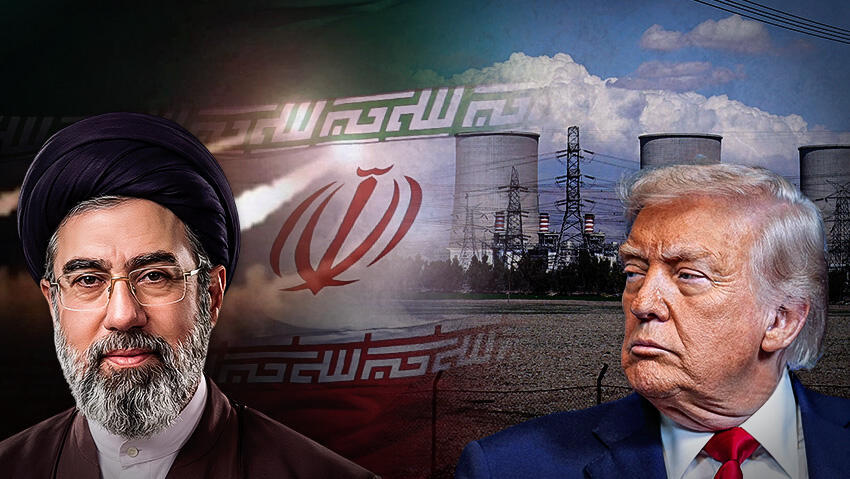
Iran says 'there is no agreement on reopening the Strait of Hormuz
(Photo: shutterstock, AP/Alex Brandon, AP/Francisco Seco)
A senior Iranian military source told the agency that ships would be permitted to pass only through a designated route and with authorization from the Islamic Revolutionary Guard Corps Navy.
The statement marked another sharp clash between Trump’s public account of negotiations and Tehran’s version of events.
Trump announced early Sunday that he had called off a planned American attack after Iran and several other Middle Eastern countries asked Washington to refrain from striking and said that the basic parameters of a possible agreement had been settled.
“The U.S.A. is locked and loaded and ready to go against the Islamic Republic of Iran, at levels of Military Terror, Strength, and Power not seen since World War II,” Trump wrote on Truth Social.
“Despite this, we have just been asked by Iran, and other Middle Eastern Countries, to hold off any attack in that the perimeters of a deal has been agreed to.”
Trump said the emerging understandings would include the “immediate, complete, and total opening” of the Strait of Hormuz and an end to Iran’s nuclear threat.
“Based on this request, I have agreed, for the future benefit of the world and, likewise, the survival of a successful and prosperous Iran, to cancel the attack, subject to being able to rapidly make a deal,” he wrote.
Trump also said Israel had agreed to refrain from acting.
“The country of Israel joins me in this commitment,” he wrote, urging all sides to “get to work” and complete the agreement.
Israel has not publicly confirmed Trump’s claim.
No details have been released about the proposed terms, a timetable for negotiations or what concessions Washington and Tehran would receive.
Iran has repeatedly denied Trump’s announcements in recent months that understandings had been reached.
Ali Abdollahi, commander of the IRGC’s Khatam al-Anbiya emergency headquarters, warned regional countries Saturday that the United States was moving rapidly toward igniting a wider war.
“Any country that serves as a shield for the enemy will burn in the fire of war,” he said.
Trump’s announcement came after reports that he was seriously considering broad strikes against Iranian energy facilities and infrastructure.
U.S. officials said no final order had been issued, but military action was under consideration following Iran’s attempted strike on an American base in Jordan and continued disruption to shipping through the Strait of Hormuz.
Saudi Crown Prince Mohammed bin Salman reportedly worked behind the scenes to prevent the attack.
According to reports, he warned Trump that U.S. strikes on Iranian energy facilities could trigger retaliation against oil and gas infrastructure in Saudi Arabia and other Gulf states.
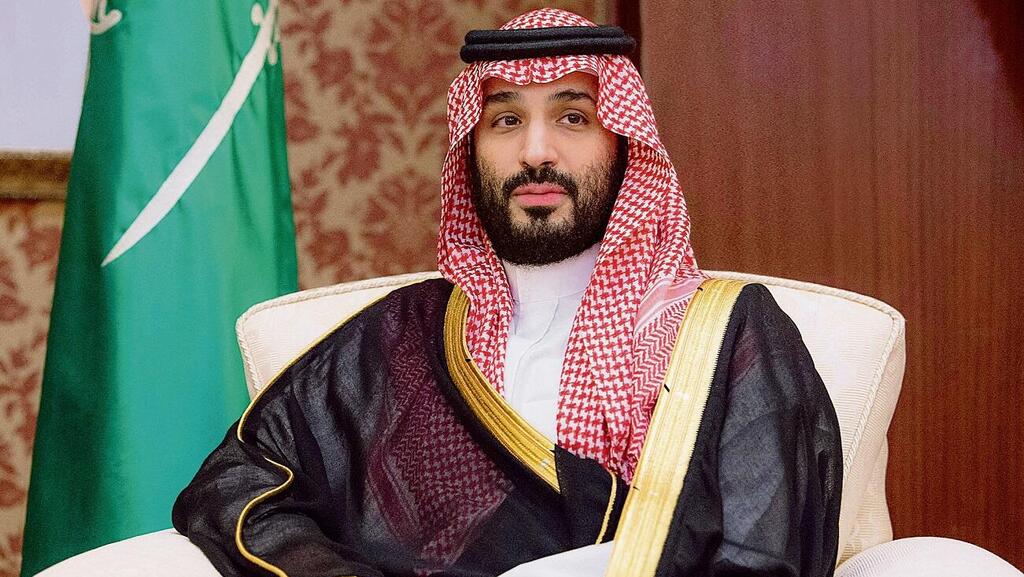
Saudi Crown Prince Mohammed bin Salman
(Photo: Reuters)
Qatar, the United Arab Emirates, Turkey and Pakistan also sought to promote de-escalation and renew negotiations.
Iran, meanwhile, warned that it would respond forcefully to any new American or Israeli attack.
Iranian Foreign Minister Abbas Araghchi said Tehran could target energy facilities and infrastructure in Israel, Saudi Arabia, the United Arab Emirates and Qatar, raising fears that another strike could ignite a far broader regional conflict.
Araghchi also spoke overnight with Saudi Foreign Minister Faisal bin Farhan. According to an Iranian account, they discussed what Tehran described as U.S. and Israeli “plots and attacks” in the region.
Araghchi said Iran would defend its sovereignty, territorial integrity and national security, warning that any U.S. or Israeli military action, or involvement by another regional state, would be met with a “decisive response.”
Countries participating in an attack, he said, would “bear responsibility for all the consequences.”
For now, the dispute leaves the central issue unresolved: Trump says an agreement is taking shape, while Tehran says no agreement exists and the Strait of Hormuz will remain closed.