

A year after the ceasefire in southern Lebanon, the IDF believes Israel is nearing its biggest test yet of the “zero tolerance” policy set after the Oct. 7 massacre. Military officials say Israel is likely on the verge of a short, preemptive operation meant to deter Hezbollah terrorists and further erode their growing capabilities.
Senior officers say the almost daily offensive activity by Northern Command and the Air Force in recent months has not stopped Hezbollah’s military buildup, especially in villages farther from the border. Nor have the roughly 1,200 ground raids that Galilee Division troops carried out over the past year, operations revealed to ynet and Yedioth Ahronoth.
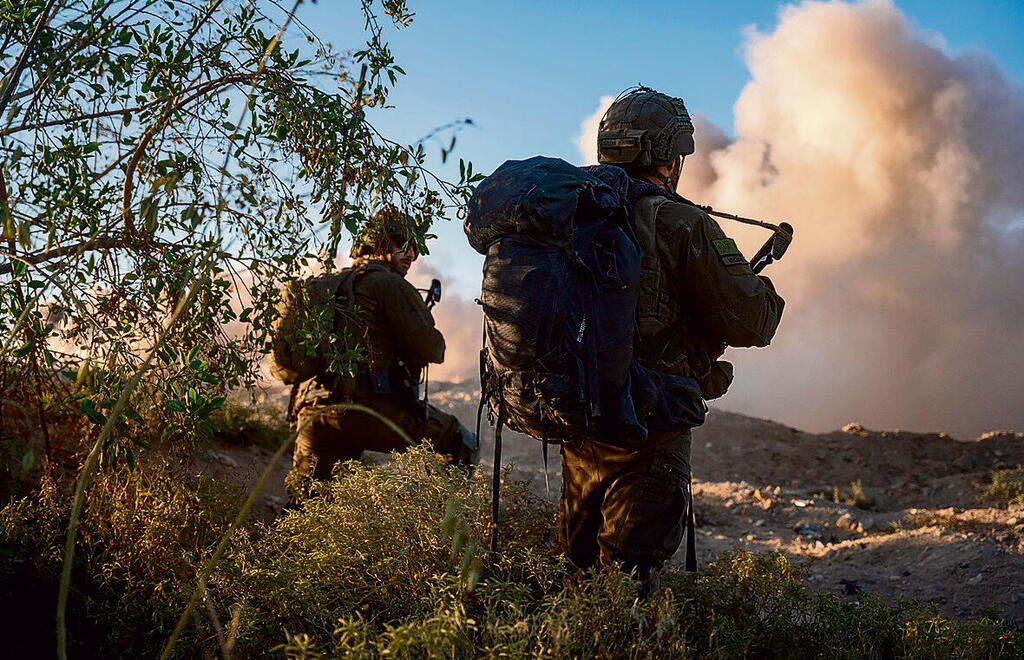
Those 1,200 missions took place in and around 21 frontline villages in southern Lebanon, most of them Shiite, where IDF forces conducted overt and covert patrols, ambushes, and targeted destruction of buildings or shafts intended for terrorism that were not discovered during Operation Northern Arrows, which ended a year ago.
The pace has been unprecedented along the 140-kilometer border from Rosh HaNikra to Mount Dov: three to five raids a day on average, extending three to five kilometers into Lebanon and sometimes reaching the second line of villages.
The IDF kept these numbers under the radar throughout the past year to avoid provoking Hezbollah, though the group is fully aware of each operation. After forces complete a raid—even inside a village—Lebanese tractors often arrive within hours to clear rubble. Air Force drones then strike those vehicles, with the IDF saying they are used by Hezbollah operatives.
Only a few senior officers now serving in the Galilee Division and Northern Command still remember Lebanon’s security zone in the late 1990s as young platoon or company commanders. So far, they have avoided a return to the close-range ambushes and roadside bombs that were a weekly occurrence between the Beaufort and Reihan and between Sujud and Taybeh.
Officers attribute this to an offensive mindset shaped by lessons from the years after the 2006 Lebanon War. Between 2006 and 2008, Hezbollah launched a major reconstruction program in the south, but IDF officials say it also embedded tunnels, firing positions and anti-tank and sniper posts under newly rebuilt homes.
“Entire terror villages were created between 2006 and 2011,” an IDF official said, “prepared for the next war without any action on our part. Later, they built Radwan force invasion posts right on the border. That was supposed to be their advantage on the day of battle, but it turned against them when we destroyed that capability during Northern Arrows and in the follow-up missions from November 2024 until the agreement began taking effect in February.”
A looming dilemma
The IDF acknowledges the dilemma it may face if Israel orders a preemptive operation in Lebanon. Tourist cabins in the Galilee were packed over the recent holidays, hikers and farmers enjoyed quiet days, and even European soccer and basketball games may return to Israel because of the relative calm.
All of that could be shattered within days by rocket fire on Haifa, missiles toward Tel Aviv, explosive drones hitting the Galilee, and attack UAVs targeting strategic sites in the north. Hezbollah still holds enough of those systems, even after losing many top commanders.
“The operation against Hezbollah was meant to deter, not to decisively defeat them like Hamas,” said a senior officer involved in high-level decision-making until last year.
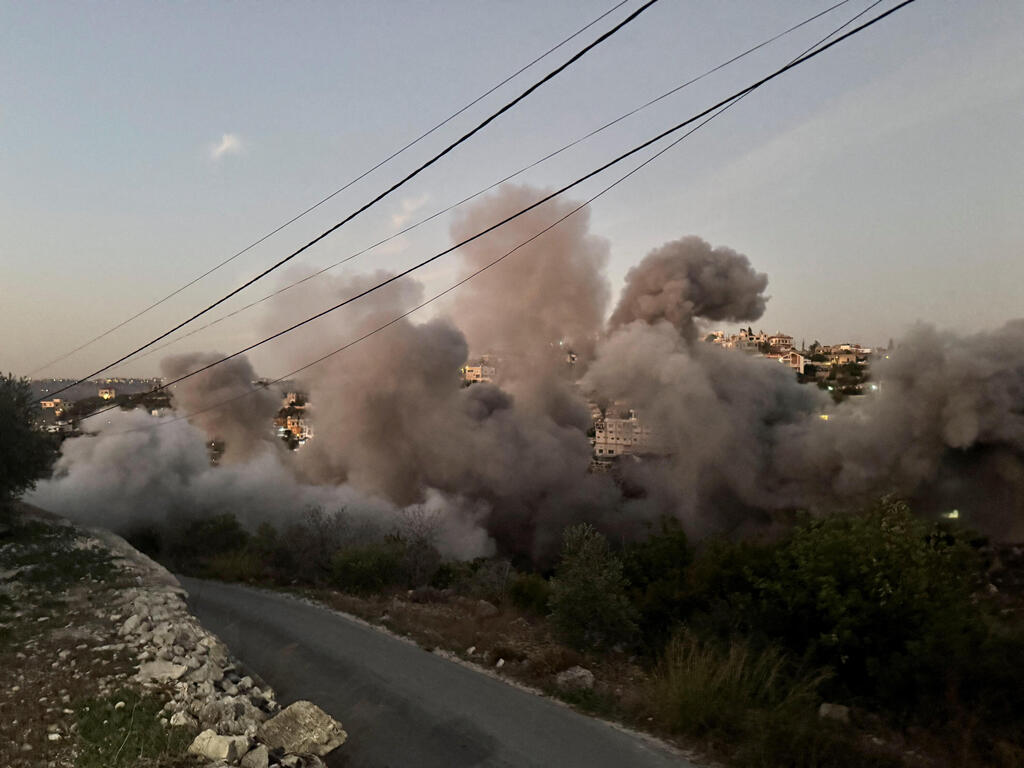
IDF strikes in southern Lebanon
(Photo: REUTERS/Ali Hankir)
The IDF has been able to conduct these ground missions near the border almost without friction, similar in scale to nightly operations in the West Bank. The frontline villages still stand largely empty; reconstruction has not begun, and fuel, water and electricity infrastructure remain damaged due to ongoing Israeli enforcement. As a result, most Lebanese civilians have not returned to the border area.
What began after Oct. 7 as missions carried out by elite units has shifted, as confidence grew, to mostly reserve battalions performing the bulk of the 1,200 operations over the past year.
“It’s impossible to defend a community like Manara only from the border fence,” an IDF official said. “That’s why we operate constantly on the Lebanese side, on the ground and in the air. Local mayors know this and urge us not to stop, even when they hear the explosions from Lebanon.”
The official added that the priority is ensuring that within five to ten kilometers of the border no terrorist infrastructure is rebuilt. “Hezbollah excels at returning in civilian disguise to observe and track. This time must not repeat 2006. If we see an armed man seven or ten kilometers away, we eliminate him immediately, after confirming he isn’t a UNIFIL observer or Lebanese soldier.”
‘We’re in a shaping period’
IDF forces in the Galilee Division now operate with two and a half times the manpower and equipment they had before Oct. 7, and commanders expect this to continue for years. Units rely heavily on advanced drones that fly around the clock and monitor dead zones unreachable by static or mobile observation.
“If there’s a shepherd or supposed civilian wandering around, we don’t let them move freely,” the IDF said. “We immediately carry out a suspect-arrest procedure, and in some cases detain them for questioning. We’re in a shaping period. If Lebanon doesn’t implement real steps to limit Hezbollah, we’ll have to remain active and aggressive in the coming years, even at a cost to us.”
Northern Command officials warn decision-makers not to return to the pre-Oct. 7 mindset of deniable, limited operations that Israel hesitated to claim. They cite the humiliation of past incidents on Mount Dov—Hezbollah’s tent outpost and infiltrating sniper-terrorists—during the two years before Oct. 7.
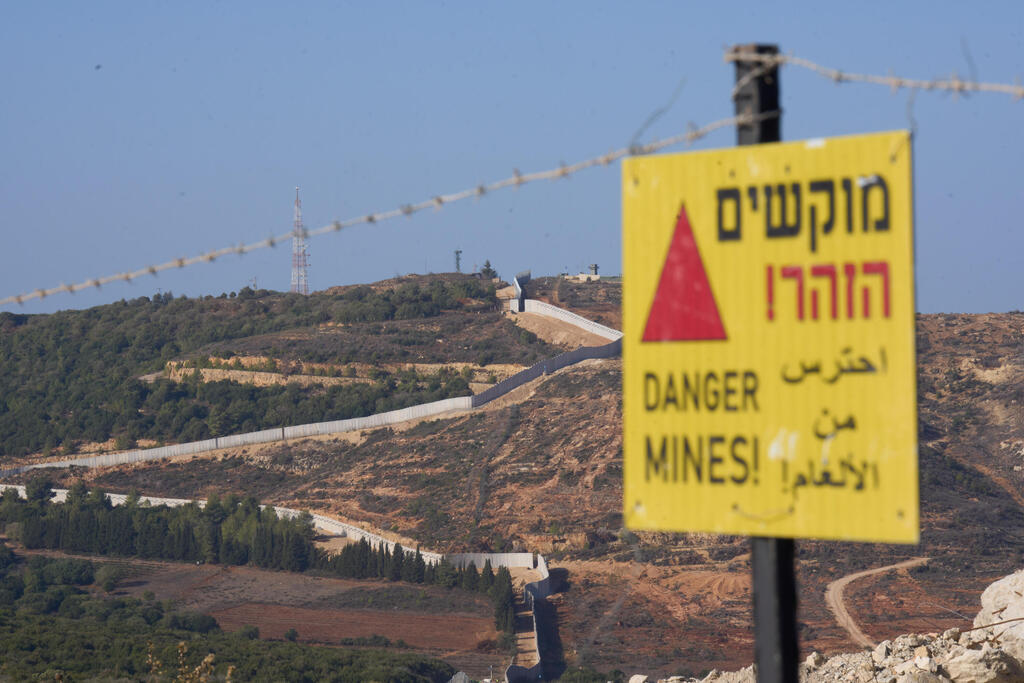
(Photo: AP Photo/Ariel Schalit)
The Galilee Division has killed roughly 100 Hezbollah terrorists in recent months, out of about 350 eliminated since the start of the year, without Hezbollah responding even once.
Commanders are encouraged by the expected dismantling of UNIFIL, which they say has hindered more than helped Israeli security efforts. The Lebanese Army will remain in the south with four battalions, which occasionally receive orders to dismantle rocket launchers or collect Hezbollah weapons. But when those missions are led by Shiite officers, they often fail or are not carried out at all.
“We showed the Americans 350 locations with Hezbollah terror infrastructure near the border that we dealt with over the past year,” an IDF official said. “We don’t rely on the Lebanese Army in those areas.”
“The major long-term achievement must be disarming Hezbollah,” the official added. “That may not be achieved by military force alone. We shouldn’t fall in love with the current situation. Diplomatic and military pressure must continue. Hezbollah is still militarily stronger than the Lebanese Army, and we must work to reverse that.”