

Former Israeli hostage Evyatar David has described the starvation, psychological abuse and lasting trauma he endured during 738 days in Hamas captivity, telling CNN in his first international media interview since his release that he still wakes from nightmares and is struggling to rebuild his life.
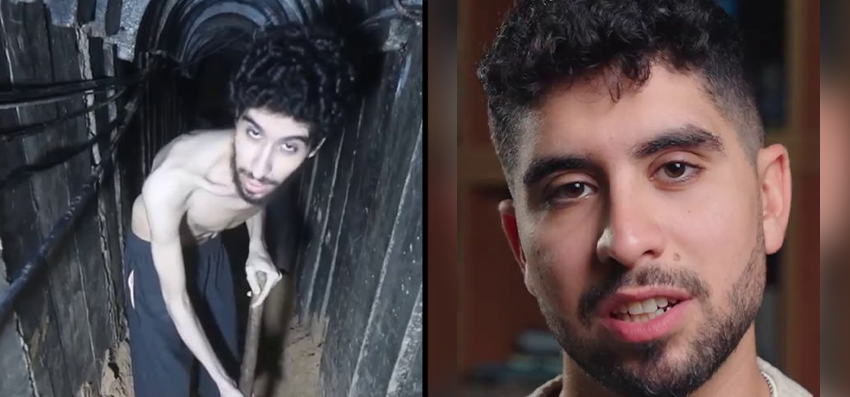
One year ago, David appeared emaciated in a Hamas propaganda video, gripping a shovel inside a concrete tunnel and digging what he said was his own grave. This month, the 25-year-old stood smiling at his older brother Ilai’s wedding, playing guitar alongside his sister as the couple exchanged vows. “They tried to ruin our [lives] and our families’ lives and eventually they didn’t manage to ruin everything,” said David.
He pointed to the wedding of fellow former hostage Eliya Cohen as another powerful symbol of survival. “It’s the biggest closure and a huge moment of victory,” he said.
David was 22 when he was abducted from the Nova music festival during the Hamas-led October 7, 2023, attack on Israel, together with his childhood friend Guy Gilboa-Dalal. Two other friends in their group were killed in the attack.
David and Gilboa-Dalal were taken to Gaza and spent most of their captivity together underground. David was among the final 20 living Israeli hostages released from Gaza on October 13, 2025, after 738 days in captivity, as part of a U.S.-brokered ceasefire agreement.
In the months after his return, he largely stayed out of public view and focused on rehabilitation. Last month, before giving his first interview to Israeli television, he disclosed on social media that he was suffering from post-traumatic stress disorder and other psychological effects.
“It can surprise me any time, one hour I can be fine and happy, and next I can remember something from captivity, and get flashbacks. I wake up at night with nightmares, and it affects me all day after that. It’s very unstable and random,” he told CNN.
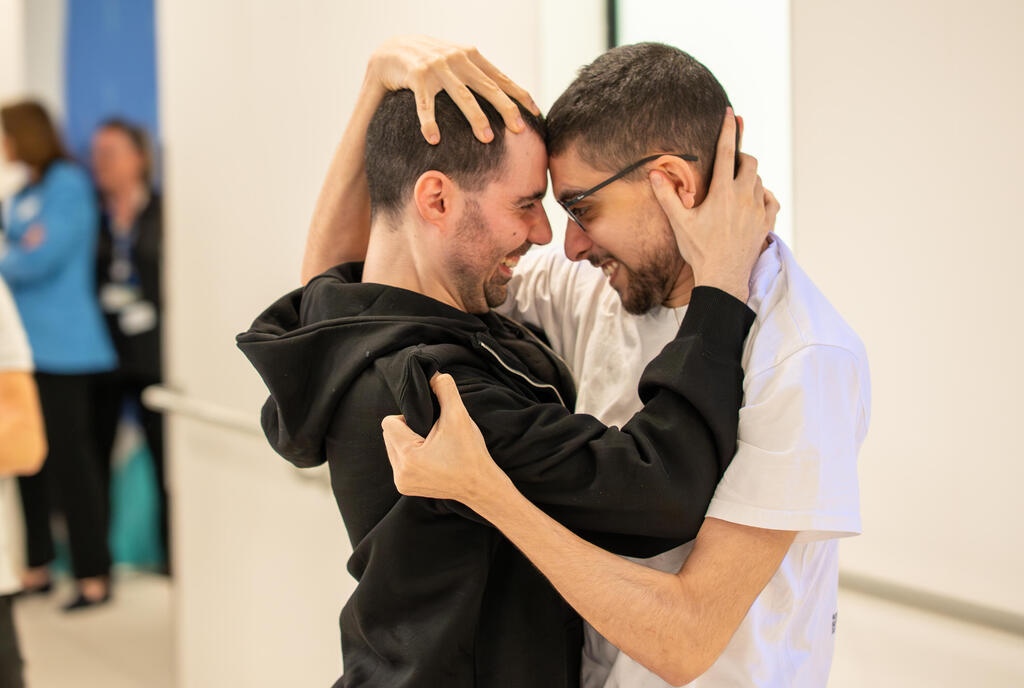
Guy Gilboa-Dalal and Evyatar
(Photo: GPO)
‘Maybe you are going to die from starvation’
David described what he called “extreme starvation” during captivity, saying conditions deteriorated particularly sharply in the months before Hamas filmed the August 2025 propaganda video.
“The starvation – beyond the lack of food and physical feeling that you’re always hungry – is the mental feeling that you have nothing to eat, and you don’t know if you will have food in one hour, tomorrow, two days, you have no idea what is going to happen and maybe you are going to die from starvation,” he said.
The constant hunger, he said, created psychological pressure and even caused tensions among the hostages themselves. David said his captors selected him to appear in the propaganda video after comparing his physical condition with Gilboa-Dalal’s. Because he looked worse, he said, “they decided I would be the actor of the video.”
“It’s all staged, but it relies on the truth – we didn’t eat for three months,” he said. “Everything I say and do there – they told me to do it. You can see my body, I could barely move, when I tried to dig the grave, just to hold the shovel was almost impossible, probably the hardest physical thing I ever did.”
David said he told his captors that he had nearly collapsed, but they ignored him. “I could hear them laughing, eating cakes and drinking tea, like there is nobody walking next to them that looks like a skeleton,” he told CNN.
He said the guards themselves had food, air conditioning and access to television. “They told us there is no food in Gaza, but we knew it’s not true ‘cos we always saw the terrorists – they were fat and had muscles. We knew they were lying and starving us.”
Evyatar digging his grave in a video released by Hamas


The grave-digging video was not the first time Hamas had used David for propaganda. In February 2025, he and Gilboa-Dalal were taken to the staged release ceremony of two other hostages and filmed pleading for their own freedom. Hamas later released the footage, in what hostage families described as psychological terror.
David said one of the things that kept him going underground was the knowledge that his family was waiting for him, along with the belief that even in terrible circumstances, things could always become worse. “No matter how bad our conditions were, it could always get worse, so you can always find good things,” he said.
“When you feel at your lowest is the perfect time not to give up, because that’s the point that can break you. Once you understand that and don’t let it break you, you can find yourself in a better place. It doesn’t matter what you have been through – don’t give up when you feel you are going to break because this is where the turning point can be.”
Nearly a year after his release, David says his recovery remains difficult. He described himself as a “regular person” before his abduction. “Now it’s very different. It still takes time to process all this,” he said, “I’m trying to understand how to do good rehab and help myself with this.”
His family and friends have launched a crowdfunding campaign to help fund his rehabilitation. David said he believes the Israeli government does not provide former hostages with enough assistance.
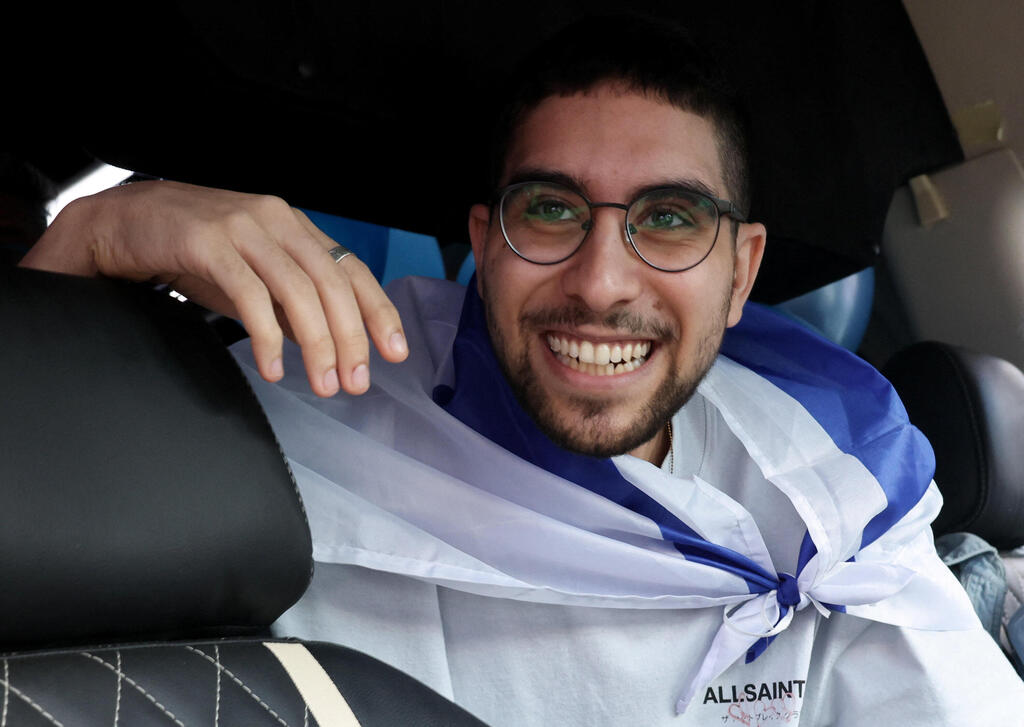
Evyatar returning home
(Photo: REUTERS/Nir Elias)
“I hope the next government will do better, I don’t know who it’s going to be, but I trust they will do better.”
Music has become one of his most important tools for coping. While he was in captivity, David’s siblings organized weekly jam sessions in his honor at Hostages Square in Tel Aviv. Since his return, music has remained central to his recovery.
“If I feel sad or upset, it’s one of the best things I can do if I want to run from my thoughts and feel calm and unstressed. I don’t know what I would do without music.”
Speaking about his captivity also helps, David said. He and his older brother are planning to travel to the United States next month for a series of public appearances.
“It’s very important for us to keep our stories alive and that people understand and remember what we’ve been through,” he said. “The world needs to know what happened and can’t forget about it.”