


Iran has resumed large-scale production of ballistic missiles roughly six months after its 12-day conflict with Israel, a senior IDF representative told lawmakers in a closed meeting of the Knesset Foreign Affairs and Defense Committee.
According to several participants in the briefing, the IDF official said Iran is restoring its missile capabilities at a rapid pace. Lawmakers also asked whether the military has a ready plan to defeat and dismantle Hamas should U.S. President Donald Trump’s Gaza proposal collapse. The official replied that the IDF is drafting such a plan, which is currently in “design stages.”
Iranian Navy militay exercise


Committee members were told that Trump remains determined to move to phase two of his Gaza plan by Christmas, while Hamas is using the ceasefire period to rebuild its capabilities — training, doctrine, weapons manufacturing and more. The official also said Turkey is pressing Washington to take part in an international stabilization force for Gaza, but Israel opposes such involvement and the issue remains disputed.
The warning in Jerusalem came as Iran showcased new military activity. On Friday, Tehran announced a large naval drill by the Islamic Revolutionary Guard Corps in the Persian Gulf, involving ballistic missiles, cruise missiles and drones. Iranian state media said missiles struck mock targets in the Gulf of Oman “with high accuracy,” and that drones hit simulated “enemy bases.” Press TV claimed Iranian vessels also issued warnings to nearby U.S. ships on the drill’s first day.
The IRGC Navy said the exercise emphasized expanded use of artificial intelligence technologies and the force’s “uncompromising resistance” to threats.
Earlier this month, Iran also hosted a separate multinational exercise with members of the Shanghai Cooperation Organization in East Azerbaijan province. Iranian outlets described the drill as counterterrorism training meant to signal “peace and friendship” to neighboring states, while warning adversaries — including Israel — that “any miscalculation” would prompt a forceful response.
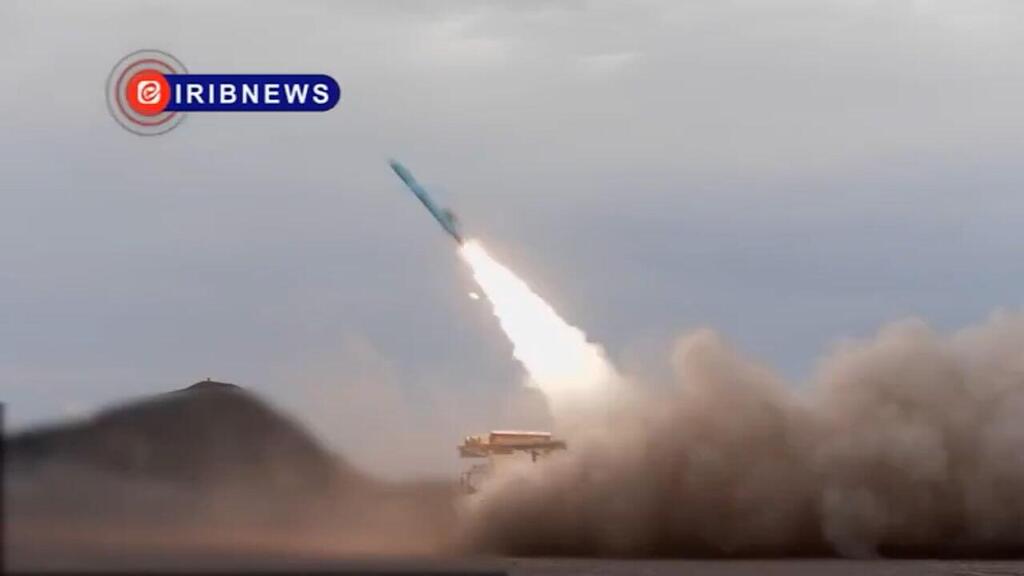
The spike in Iranian military drills has intensified questions about the country’s broader strategic intentions, particularly its efforts to rebuild the ballistic missile arsenal severely damaged during its confrontation with Israel in June. Washington and Jerusalem have said they struck Iranian nuclear facilities during that period, while Tehran denies its program was crippled and has offered limited information on what survived.
Western diplomats have also raised concerns in recent weeks that Iran is attempting to accelerate its missile recovery. Last month, officials familiar with regional intelligence assessments said Iran had begun producing missiles using older manufacturing methods after Israel destroyed its planetary mixers — key components in missile production. According to those officials, Iran intends in any future clash to launch hundreds of missiles at once, potentially 500 to 1,000.
Despite Israeli messages relayed through Western intermediaries indicating Jerusalem does not seek another direct military exchange, Iranian officials dismissed those assurances as deceptive, the diplomats told reporters. “This increases the risk of miscalculation,” one said.
The diplomats added that while Iran does not appear to be rapidly advancing its nuclear program, its “top priority” is restoring the ballistic missile project — a capability that Israeli and U.S. officials say would significantly shape the outcome of any future confrontation.