


The Israel Defense Forces remains on high alert across all fronts amid the possibility that the United States will carry out its strike plan against Iran.
At the same time, the military is undertaking preparatory steps, some operational, to create more favorable conditions for forces in the event of a broader campaign. Over the past week, troops from the 91st Division operating in southern Lebanon destroyed four structures used by Hezbollah. The IDF said the use of those buildings for terrorist infrastructure constituted a serious violation of the understandings between Israel and the Lebanese state.
IDF strikes in Lebanon
(Video: IDF)


Division forces are also conducting cross-border ground activity in the security zone as part of enforcement efforts. The move is intended to thwart, as much as possible, potential cross-border raid threats from the north. Troops continue to defend five positions deployed in the security zone in southern Lebanon, as well as posts along the border and inside Israeli territory.
“We have operational plans for immediate action and forces deployed along the border and within the area,” the IDF said.
Security officials have described the potential confrontation, if it materializes, as “multi-front,” involving adversaries from near and far. Assessments indicate that the Houthis in Yemen are highly likely to join the fighting, primarily through rocket fire and drone launches.
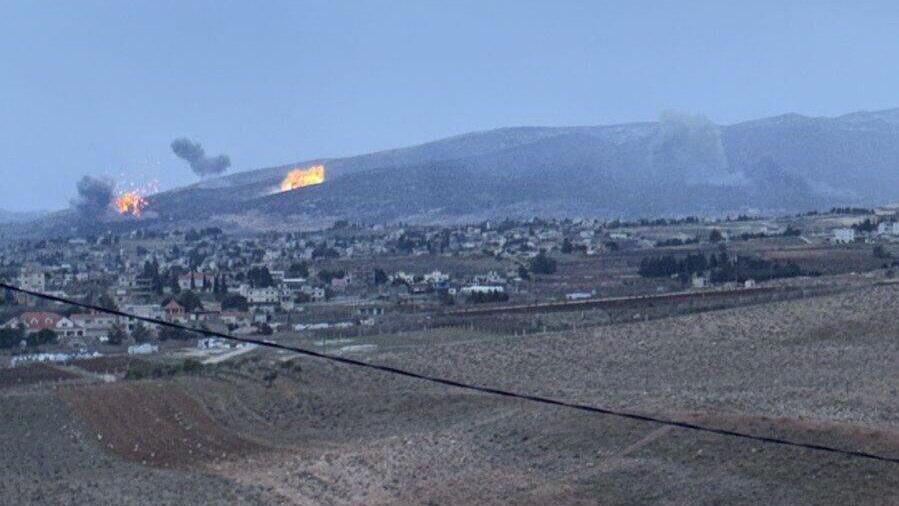
The situation with Hezbollah is more complex. The Shiite terrorist organization has not yet decided whether to act against Israel. Current assessments suggest that, at least initially, Hezbollah will prefer to remain outside the fighting.
Pro-Iranian militias in Iraq could also join the conflict. Hamas in Gaza may consider launching limited rocket fire toward Israeli territory. “Ultimately, this is an American matter, unlike Operation ‘With the Might of a Lion,’ and therefore we are on full alert for any scenario that may unfold,” a military source said.
In recent weeks, the IDF has also mapped potential cross-border raid threats from all fronts. According to current assessments, a large-scale infiltration on the scale of the October 7 massacre is considered unlikely.
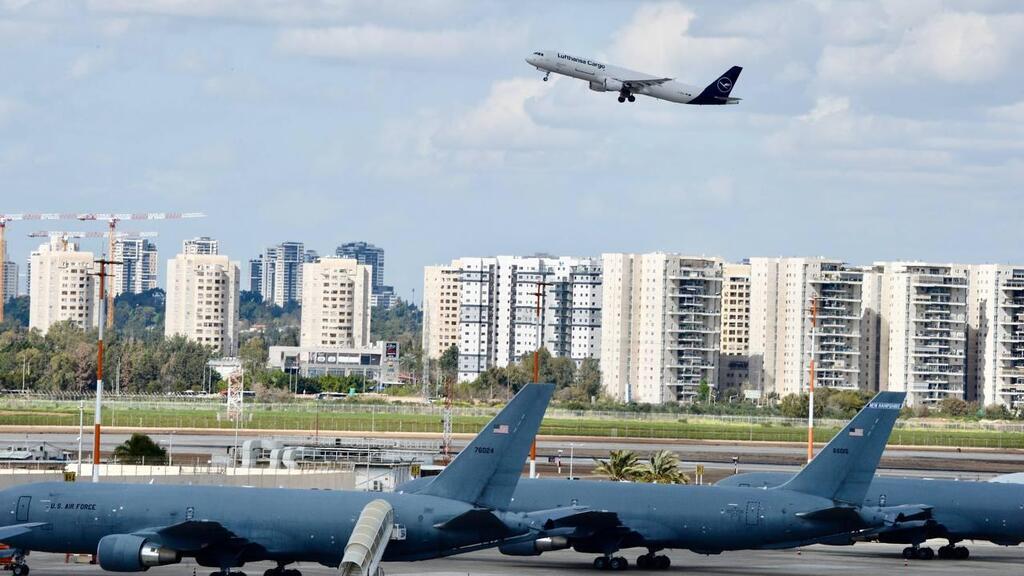
US refueling aircraft at Ben Gurion Airport
(Photo: Kobi Konaks)
In Lebanon, implementation of the second phase of the ceasefire remains stalled, particularly regarding the concentration of weapons north of the Litani River. The commander of the Lebanese army has presented his plan for consolidating weapons to the government in Beirut, but the issue has not been central to discussions. Lebanese officials have instead focused on economic challenges.
Meanwhile, the IDF continues efforts to prevent Hezbollah and other terrorist organizations in Lebanon from rebuilding their capabilities. Last weekend, a Hamas headquarters in the Sidon area was struck, and two operatives preparing attacks against IDF forces were killed.
In addition, guided by Military Intelligence, three Hezbollah missile-array headquarters were targeted. Several terrorists involved in planning attacks inside Israel were killed in that strike as well.
These actions are part of the IDF’s ongoing effort to defend residents of northern Israel and to thwart terrorist activity in Lebanon and Syria. Since the ceasefire began, more than 430 terrorists have been killed in Lebanese territory.
Lebanese outlet Al-Mayadeen, which is affiliated with Hezbollah, reported citing presidential sources in Beirut: “Our will and our assessment are that Lebanon will not, under any circumstances, be a party to any regional, political or military conflict. We have no information in Lebanon indicating a dramatic expansion of Israeli strikes, but anything is possible given the ongoing violations of the understandings.”