



Operation Rising Lion lasted just 12 days—but in that time, Israel dramatically altered the strategic threat map facing the country.
While the long-term impact remains uncertain, security officials and analysts agree: the campaign, marked by close coordination with the U.S., unprecedented aerial freedom over Iran and devastating strikes on nuclear facilities, was a turning point in the regional power dynamic.
Some of the major achievements include direct hits on Iran’s fortified underground nuclear facilities in Natanz and Fordow, coordinated Israeli-American operations, the assassination of senior IRGC commanders and nuclear scientists and unchallenged Israeli Air Force strikes deep inside Iranian territory. Just weeks ago, such an outcome seemed unthinkable.
Crucially, the conflict did not escalate into a full-scale regional war. Hezbollah, the Houthis and Iranian-backed militias in Iraq stayed on the sidelines—not, according to Israeli intelligence, due to lack of intent but due to operational constraints. This, officials say, may be one of the most strategically significant outcomes, reinforcing Israel’s status as a central deterrent force in the region.
The military success came at a high price. Some 28 people were killed inside Israel, including five civilians in Be’er Sheva during the final round of Iranian missile strikes. Israeli airspace was closed for 12 days, stranding over 150,000 citizens abroad. Despite Israel’s advanced missile defense systems, several Iranian ballistic missiles penetrated defenses, exposing gaps in home front security.
These failures have sparked renewed calls to accelerate development of next-generation laser interception systems and expand physical protection—such as shelters and fortified rooms—for civilians.

Iranian missile heading to Israel
(Photo: REUTERS/Mussa Qawasma)
Politically, Prime Minister Benjamin Netanyahu has drawn praise for his leadership, achieving clear strategic goals while maintaining tight cooperation with U.S. President Donald Trump’s administration. "This is Netanyahu’s finest hour," a senior political official said. Trump, too, has been widely commended in Israel for his firm support, despite criticism from within his own party.
Get the Ynetnews app on your smartphone: Google Play: https://bit.ly/4eJ37pE | Apple App Store: https://bit.ly/3ZL7iNv
But not everyone agrees with the timing of the ceasefire. National Security Minister Itamar Ben-Gvir, who was involved in decision-making throughout the operation, praised the military gains but said the campaign ended too soon.
“We should’ve continued for several more days—toppled the Iranian regime and cut off Hamas and Hezbollah’s oxygen supply once and for all,” he said.
Security experts warn that Israel's true challenge now lies ahead. Without a binding agreement or effective inspection mechanisms, Iran is likely to resume its nuclear and missile programs.
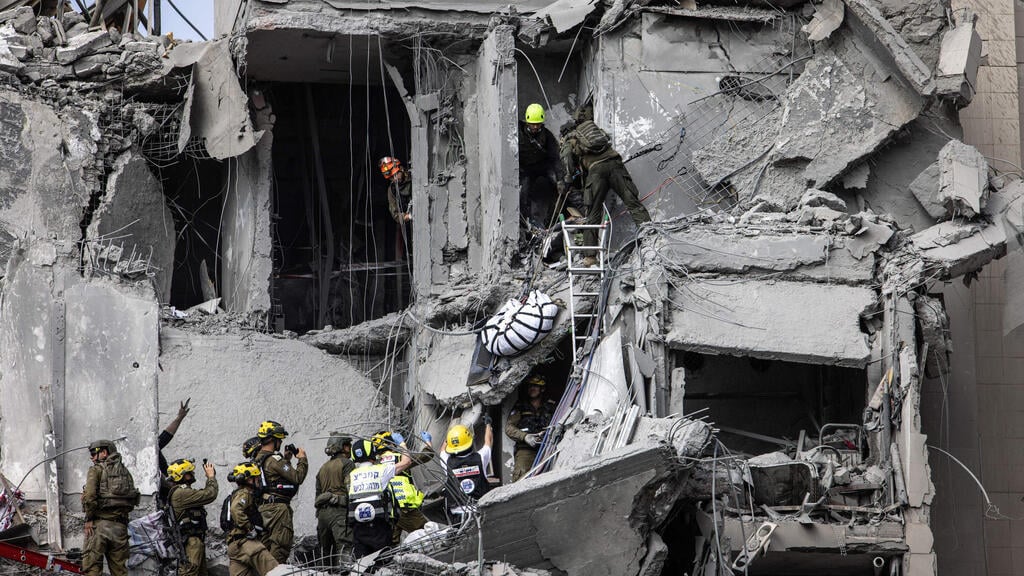
Rescue teams at Be'er Sheva impact site
(Photo: John Wessels / AFP)
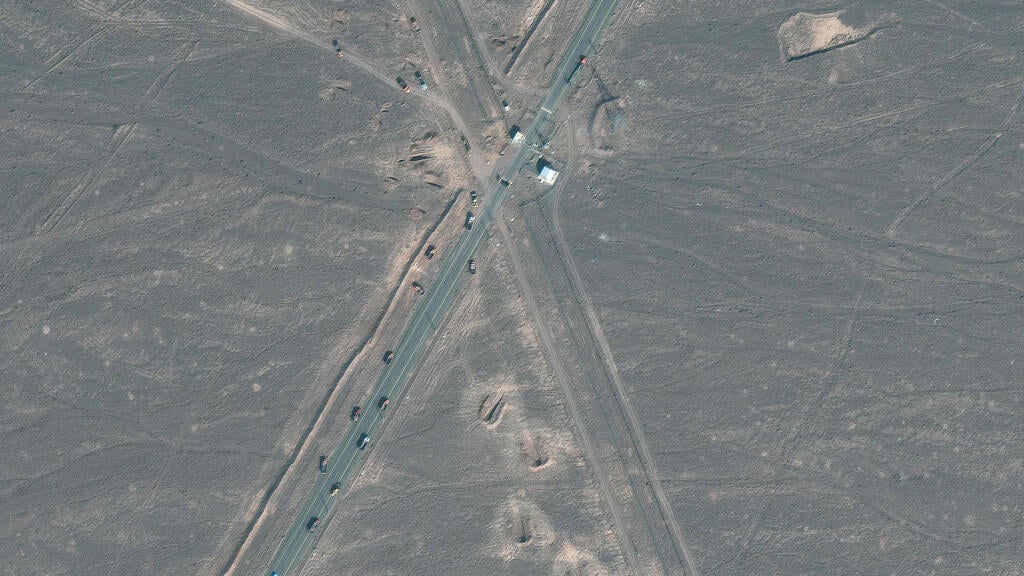
Fordow nuclear site
(Photo: AFP PHOTO / Satellite image ©2025 Maxar Technologies)
“There’s nothing in place to stop them from rebuilding,” said Dennis Citrinovich, former head of the Iranian branch in the IDF’s Military Intelligence Directorate. Without a political agreement, he warned, Israel could be dragged into a prolonged war of attrition—far more costly than any seen in fighting in Gaza or Lebanon.
Some security officials believe Iran may try to circumvent monitoring entirely by purchasing nuclear technology from abroad or forging tighter ties with Russia or China. In that sense, Israel’s long-term success depends not only on the destruction of physical infrastructure but on its ability to maintain strategic dominance.
As part of the ceasefire deal brokered by Trump, Israel agreed to a mutual halt to hostilities. Netanyahu is expected to deliver a statement later on Tuesday. The government's attention has now turned southward, where officials believe the outcome of the Iran operation may reshape Gaza policy.
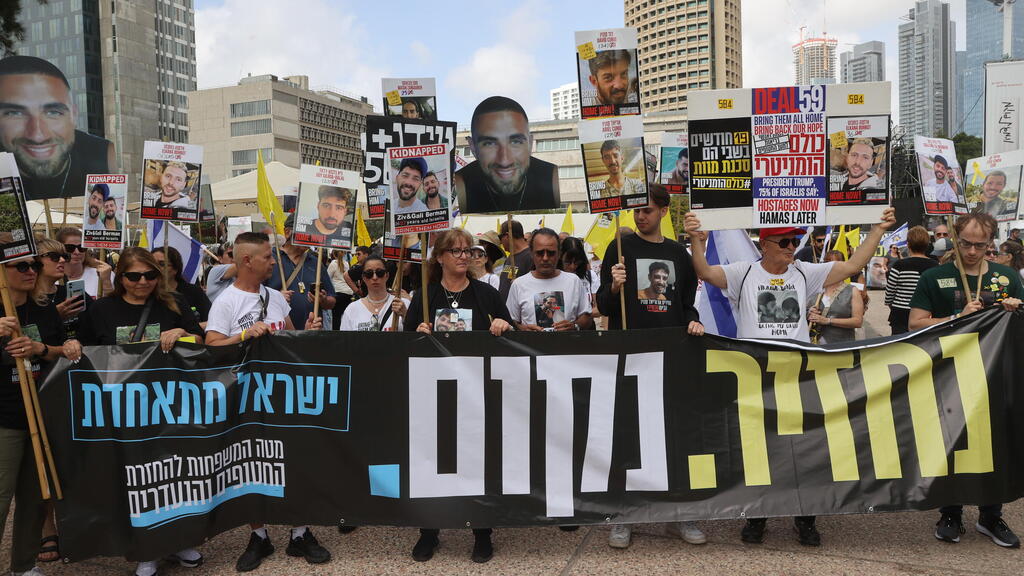
Protest calling for the release of hostages
(צילום: יריב כץ)
With Iranian support stalled, Hamas may find itself increasingly isolated—potentially speeding up prisoner swap negotiations. While Operation Rising Lion is being hailed as a resounding military and diplomatic success, it is not a definitive end.
Without leveraging these gains into a broader political framework and reliable enforcement mechanisms, Israel may face renewed confrontation with Iran—perhaps under less favorable conditions.
For now, officials are allowing cautious optimism. The quiet achieved is a major accomplishment—but a fragile one. The next move lies with policymakers in Jerusalem and Washington.