

The IDF announced Wednesday that it has completed a large-scale multi-branch exercise named “Lion's Roar” in the West Bank, involving the Judea and Samaria Division and the newly established Gilead 96th Division. This was the first exercise of its kind in which two divisions operated together, aiming to strengthen operational coordination and joint capabilities in the sector.
The drill involved about 180 aircraft and simulated more than 40 extreme scenarios, including attacks on outposts, simultaneous infiltrations by terrorists into multiple communities, combat in dense urban areas, mass casualty rescue and medical evacuation, response to multi-casualty incidents, intelligence integration, and combat-time command and control. The exercise was conducted in cooperation with ground forces, the Air Force, and internal security units.
Participants included Central Command forces, the Air Force, the Operations Directorate, Military Intelligence, the Shin Bet, the Civil Administration, the IDF's enemy simulation unit, command-level communications units, the Technology and Logistics Directorate, Magen David Adom, and the Israel Police. Concurrently, updated operational defense and activation plans for Central Command were reviewed.
Gallery
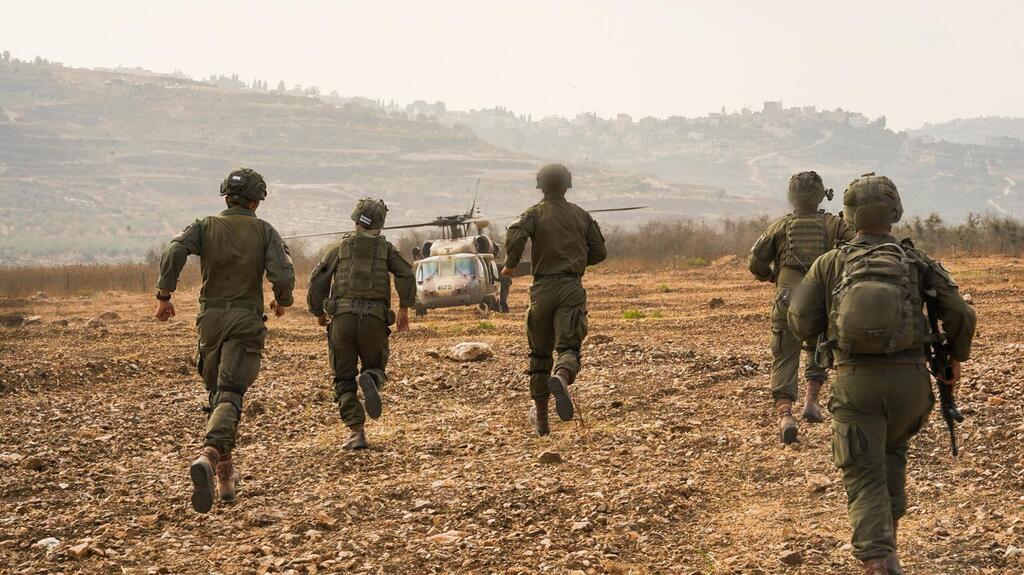
Technology and Logistics Division forces in the two-division exercise at the Central Command
(Photo: IDF Spokesperson's Unit)
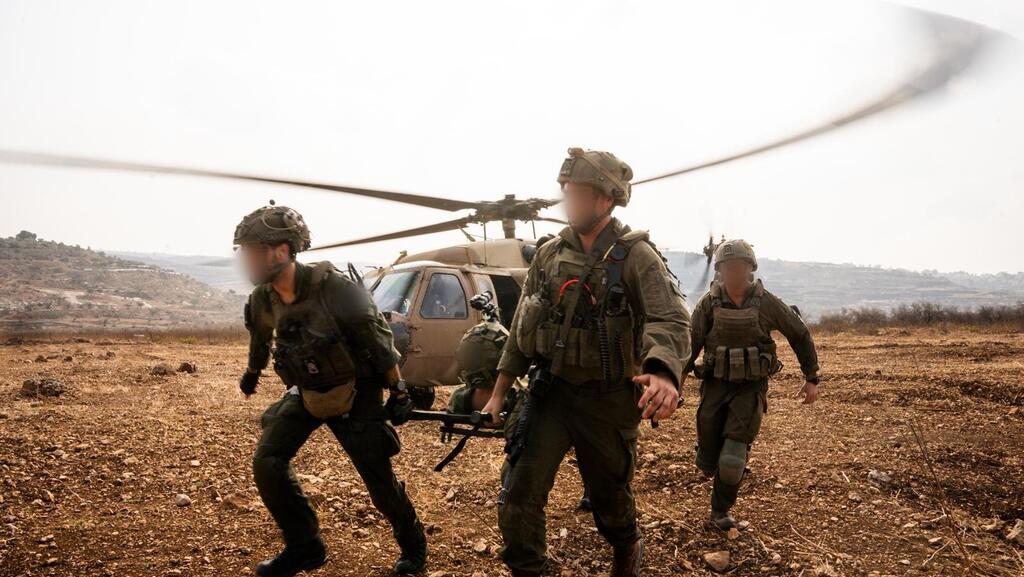
Technology and Logistics Wing forces conduct a two-division exercise at the Central Command
(Photo: IDF Spokesperson's Unit)
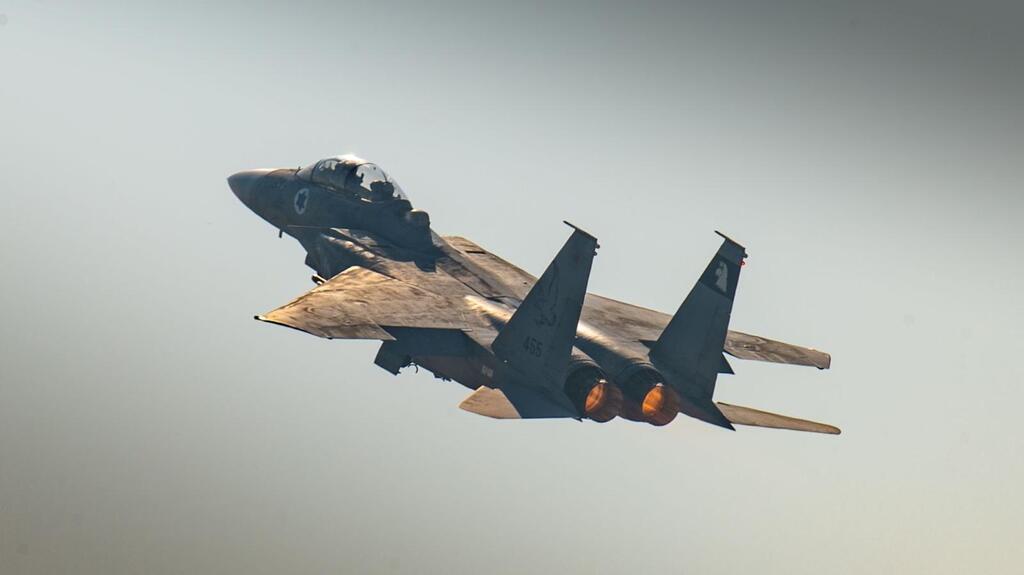
Israeli Air Force in the two-division exercise at the Central Command
(Photo: IDF Spokesperson's Unit)
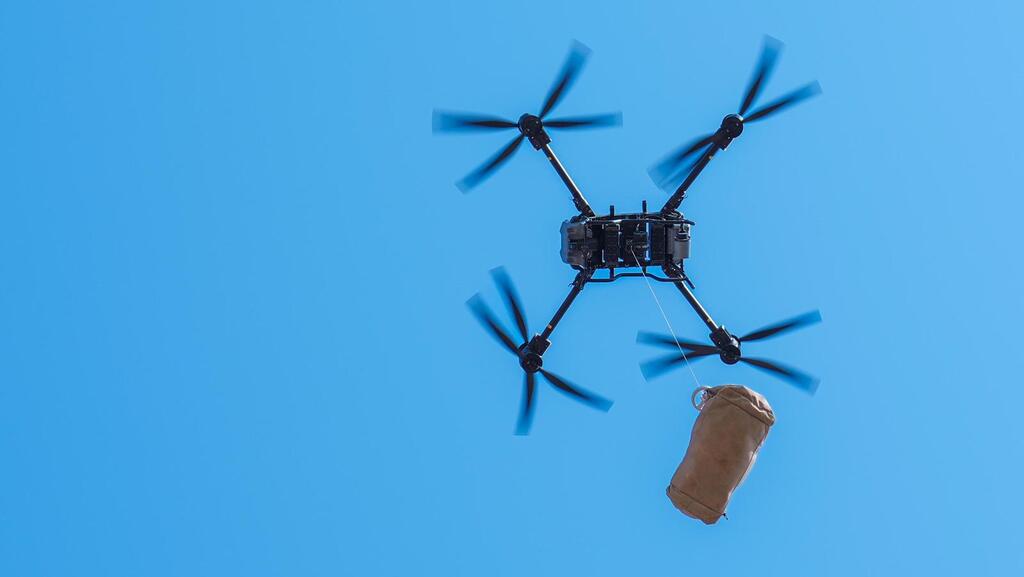
Technology and Logistics Division forces in the two-division exercise at the Central Command
(Photo: IDF Spokesperson's Unit)
The scenarios were shaped by lessons learned from the October 7 attacks, emphasizing rapid target strikes during the “golden hour,” the deployment of special forces, and the full mobilization of the IDF system. One of the drills simulated large numbers of terrorists invading from the Jordanian border, launching killing and kidnapping sprees in Judea and Samaria. The exercise included terrorists using powered parachutes to drop explosives, alongside responses to a collapsed building in Ariel and burned vehicles, with close air support from fighter jets and helicopters.
The IDF stressed a particular focus on real-time operational connectivity and situational awareness—key conclusions from the Hamas assault. To that end, the Air Force expanded its control centers and added air reconnaissance officers from local communities to improve coordination between air and ground forces. A broad target bank was prepared for immediate strikes even under uncertain conditions, and new response protocols were set for troops deployed in the field.
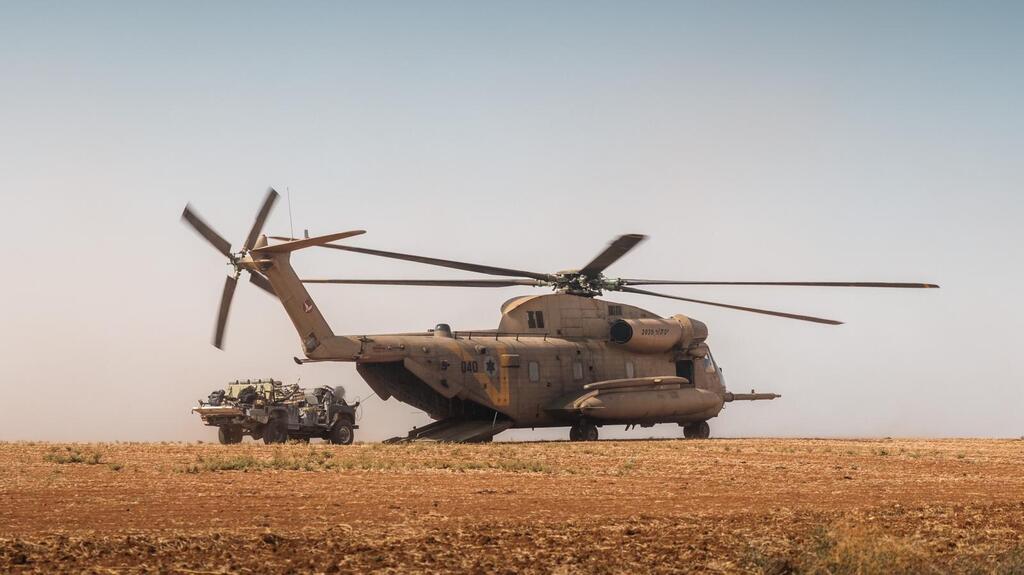
Ground forces in the two-division exercise at the Central Command
(Photo: IDF Spokesperson's Unit)
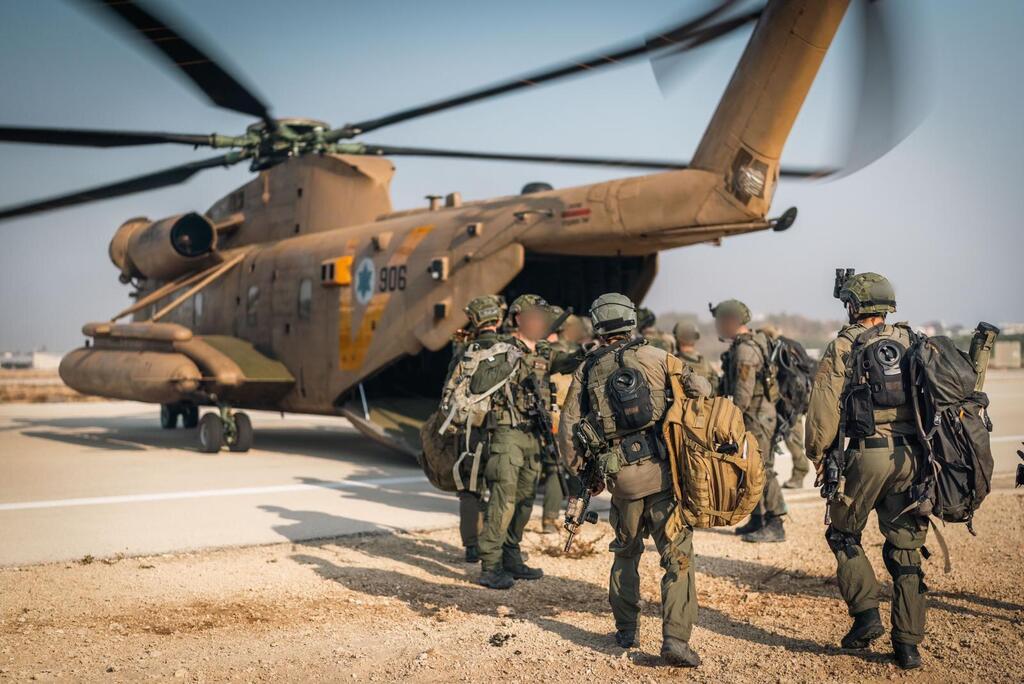
Israeli Air Force in the two-division exercise at the Central Command
(Photo: IDF Spokesperson's Unit)
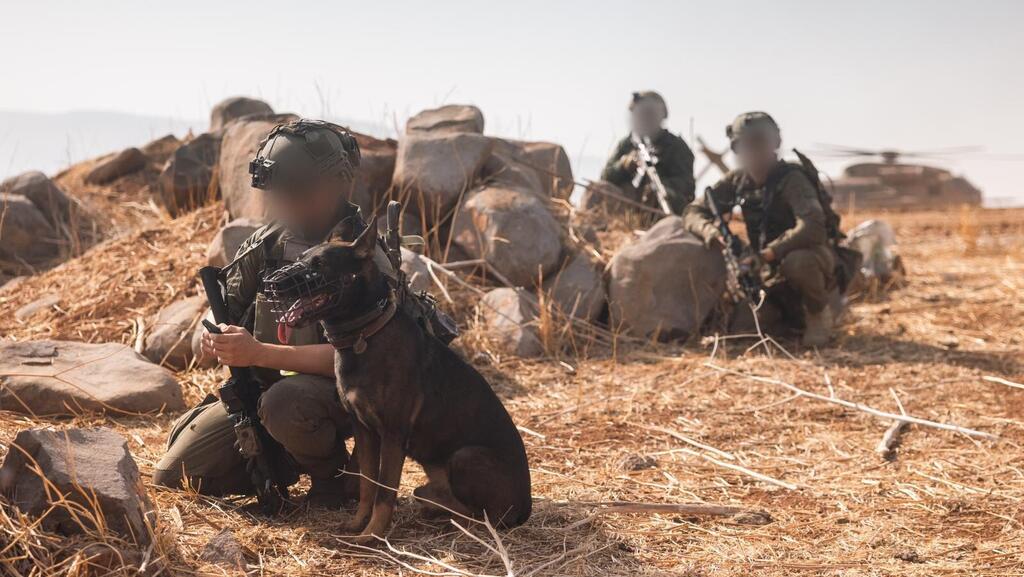
Two-division exercise at the Central Command
(Photo: IDF Spokesperson's Unit)
Rapid deployment scenarios tested the swift arrival of special units from the north, south and center to various locations. According to the IDF, dozens of troops arrived in under 45 minutes from the start of events. The Israeli Air Force deployed platforms capable of carrying significantly more ordnance than those used on October 7.
“Ninety percent of the new flash battalion troops in the Gilead Division reported with their weapons and gear within an hour and fifteen minutes. We have many lessons to implement from this exercise and from October 7,” the IDF said. The IDF Spokesperson added that the military will continue conducting regular drills to ensure high readiness, reinforce inter-unit cooperation, and maintain the security of local residents and all Israeli citizens.