

An internal IDF document concludes that “Operation Gideon’s Chariots” in Gaza failed. According to the detailed report on Sunday, Israel did not aim to decisively defeat Hamas but rather to deter the terror group in hopes of facilitating a hostage exchange—a strategy Hamas reportedly understood.
The document, distributed to troops by the Ground Forces’ Operational Learning Center and reported by Keshet News, criticized the IDF’s planning and execution of humanitarian aid as “clumsy,” which it said allowed Hamas to launch a “false but effective” starvation campaign.
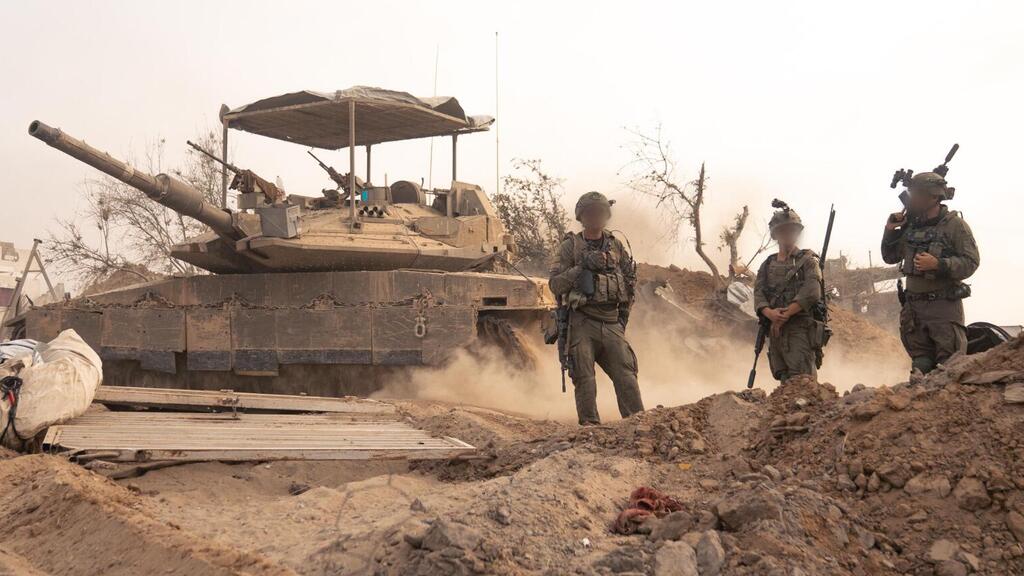
It also noted that IDF maneuvers were conducted in areas previously used for operations and at a slow pace, providing Hamas with resources and engaging without clear timelines or resource management. This, the report stated, strained Israeli forces and damaged the country’s international credibility. Combat methods, the report added, did not align with Israel’s military doctrine or the way Hamas fights, resulting in “every possible mistake” being made.
“Operation Gideon’s Chariots,” particularly in its extended form, was not part of Israel’s 2025 operational plans. While the IDF deployed four to five corps-level headquarters during the ground operation, the public impression of tens of thousands of troops maneuvering across Gaza was misleading. On the ground, only a relatively small number of brigade-level combat teams operated under these headquarters, unlike the large-scale maneuvers seen between November 2023 and mid-2024.
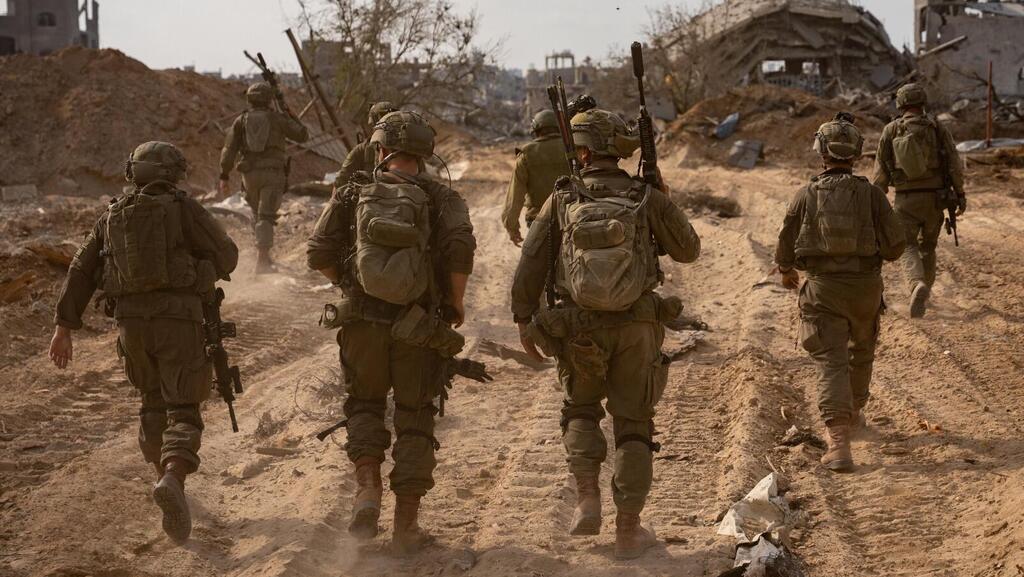
IDF troops
(Photo: IDF)
Three major Hamas strongholds were left largely untouched during the operation: Gaza City, including densely populated neighborhoods such as Shati, Rimal, and Sabra; the sprawling displaced-persons areas around Khan Younis; and high-readiness Hamas units in central Gaza cities like Nuseirat and Deir al-Balah, due to the presence of hostages. In the follow-up operation, “Gideon's Chariots II,” the IDF plans to target Gaza City.
IDF officers speaking last month said, “Instead of a siege, we announce our intent to operate, aiming to clear populations that have already been evacuated multiple times, and it becomes harder each time. Only a large-scale maneuver will achieve this, not a few shells near their shelters.”
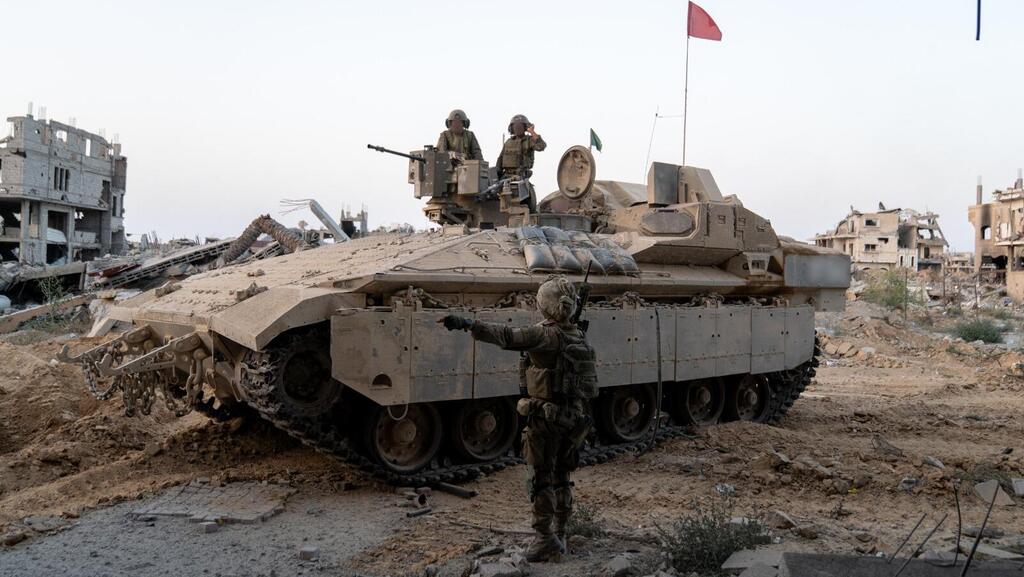
(Photo: IDF)
The current ground operation also differs politically and in its public presentation from fighting in late 2023 and 2024. Military coverage has been dramatically reduced, limiting reporters’ access, and soldiers’ faces are heavily obscured to prevent future arrests abroad on alleged war crimes. Commanders warned that his approach distances troops from the public at a time when support is lower than immediately after October 7.
Conflicting messages emerged within the IDF as well. Early in “Gideon’s Chariots,” both the military and political leadership discussed decisive action against Hamas. In recent weeks, however, the stated goal shifted to “pressuring Hamas to release hostages.” Some Gaza-based division commanders believe fighting should continue, citing limited military pressure that has nevertheless eliminated senior Hamas figures, killed hundreds of operatives, and recovered the bodies of fallen Israelis.
Observers also noted the use of vague terms, such as claiming control of “60% or 75% of Gaza,” statements that are quickly circulated among hundreds of thousands of Israelis without clarifying practical meaning—echoing similar “empty” declarations of targeting terrorist sites in Gaza from the early 2010s.