

US President Donald Trump has rejected Iran’s proposal for a seven-day ceasefire and told aides he expects U.S. bombing of Iran to resume after the November midterm elections, The Wall Street Journal reported, citing U.S. officials. The reported position comes as Washington and Tehran continue indirect negotiations over the Strait of Hormuz, sanctions and Iran’s nuclear program.
Tehran’s proposal would reopen the Strait of Hormuz and restart nuclear negotiations in exchange for Washington lifting its blockade of Iranian ports, releasing some frozen Iranian assets and easing sanctions on Iranian oil exports. Iran has separately outlined a seven-day roadmap centered on those demands.
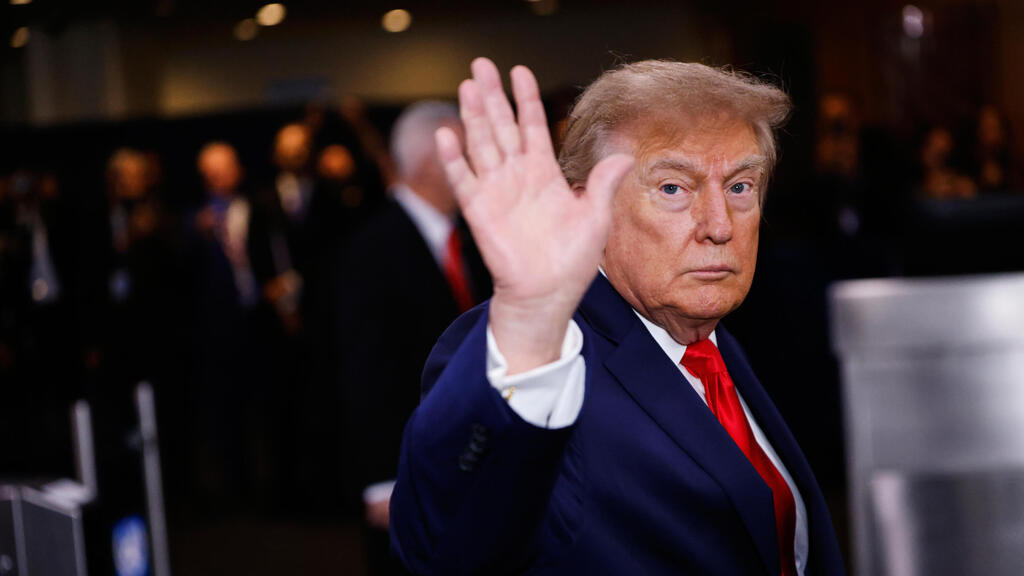
Trump turns down Iran ceasefire offer, tells aides new strikes likely after midterms
(Photo: AP/ Stefan Jeremiah)
Trump has publicly argued that Iran is under severe economic pressure and seeking an agreement that would come after the midterms and dismantle its nuclear program.
Privately, however, he remains skeptical that Tehran would ultimately meet U.S. demands and has told aides that he considers another bombing campaign likely, according to U.S. officials.
The position suggests the conflict, currently suspended between active warfare and a negotiated settlement, could move back toward military confrontation. Officials cautioned, however, that Trump’s approach has shifted repeatedly during the seven-month conflict and could change again in the coming weeks, including after the midterm elections.
Trump reluctant to return to major combat
The scale of any strikes Trump is considering remains unclear.
Officials said he is reluctant to restart major combat operations in part because the United States wants to preserve dwindling stocks of munitions for other possible conflicts.
At the same time, Trump has repeatedly used the threat of large-scale military action to try to break diplomatic deadlocks with Iran. On several occasions he has followed through with strikes, while stopping short of some of his most sweeping threats.
Trump insisted during his speech to the United Nations this week that electoral politics would not determine his policy toward Iran.
“The Republican Party is running, and I’ll be helping them, but I am not running. I gave absolutely no credence and will not give credence through the election when it comes to Iran,” he told world leaders during the annual General Assembly in New York. “The only thing that does is that Iran will never have a nuclear weapon.”
Trump has also urged Republican voters to behave as though he himself were on the ballot in November.
Seven-day plan puts Hormuz at center of talks
Despite Trump’s rejection of the proposal, negotiations between Washington and Tehran are continuing through regional mediators, a U.S. official said.
An American-led effort to keep oil tankers moving through the Strait of Hormuz despite Iranian threats has reduced Washington’s urgency to reach an agreement, according to the official.
Qatar and other regional governments have been trying to revive the negotiations on the sidelines of the UN General Assembly.
During a meeting in Qatar on Sunday, Iran raised the possibility of a seven-day pause in fighting that could lead to an end to Iranian attacks on commercial shipping in exchange for the United States lifting its blockade, according to people familiar with the discussions.
Under Tehran’s proposal, Washington would lift the naval blockade, release some frozen Iranian assets and ease sanctions on Iranian oil exports. Iran, in return, would reopen the Strait of Hormuz and begin negotiations over its nuclear program.
The United States has told Iran and regional mediators that Trump has no intention of lifting the maritime blockade, according to officials familiar with the negotiations.
Washington believes that continued economic pressure will eventually push Tehran toward an agreement on terms more favorable to the United States and Arab states in the Persian Gulf.
Tehran divided over how far to compromise
Arab mediators said Iranian diplomats have put forward several proposals aimed at ending the war and have acknowledged the worsening economic crisis inside Iran.
But the Islamic Revolutionary Guard Corps, Iran’s powerful military and economic force, has resisted new formulas for an agreement and has signaled that it is prepared for a prolonged conflict.
The IRGC has effectively dominated decision-making in Iran since the war began in February and wants negotiations to return closer to the preliminary agreement Trump reached with Tehran in June.
That arrangement envisioned sanctions relief for Iranian oil sales, access to frozen Iranian funds and recognition of a role for Tehran in administering traffic through the Strait of Hormuz in exchange for reopening the strategic waterway.
For now, Washington is refusing to surrender what it sees as one of its strongest sources of leverage, while Tehran is seeking to revive the concessions contained in the earlier deal. That leaves the two sides still negotiating, but with Trump privately preparing his aides for the possibility that diplomacy could once again give way to airstrikes.