


Israel is receiving conflicting messages about U.S.-Iran negotiations to end the war, with signs of progress alongside indications that talks have stalled, leaving officials uncertain and increasingly pessimistic.
According to Israeli officials familiar with the matter, the negotiations are being conducted through two channels. In one, U.S. Vice President JD Vance is in contact with Pakistan’s army chief, Asim Munir, who is seen as a key intermediary with Tehran. In parallel, U.S. envoy Steve Witkoff has been in direct communication with Iranian Foreign Minister Abbas Araghchi.
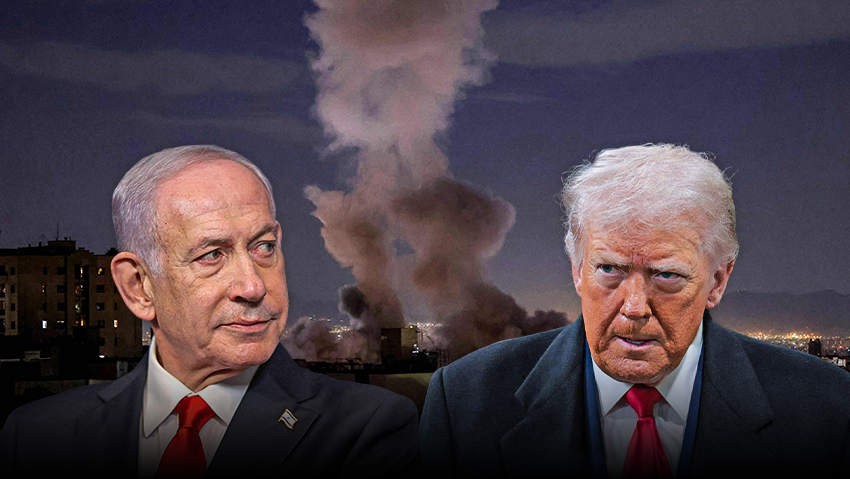
תקיפות האיראן
(צילום: ATTA KENARE / AFP, JOE RAEDLE / AFP, Anna Moneymaker AFP)
The uncertainty has raised concern in Jerusalem that U.S. President Donald Trump could agree to a temporary ceasefire to allow further negotiations — a scenario Israeli officials view as the worst outcome, as it would halt ongoing strikes on Iran without securing broader objectives.
Israel is closely watching an April 6 deadline set by Trump, who has warned that Iran’s energy infrastructure could be targeted if the Strait of Hormuz is not reopened.
Prime Minister Benjamin Netanyahu and Defense Minister Israel Katz have instructed the IDF to prepare a target bank of economic and energy infrastructure sites in Iran. Israeli officials believe that large-scale strikes on such targets could severely damage Iran’s economy and potentially destabilize the regime.
A senior Israeli official said it remains difficult to predict how events will unfold given Trump’s unpredictability, adding that officials are leaning toward pessimism while hoping for a positive outcome.