


Senior IDF officials on Monday rejected sharp criticism from reserve battalion and brigade commanders over further reductions to active reserve duty this year, saying the cuts are necessary to eliminate abuse of the system and protect public resources.
The backlash follows a report by ynet and its parent newspaper Yedioth Ahronoth, revealing that reserve commanders were informed of a reduction in annual operational duty from two months to six weeks. The change, communicated by the IDF Operations Directorate, is believed to be linked to political negotiations between the defense and finance ministries aimed at securing approval for the state budget.
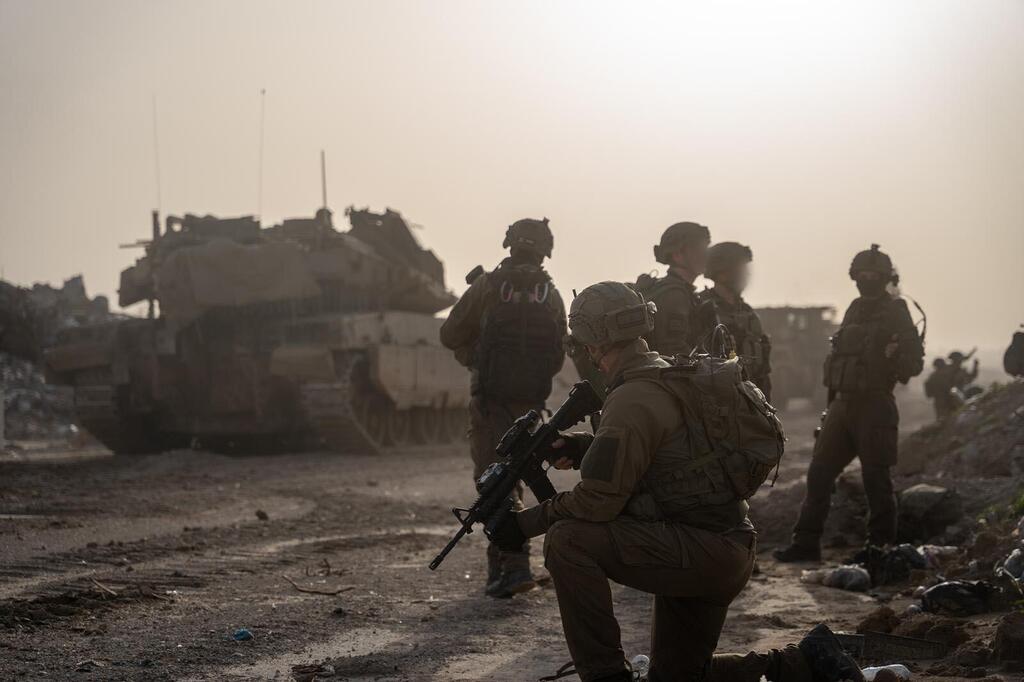
Though the reduction appears to benefit reservists by decreasing service time, commanders say the cutbacks will come at a cost. According to IDF instructions, units must cancel key support days that follow reserve duty, including recovery and mental health debriefing sessions, as well as additional leave days known as “organization days,” meant to ease the transition home.
Commanders said they were not consulted on the decision, which they warn undermines both the well-being and operational readiness of their troops. In combat units, the reduction in leave days is expected to be around 50% compared to last year, even as thousands of reservists continue to serve in combat zones in Gaza, Lebanon, Syria and other sectors. Tensions remain high, and a resumption of fighting with Hamas in the coming months is considered likely.
A senior IDF official said that many of the demands to curb reserve duty abuse, including cases where reservists effectively shifted full-time to military service at the state’s expense, came from commanders themselves.
“There were unworthy, even criminal, trends in recent years,” the official said. “Commanders asked us to put an end to them. Cutting 20,000 reservists this year, as ordered by the political leadership, will save 7 billion shekels—funds we need for tank engines, live-fire training and critical projects to restore the army’s readiness.”
The official added that not all operational sectors require extensive rest and recovery periods. “There’s a limit. We don’t need to turn every base into a hotel. Especially now, with the likelihood of renewed fighting, we must reduce where we can and conserve resources. We also have a duty to preserve both public funds and our appreciation for the fighters.”
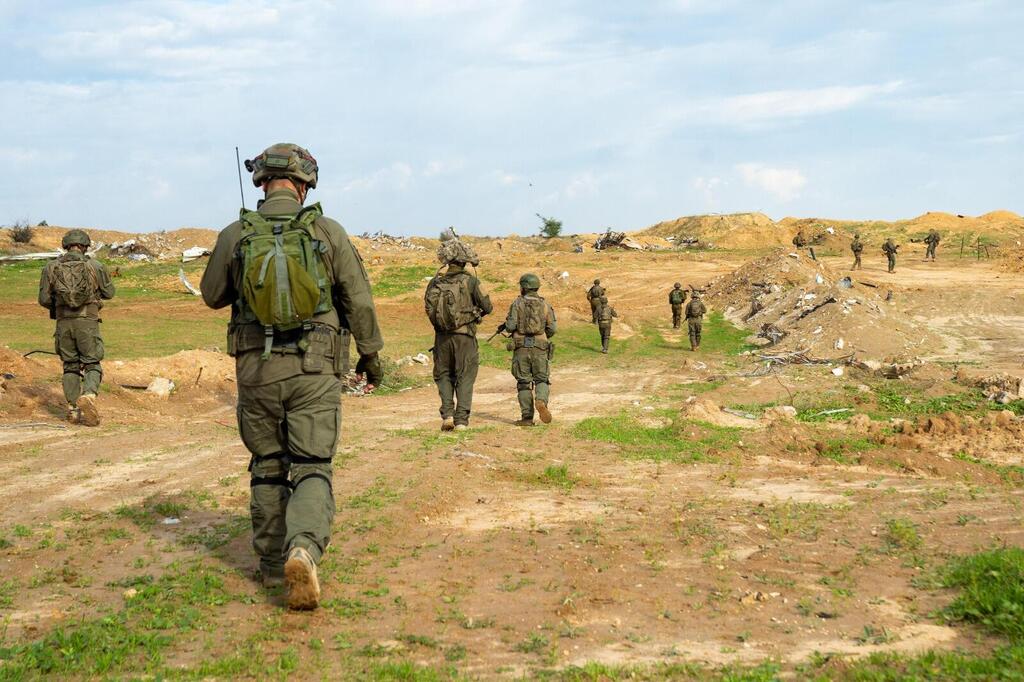
(Photo: IDF)
He criticized the now-cancelled “week-on, week-off” schedule that kept battalion commanders from seeing their full units during the war. “That system fragmented operational cohesion. We had to end it.”
Nonetheless, some reserve units still operate under the week-by-week system due to habit and wartime leniencies. The official acknowledged the toll the war took on soldiers’ families and mental health, noting that minimum annual service days to qualify for benefits have been reduced from 60 to 45.
“In the war, we spent approximately 56 billion shekels just on reservist pay,” the official said. “Even within the system, we have much to learn from what the war exposed.”
Under the revised model, reservists will now serve in 10-day cycles followed by four days at home, with fewer overall days for unit cohesion and reintegration. The military also reduced the number of reservists stationed in local defense units guarding communities, including in the Gaza border region. Still, the official claimed there are now two to three times more soldiers guarding Israel’s front lines than before the October 7 attacks.
“We don’t have surplus manpower or thousands of Haredi recruits,” he said. “We know how to deal with unnecessary senior reservists and units that are no longer needed. It won’t happen all at once—but it will happen.”