


New data from the Defense Ministry released on Sunday revealed a grim forecast: by 2028, the ministry’s Rehabilitation Department expects to care for around 100,000 wounded and disabled IDF veterans, at least half of them facing mental health challenges.
Since Hamas’ October 7 attack, 18,500 soldiers have been treated by the rehabilitation unit, with 3,769 officially recognized as suffering from post-traumatic stress disorder (PTSD). Officials warned that the psychological toll will continue to mount even after the fighting ends. “Once the war is over, this will hit us as a national challenge,” a senior Defense Ministry source said.
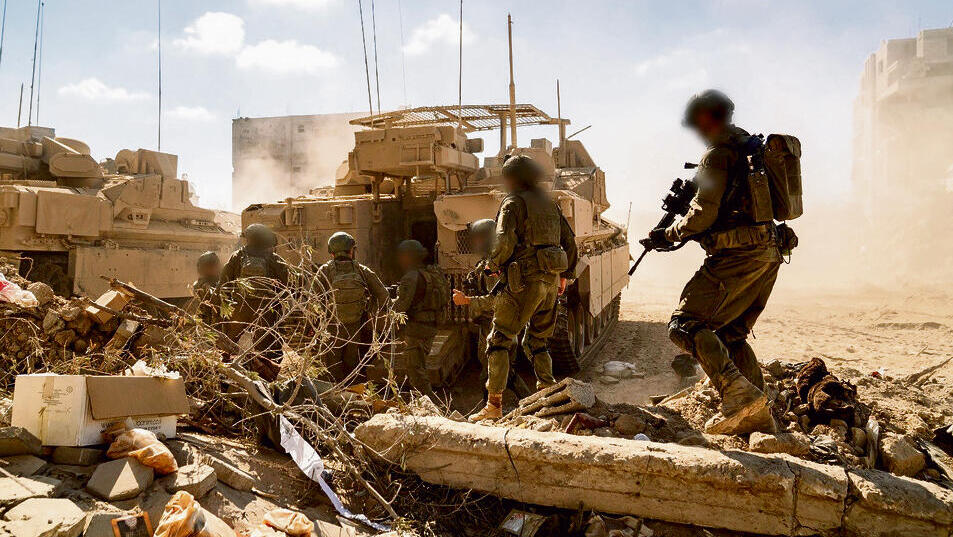
Currently, over 10,000 soldiers are undergoing mental health treatment related to trauma from the war and approximately 9,000 additional soldiers are in the process of recognition for PTSD.
The figures represent an unprecedented surge compared to previous rounds of fighting. In 2014’s Operation Protective Edge, only 159 soldiers were recognized as suffering from PTSD. By contrast, 1,430 soldiers were recognized in 2023 alone.
In 2024, the numbers rose sharply to 2,210 soldiers officially recognized with PTSD, marking the highest annual increase since records began. Of these 1,600 soldiers recognized last year, 1,512 were men and 88 were women.
The breakdown includes 693 conscripts—young soldiers who developed PTSD due to the Gaza war—144 career soldiers, 184 reservists and roughly 500 from other military categories, such as soldiers who began the process during service and have since been discharged.
(Photo: Shutterstock)
The Defense Ministry noted that nearly half of the 18,500 soldiers wounded since October 7 are under the age of 30, many of them reservists with young families. The influx has strained mental health resources. “We have one social worker for every 750 disabled veterans, making it impossible to provide personalized care for everyone,” an official admitted. The country is also facing a nationwide shortage of psychiatrists.
To meet the demand, the Rehabilitation Department has opened over 10 rehabilitation farms, four open houses near psychiatric hospitals as alternatives to hospitalization and even mobile mental health units that respond to crises, including suicide attempts, across Israel. A special recovery home has also been established in Hofit for veterans struggling to reintegrate with their families.
Get the Ynetnews app on your smartphone: Google Play: https://bit.ly/4eJ37pE | Apple App Store: https://bit.ly/3ZL7iNv
The financial burden is immense, with billions of shekels being allocated to mental health programs instead of traditional military support like gyms and equipment. International donors are now being asked to fund rehabilitation and mental health initiatives.
The Defense Ministry added that the mental impact on veterans manifests economically as well. “Over 12,000 active-duty and reserve soldiers have not only dropped out of IDF combat units and battalions but are also no longer part of the workforce or pursuing their careers. This means the economy is taking a hit too.”

(Photo: Shutterstock)
“Every month we receive calls from former soldiers for whom the battles in Gaza, as well as the casualties and fatalities, trigger intense psychological distress related to past events they experienced during their service,” it added.
The IDF said that it fully recognizes PTSD as a combat injury and is committed to supporting affected soldiers. “From the start of the war in Gaza, we established emergency mental health frameworks near combat zones and six months later we launched a new center for long-term care,” the IDF said in a statement.
Attorney Heidi Negev, head of the Movement for Freedom of Information, called for greater transparency from authorities: “Data of such moral and public significance should be published regularly, not only following inquiries by NGOs or the media.”