


New satellite images released Monday showed damage to several of Iran’s nuclear facilities, including Natanz, which was struck by Israel repeatedly in recent days.
Iranian media also reported that Israel struck the heavily fortified Fordow uranium enrichment facility overnight, prompting air defense systems to activate in nearby Qom.
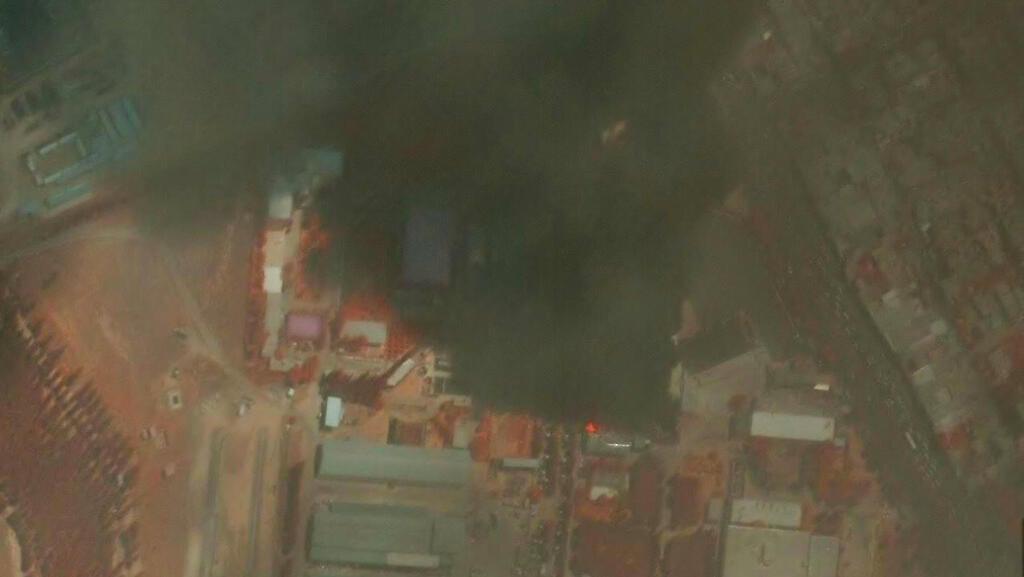
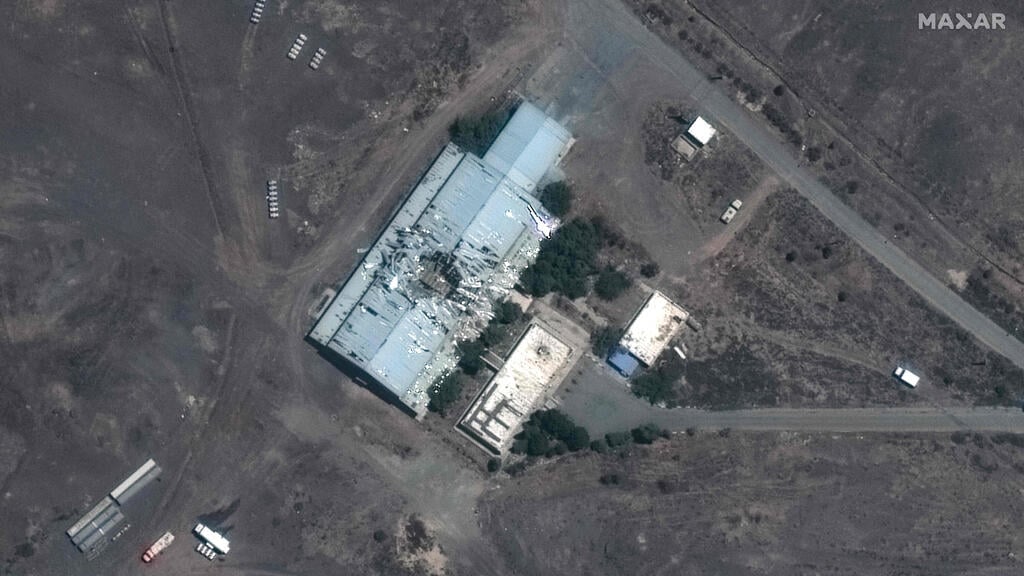
A missile production site in Iran after an Israeli strike
(Photo: © 2025 PLANET LABS PBC)
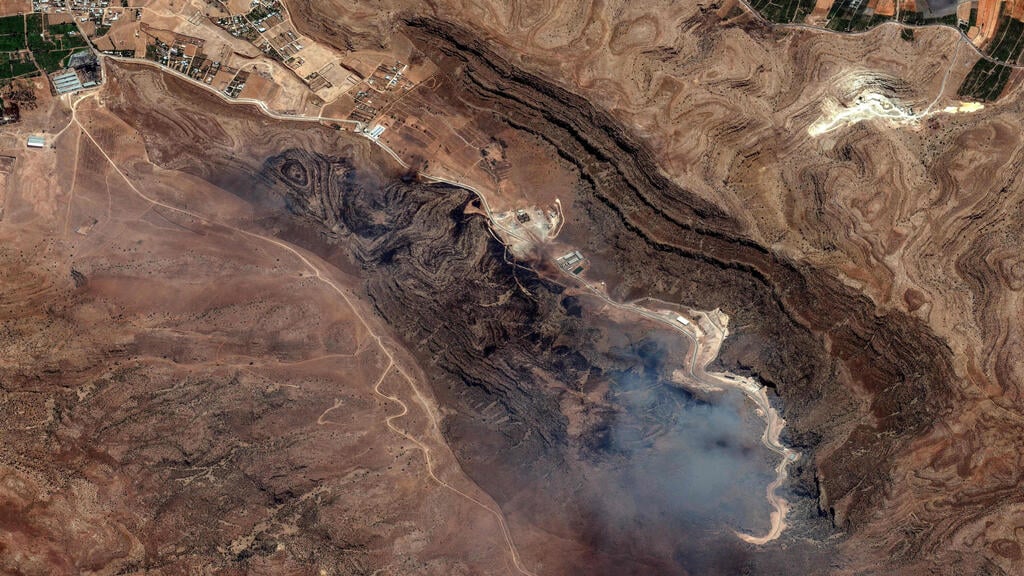
Ballistic missile production site in Shiraz, Iran after an Israeli strike
(Photo: © 2025 PLANET LABS PBC)
The Fordow facility, a centerpiece of Iran’s nuclear program, is considered one of the most difficult targets for Israel to neutralize due to its location inside a mountain and the multiple layers of reinforced concrete protecting it. The Wall Street Journal described Fordow as “Israel’s greatest challenge” in its military campaign against Iran and noted that U.S. involvement would likely be required to destroy it fully.
Get the Ynetnews app on your smartphone: Google Play: https://bit.ly/4eJ37pE | Apple App Store: https://bit.ly/3ZL7iNv
According to the Journal, the United States possesses the Massive Ordnance Penetrator (MOP)—a bunker-busting bomb weighing more than 12 tons and capable of reaching depths of nearly 60 meters (almost 200 feet).
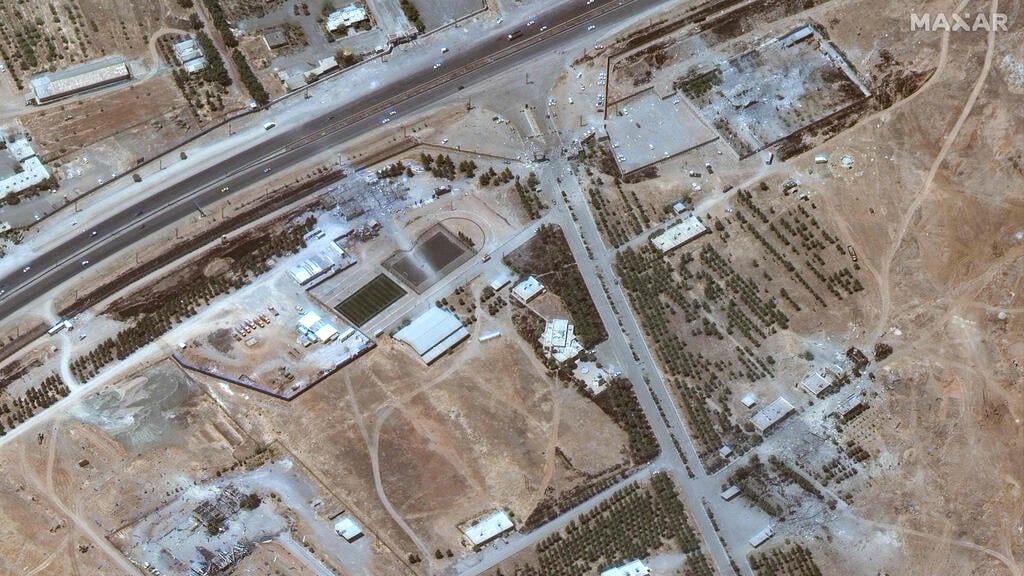
Ballistic missile production plant in Kermanshah hit in an IDF strike
(Photo: © 2025 PLANET LABS PBC)
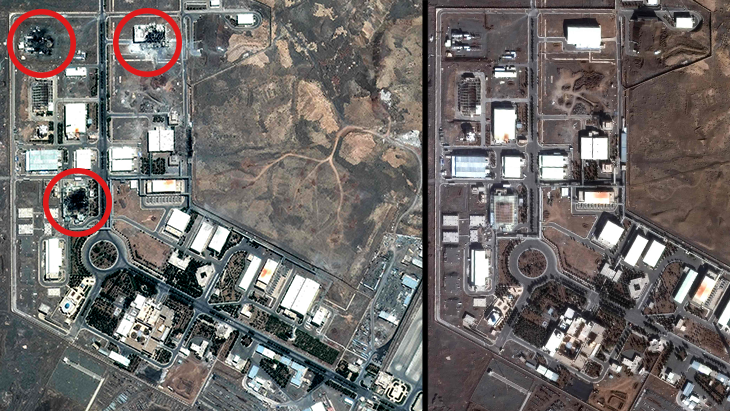
Before and after satellite images of the Natanz nuclear facility
(Photo: © 2025 PLANET LABS PBC)
However, U.S. military assessments have concluded that at least two MOPs dropped in quick succession would be needed to destroy Iran’s deepest underground nuclear facilities.
The Journal also cited an Israeli official who said there were signs that the underground sections of the Natanz facility had collapsed following an Israeli strike, though further analysis was necessary to confirm the extent of the damage.