


A new photograph of Izz al-Din al-Haddad, currently considered the head of Hamas' military wing, was released on Thursday by IDF Arabic-language spokesperson Lt. Col. Avichay Adraee. The image shows Haddad—previously seen in interviews and other public appearances—with dyed black hair and a significantly trimmed beard.
According to Adraee, the photo was found inside a tunnel beneath the European Hospital in Khan Younis.
“The dramatic change in his facial features, as seen in the picture, reveals just one thing: deep fear and a desire to disguise himself and disappear. While Hamas promotes a narrative of ‘famine’ to the world, it appears that Haddad remains safe from it, far from the hunger and suffering experienced by the residents of Gaza,” Adraee wrote.
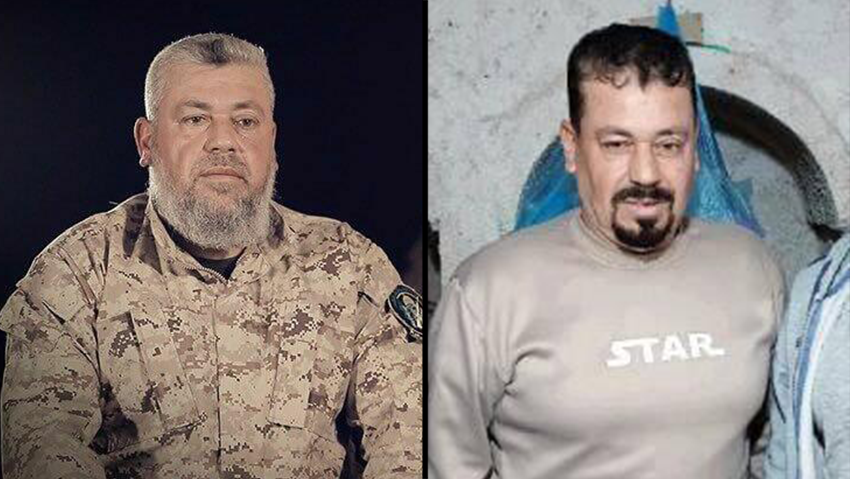
“Haddad is the last remaining leader of Hamas who led Gaza to ruin and contributed to the collapse of the entire Iranian axis," Adraee continued. "Is it shame and fear of the destruction left by Hamas-ISIS that pushed him to change his appearance and disguise himself? He tries to present himself as a ‘hero’ to the public, but what will the people of Gaza—those living in tents among the ruins of their homes—say when they see him hiding in tunnels, afraid, changing his identity? Can the man who led the Strip to devastation, who runs from responsibility and hides, truly be called a hero?”
Just minutes after the image was published—at 3:49 p.m.—rocket sirens were triggered in Sderot and other communities near the Gaza border. The IDF later confirmed that two launches from northern Gaza had been intercepted. Islamic Jihad claimed responsibility for the attack.
Held hostages, seeks 'dignified' deal
Haddad effectively became Hamas’ leader after the killing of Mohammed Sinwar in May. The IDF confirmed his status earlier this month, and The New York Times cited intelligence officials estimating that he is currently located in Gaza City. Amid ongoing negotiations mediated by Egypt, Qatar and the U.S. for a potential hostage deal, The Times reported that Haddad recently stated his intention to secure a “dignified agreement”, or alternatively, to turn the campaign into a “war of martyrdom.”
Nicknamed “the Ghost of Hamas,” Haddad has survived six assassination attempts and has long been considered a top commander in Hamas’s Izz al-Din al-Qassam Brigades. Now in his mid-50s, he admitted in a January interview with Al Jazeera that he helped plan the October 7 attack. Fluent in Hebrew, Haddad oversaw the holding of hostages in northern Gaza—including several female IDF observers who were later released: Liri Albag, Daniella Gilboa, Karina Ariev, Naama Levy, and Agam Berger. According to The Times, he plays a key role in both the negotiations and the ongoing custody of hostages.
Get the Ynetnews app on your smartphone: Google Play: https://bit.ly/4eJ37pE | Apple App Store: https://bit.ly/3ZL7iNv
Throughout the war, Israel eliminated the top echelons of Hamas’ military wing. Haddad, who began the war as Gaza City Brigade Commander, is the only senior figure who held his position from the war’s outset. Since October 7, the IDF has eliminated Mohammed Deif, head of Hamas’s military wing; his deputy Marwan Issa; northern commander Ahmed Randour; central commander Ayman Nofal; Khan Younis commander Raafah Salameh; and Rafah commander Mohammed Shabana.
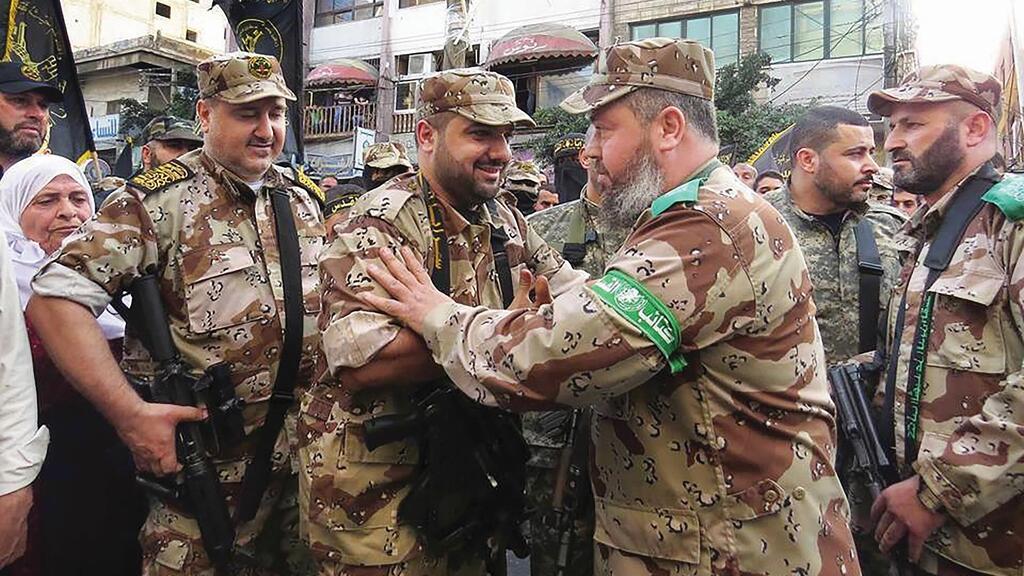
Izz al-Din al-Haddad in pre-October 7 photo
According to the Saudi outlet Al-Sharq, Hamas sources say the group is showing “flexibility” regarding the exile of its senior leaders from Gaza. These sources estimate that Hamas may agree to the temporary removal of a “symbolic and limited number” of leaders and operatives if it leads to an end to the war under a comprehensive agreement. However, The Times reported that Haddad is not expected to compromise on key demands such as ending the war and a full Israeli withdrawal from Gaza, maintaining the same red lines as his predecessors.
Since October 7, Haddad has been the only Hamas commander to give a public interview, appearing on Qatar’s Al Jazeera in January. In the interview, he said: “The leadership of the occupation, which is backed by the U.S., will have to surrender to our just demands.”
He listed those demands as: Withdrawal of IDF forces from Gaza; an end to the war; release of Palestinian prisoners; reconstruction of the Gaza Strip; lifting the blockade on Gaza, which restricts imports and exports.