

U.S. military planners are considering an extraordinarily complex special operations mission to seize or destroy Iran’s enriched uranium at fortified nuclear facilities, The New York Post reported Friday, citing experts and a person familiar with military planning.
The operation could require thousands of troops to secure the sites, clear booby traps, reopen damaged entrances and establish defensive perimeters and evacuation routes, according to the report. A smaller group of special operations personnel would then retrieve the nuclear material.
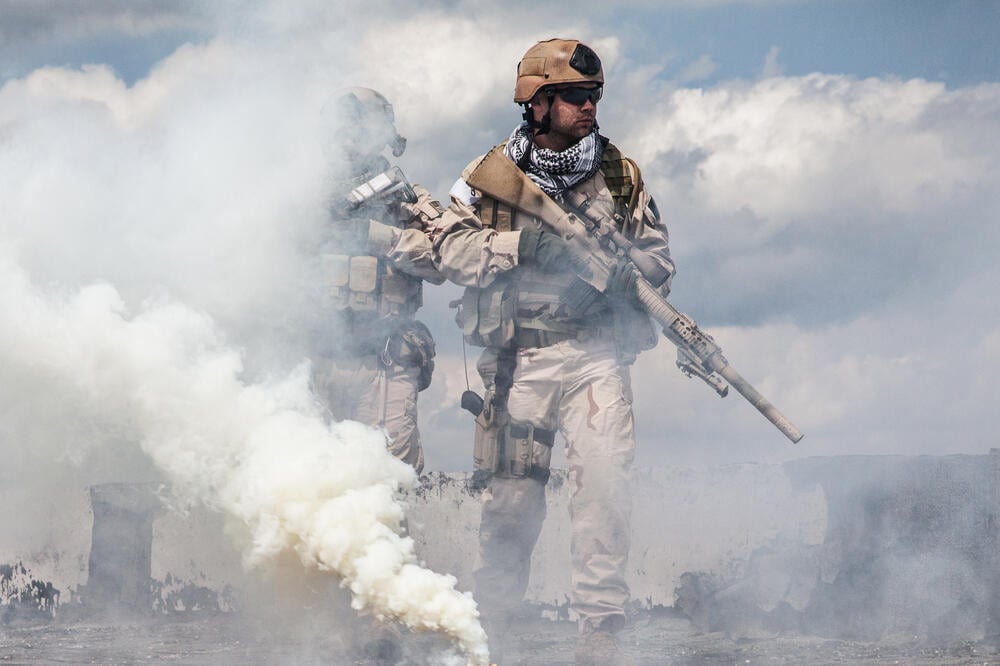
Joseph Rodgers, deputy director of the Center for Strategic and International Studies, told the newspaper that military action may be the most likely way to remove Iran’s existing nuclear stockpile if negotiations fail.
“I hate to say it, but I think the most likely way to get rid of Iran’s nuclear material, at least what they currently have, is a military operation because the negotiations aren’t going anywhere fast,” Rodgers said.
He described the prospective mission as potentially “the most sophisticated operation in military history,” citing the logistical demands of operating inside hostile territory while securing several sensitive locations.
The forces involved could include Navy SEALs, Army Rangers and specialists from the Army’s 21st Ordnance Company, according to The High Side, an independent publication cited by the Post. The ordnance unit would reportedly handle and transport enriched uranium from facilities including Fordo and Isfahan.
The International Atomic Energy Agency reported in 2025 that Iran possessed more than 20,000 pounds of enriched uranium, according to the Post.
Any ground operation would require U.S. forces to establish secure perimeters around the targeted facilities and protect convoy routes leading to an airstrip or extraction point, Rodgers said. Engineering crews could also be required to excavate entrances damaged in earlier strikes while other troops defended the sites from Iranian forces.
“You need to create a secure perimeter around all of the sites that you’re trying to go in and grab the material from,” Rodgers said. “That would require ground forces to secure a perimeter and then create a secure convoy route to the airstrip.”
Richard Goldberg, who served on the National Security Council during President Donald Trump’s first administration, said the duration of such a mission would be a central concern.
“So how long can you sustain that and still be able to exfiltrate all of your forces?” Goldberg told the Post.
The mission would also require U.S. forces to control an air corridor long enough to move personnel and nuclear material to a secure location.
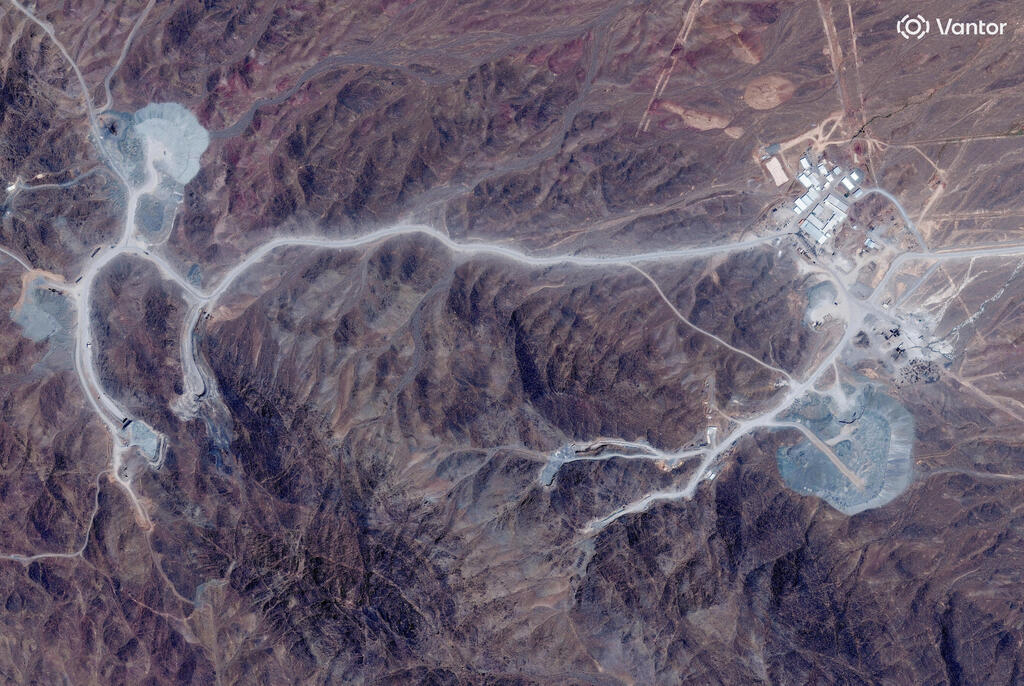
Pickaxe Mountain
(Photo: Vantor/Handout via REUTERS )
Iran has reportedly reinforced the Isfahan nuclear complex in anticipation of a possible raid. Goldberg said there had been reports of additional defenses, booby traps and security forces around the facility.
“There is no element of surprise at the moment,” he said. “The targets are fixed. We know where they are. The Iranians know where they are.”
CNN reported last month that Iran had placed mines and explosives inside tunnels at Isfahan, according to the Post.
Another possible target is Pickaxe Mountain near Natanz, where Iran has reportedly moved hundreds of centrifuges. Goldberg said a special operations mission there would more likely seek to destroy the underground facility than remove its equipment.
“We don’t know how many centrifuges are down there,” he said. “Would they be looking to actually disassemble, destroy, bring them out?”
Goldberg said troops could infiltrate the site, plant explosives and withdraw if airstrikes alone were not believed capable of collapsing the underground complex.
“That’s a destroy mission,” he said. “If you were to try to get into the facility, you’d be seeking to collapse the facility.”
The feasibility of an airstrike would depend on U.S. intelligence about the facilities’ design, structural vulnerabilities and access points, the Post reported.
Goldberg compared a possible raid on Pickaxe Mountain to a rapid infiltration operation in which troops enter, place explosives and leave before enemy forces can respond.
“Pickaxe Mountain, potentially, could be like the Maduro raid,” he said. “Because you are infiltrating, you’re setting explosives, and you’re getting out.”