


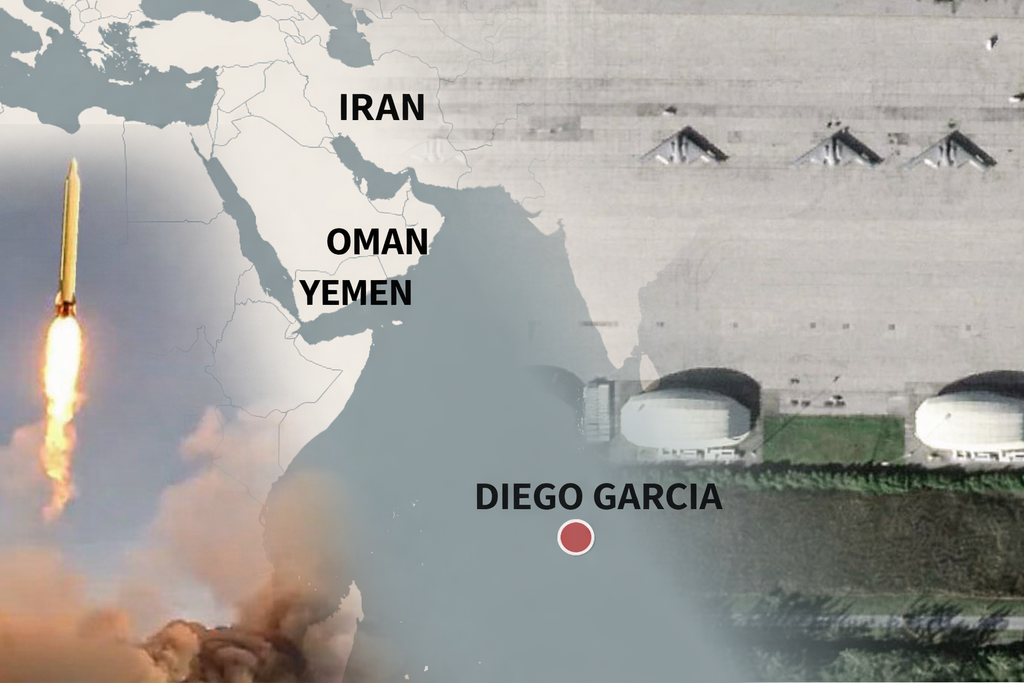
Iran’s missile attack on the Diego Garcia military base in the Indian Ocean is offering a new indication of the possible range of Tehran’s missile arsenal, after Iranian media and Western reports said two missiles were fired toward the U.S.-British military base on the island, about 4,000 kilometers (2,500 miles) south of Iran. Neither missile hit the base.
If Iran did fire missiles that far, even unsuccessfully, it would suggest a longer strike range than the roughly 3,000 kilometers Israeli officials had previously estimated.
Before the war, U.S. Secretary of State Marco Rubio warned that Iran could potentially strike targets in Europe. Iranian Foreign Minister Abbas Araghchi said last month that Iran had deliberately limited its missile range to 2,000 kilometers.
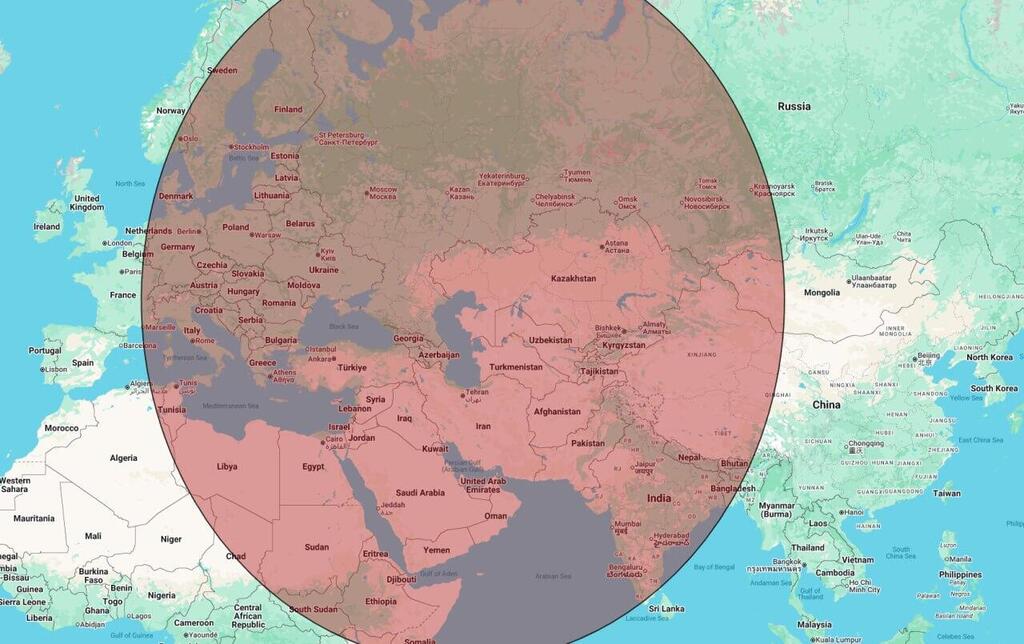
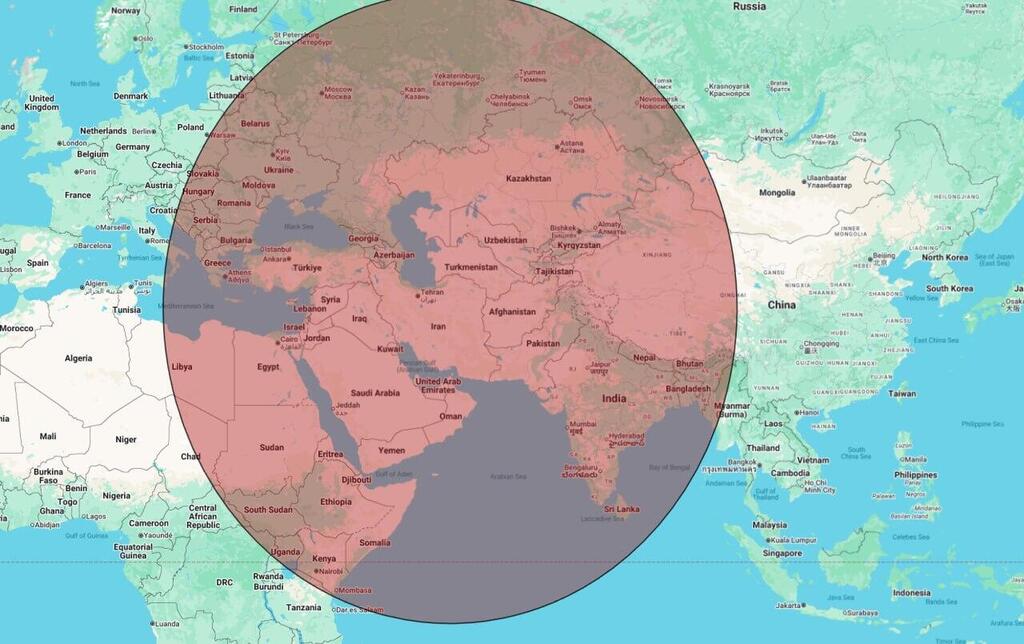
A range of 4,000 kilometers would expand the potential reach of Iranian missiles significantly, placing parts of Western Europe, including Germany, Finland and Austria, within range. It could also put parts of North and East Africa, including Kenya and Ethiopia, as well as countries in South Asia such as Bangladesh and India, and even parts of China, within reach.
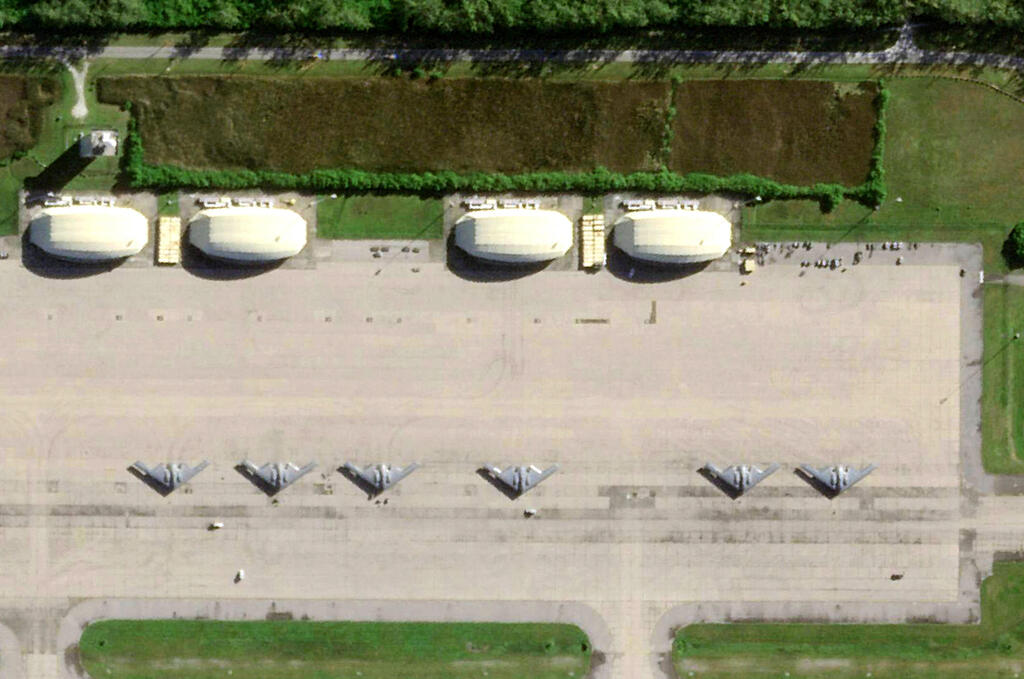
The Diego Garcia military base
(Photo: Handout / © 2025 PLANET LABS PBC / AFP)
The effective range would also depend on the launch site. To reach Diego Garcia, missiles would likely need to be launched from southern Iran, near the Strait of Hormuz. Missiles launched from Tehran could potentially reach Western Europe and parts of Scandinavia.
The attack on Diego Garcia was unsuccessful, with one missile falling short and another intercepted. Iranian state-linked media nevertheless highlighted the launch as a demonstration of long-range capability. The Mehr news agency described it as “a significant step” in threatening U.S. and allied interests beyond West Asia and said it showed Iran’s missile range exceeded what its adversaries had anticipated.
Missile range from Tehran puts even Western Europe within reach:
Missile range southern Iran, near the Strait of Hormuz:
Tal Inbar, a space expert and senior research fellow at the Missile Defense Advocacy Alliance, said the most likely system used was a Khorramshahr missile carrying a relatively small warhead, which could reach such distances if not intercepted. It is not known how many such missiles Iran possesses.
Iran has expanded its space program in recent years, launching satellites using technology that Western officials warn could also be adapted for long-range ballistic missiles.
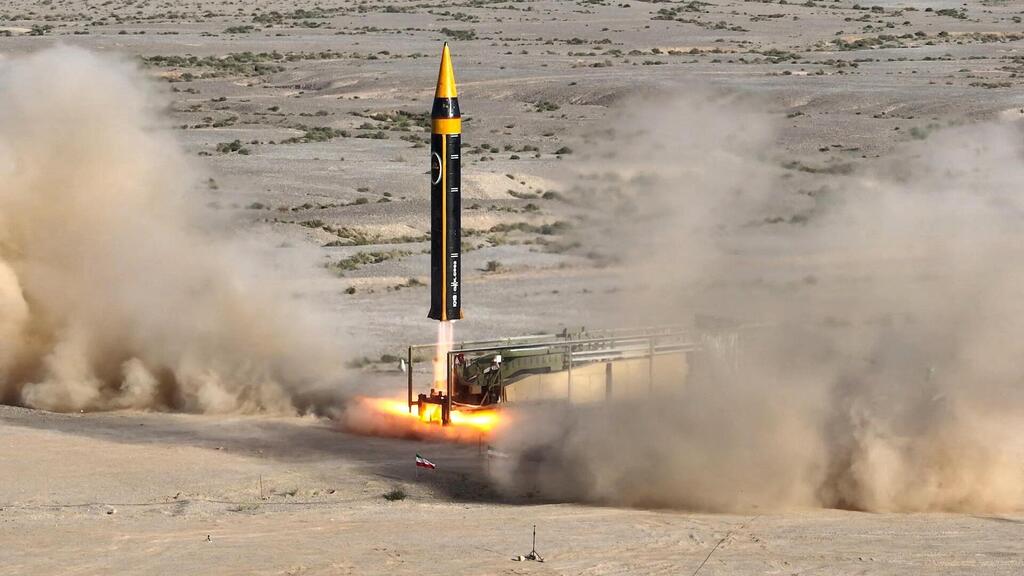
An Iranian Khorramshahr 4 ballistic missile
(Photo: Atta Kenare/AFP)
Inbar said another possible, though less likely, scenario could involve the use of a satellite launcher developed by Iran’s Revolutionary Guard, known as Qaem 105, mounted on a missile platform. He said such a system could theoretically reach distances of up to 5,000 kilometers if adapted for military use, though there is no evidence it has been deployed in that configuration and its operational bases may not currently be fully functional.
The reported launch came as Britain said it would allow the United States to use British military bases to carry out strikes against Iranian missile sites used to target ships in the Strait of Hormuz.
In a statement, British Prime Minister Keir Starmer’s office said ministers had discussed the war with Iran and the disruption of shipping in the Strait of Hormuz, and confirmed that agreements allowing U.S. use of British bases under collective self-defense include operations aimed at degrading missile sites and capabilities used in attacks on maritime traffic.