


The High Court of Justice ruled Thursday that National Security Minister Itamar Ben-Gvir will remain in his post for now, while ordering interim restrictions on his conduct and urging negotiations with the attorney general.
The court said Prime Minister Benjamin Netanyahu, Ben-Gvir and Attorney General Gali Baharav-Miara must update it by May 3 on whether they have reached agreed terms following a marathon hearing a day earlier.
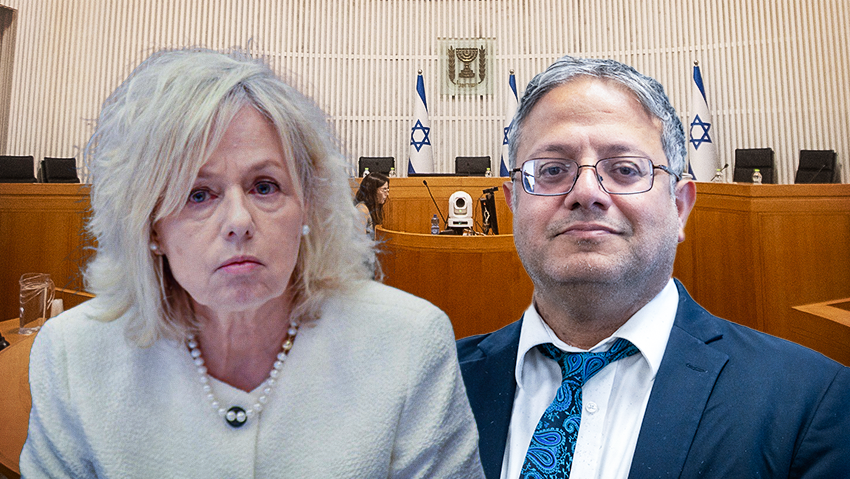
As part of its decision, the court issued two interim orders. It ruled that senior and sensitive appointments in the police, at the rank of superintendent and above, must be made only in accordance with the recommendation of the police commissioner and with seven days’ advance notice to the attorney general, who may issue a legal opinion on the appointments.
The court also ordered that the minister refrain from making public statements regarding the use of police force against civilians, including in ongoing investigations.
The attorney general had requested four interim orders, including barring the minister from advancing sensitive appointments, joining operational police activity involving contact with civilians, maintaining direct contact with police officers without the commissioner present and commenting on police use of force. The court adopted only the restriction on public statements.
Despite government opposition, the court also ordered that draft materials from previous negotiations between the sides be submitted for its review.
The ruling follows petitions seeking Ben-Gvir’s dismissal, citing alleged repeated interference in police operations. Legal officials said ahead of the hearing that negotiations were being considered in an effort to avoid a judicial decision in the sensitive case, but stressed that interim measures were necessary to prevent further harm to police independence during any talks.
According to those officials, without temporary restrictions there was a real concern the minister would continue intervening in operational decisions and making improper appointments, potentially causing irreversible damage. They said such measures were needed to enable structured negotiations and create an incentive for reaching an agreement.
(Photo: Flash 90)
Ben-Gvir, through his attorney, had opposed any interim orders and said that if such restrictions were imposed, there would be no need for negotiations and the court should instead issue a final ruling. He maintained that he was willing to continue talks but rejected conditioning them on limits to his authority.
Speaking earlier at an Independence Day event at the police academy in Beit Shemesh, Ben-Gvir sharply criticized the court and the attorney general, calling the effort to remove him “absurd.” He defended his conduct, saying he supports police officers and visits the field, while denying that he encourages unlawful use of force.
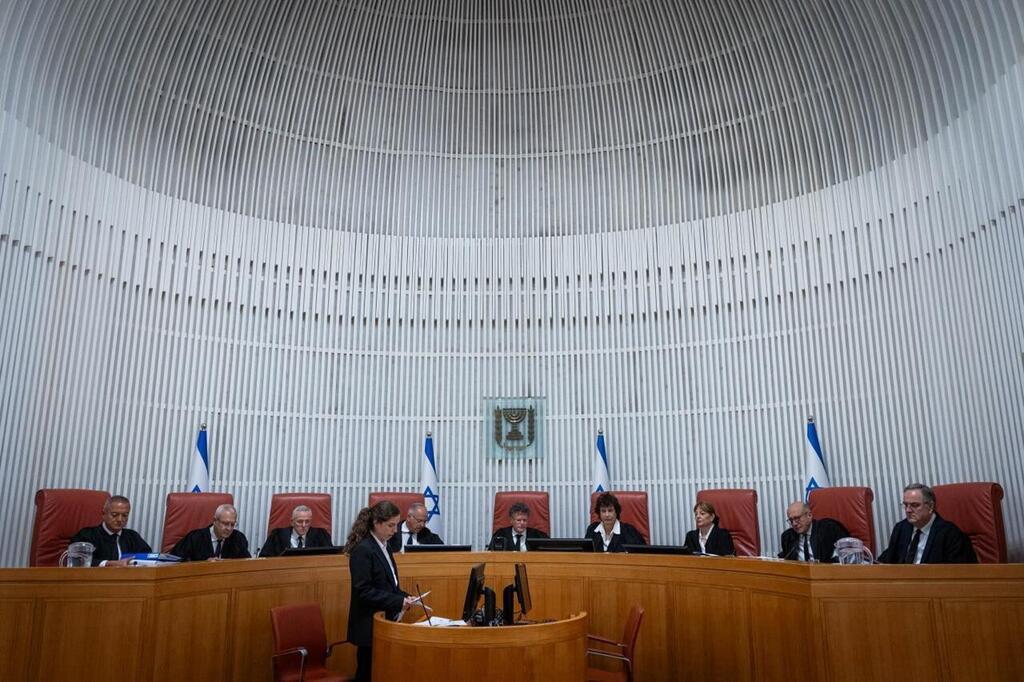
The High Court hearing lasted about 10 hours and was held before an expanded panel of nine justices. The petitions seek to set a legal precedent by expanding existing case law, which requires a prime minister to dismiss a minister indicted on criminal charges, to include dismissal over alleged repeated misconduct and interference.
The justices voiced criticism of Ben-Gvir’s conduct but also expressed reservations about the attorney general’s request, with one justice noting that removing a minister by court order would be an extreme step rarely seen internationally and should be avoided if possible.
Under Israeli law and previous rulings, police independence is considered a fundamental principle. While the minister overseeing the police may set policy and has authority over appointments, he is not permitted to intervene in operational matters.
The attorney general submitted documentation outlining dozens of incidents she said amounted to unlawful interference. The court is expected to consider whether those actions justify further steps, including the possibility of removal, if no agreement is reached.