

President Donald Trump and senior U.S. military officials warned Israel against striking oil storage facilities in Tehran, but the attack went ahead anyway, according to a report published overnight by The New York Times.
The report said Israel and the United States are fighting together in the war with Iran but have disagreed over certain military targets and broader war aims, including the possibility of toppling Iran’s leadership and the decision to attack key energy infrastructure.
IDF strikes in oil depots in Tehran


Prime Minister Benjamin Netanyahu initially said the war would remove what he described as the existential threat posed by Iran. In more recent comments, however, he said the aim is to weaken Iran’s nuclear and ballistic missile capabilities rather than bring about immediate regime change.
According to The New York Times, Trump and the commander of U.S. Central Command warned Israel against striking fuel storage depots around Tehran, fearing such attacks could provoke Iranian retaliation against energy infrastructure in the Persian Gulf.
Despite those concerns, Israel struck fuel depots in and around Tehran about a week ago, sending large plumes of black smoke into the sky and contributing to a rise in global oil prices.
Some officials in Washington believed Netanyahu wanted dramatic images of Tehran covered in thick black smoke from the strikes, the report said, in hopes that the scenes would create pressure and instability within Iran’s leadership.
Instead, Iran launched drone attacks on oil refining and storage facilities in Saudi Arabia and the United Arab Emirates, according to the report. The strikes forced a temporary halt to oil loading at the port of Fujairah on Saturday, one of the UAE’s largest export terminals.
Iran said the attack near Fujairah was retaliation for earlier U.S. strikes on Iran’s Kharg oil island, though Washington avoided directly targeting oil exports there.
The report said Trump has spoken almost daily with Netanyahu since the war began while also holding frequent conversations with other regional leaders, including Saudi Crown Prince Mohammed bin Salman.
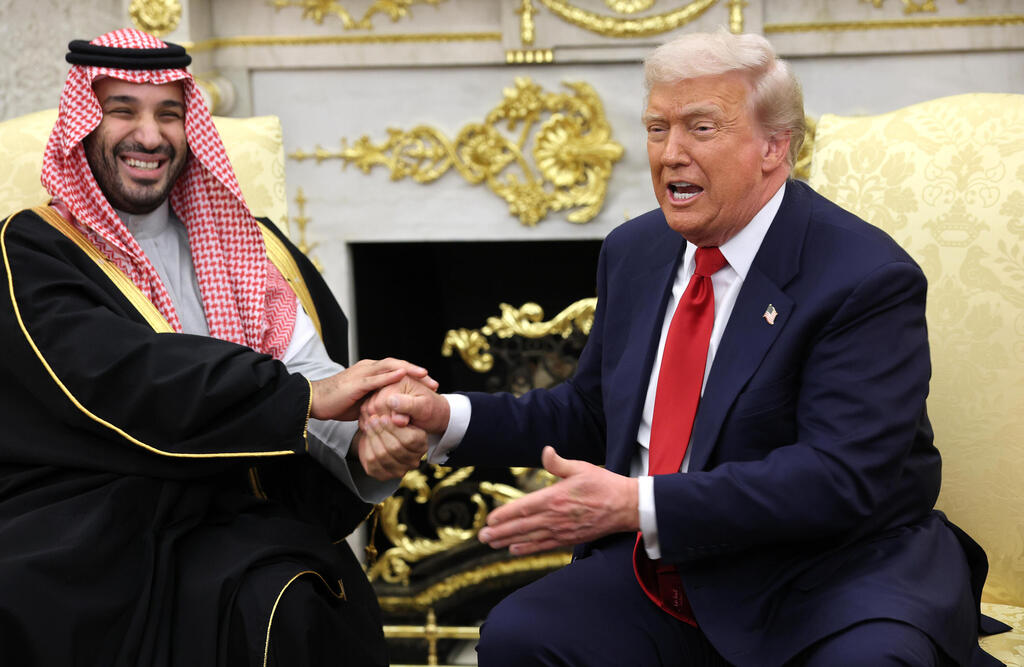
Several officials in Washington told the newspaper that the Saudi leader advised Trump to continue striking Iran forcefully, echoing advice once given by his father, the late King Abdullah, who urged the United States to “cut off the head of the snake,” referring to Iran’s leadership.
Despite early successes in damaging Iran’s missile arsenal, navy and air defense systems, the report said Iran’s nuclear program remains a major challenge.
Much of Iran’s uranium enriched to 60% is believed to be stored in underground tunnels near Isfahan. The uranium is kept in containers small enough to fit inside the trunk of a car, but accessing them is difficult because earlier U.S. strikes caused many tunnel entrances to collapse.
Western intelligence agencies believe some access points to the facility have since been reopened, but retrieving the material would still require either a covert special forces operation or a large military force working for days or weeks to carefully extract the containers.
Officials warned that damaging one of the containers could create a radioactive incident, and that storing damaged containers too close together could risk a dangerous nuclear reaction.
U.S. officials also told the newspaper that Iran has shown a greater willingness than expected to disrupt the global economy by threatening to close the Strait of Hormuz or expand the war across the region.
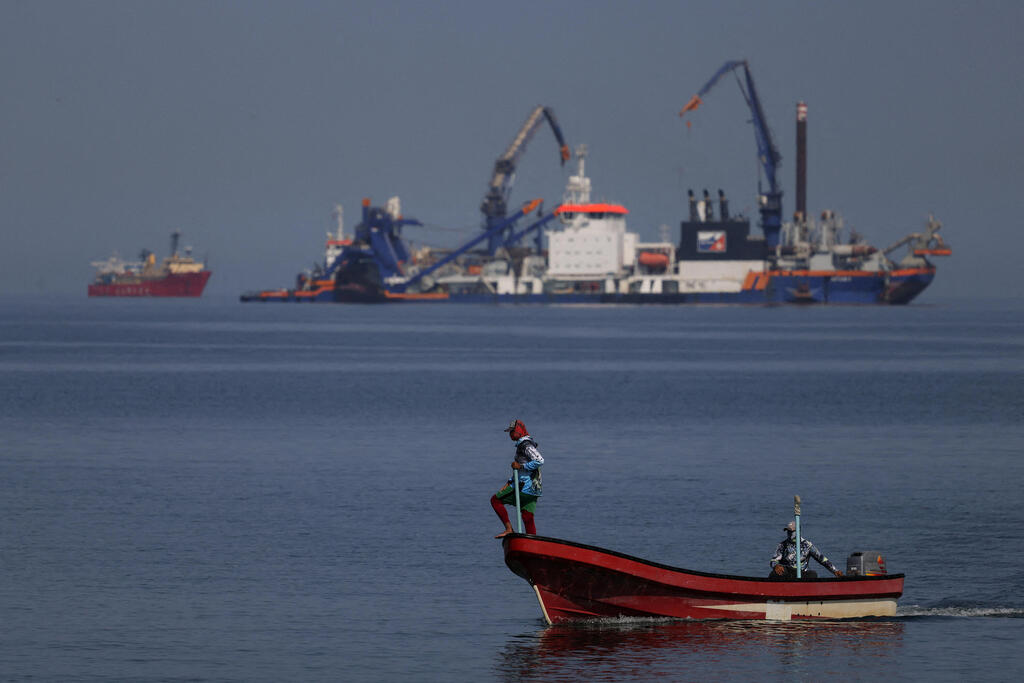
(Photo: REUTERS/Stelios Misinas)
One option under discussion is escorting oil tankers and commercial vessels through the strategic waterway with U.S. naval forces, though such an operation would be costly and risky and could take time to organize.
Trump has called on NATO countries to help secure the strait by sending warships, though it remains unclear how allies will respond.
Meanwhile, the IDF said over the weekend that it carried out strikes on about 30 fuel storage sites in Tehran used by Iran’s military forces.
According to the military, Iranian armed forces rely on the fuel depots to operate military infrastructure and to supply fuel to military units.
The strikes were described as a significant step in expanding attacks on Iran’s military capabilities.
The broader goal of the campaign by Israel and the United States is to disrupt Iran’s military production chain — from weapons manufacturing facilities to storage sites, launchers and the personnel who operate them.
Future operations could include the use of U.S. bombers capable of striking targets deep underground.