


An IDF representative pledged during a Knesset committee meeting Monday that every lone soldier in regular service who transitions into reserve duty will be officially classified as a reserve lone soldier. This fixes the current situation in which a lone soldier is recognized as such during regular service but the designation — and the rights and support that come with it — does not follow them into the reserves.
The pledge came during a meeting of the committee on Immigration, Absorption and Diaspora Affairs, chaired by Knesset lawmaker Gilad Kariv.
Since the outbreak of the Swords of Iron War, the committee has held discussions on the unique needs of lone soldiers, arriving at the understanding that tailored support — whether they are new immigrants or individuals without family support — requires specialized accommodations.
For example, the process of being recognized as suffering from post‑trauma with the IDF Rehabilitation Branch involves bureaucracy and procedures that can be challenging even for native Israelis, and can be even more complicated for lone soldiers due to language and cultural barriers and a lack of familiarity with their entitlements. A ynet inquiry to the IDF Rehabilitation Branch confirmed that no dedicated representative currently handles lone soldier cases.
The session opened with the painful story of reserve soldier Joshua (Josh) Boone, a lone soldier who immigrated from the U.S. to serve as a combatant in the IDF and completed about 750 days of reserve duty over the past two years. Last week, he was found dead in his home in Be’er Sheva. Data presented at the hearing indicated that since the outbreak of the war there have been 15 suicide cases among soldiers who were not under active reserve orders at the time of death, but whose deaths are connected to their military service. During this period, 74 soldiers took their own lives and another 279 attempted suicide.
"We are dealing here with matters of life and death for lone reservists," Kariv said. "About 100 new immigrants fell in battle and hundreds more were wounded and have since struggled with physical and mental rehabilitation and trying to return to normal life. We are witnessing very severe psychological harm in many cases of reservists after they leave service.”
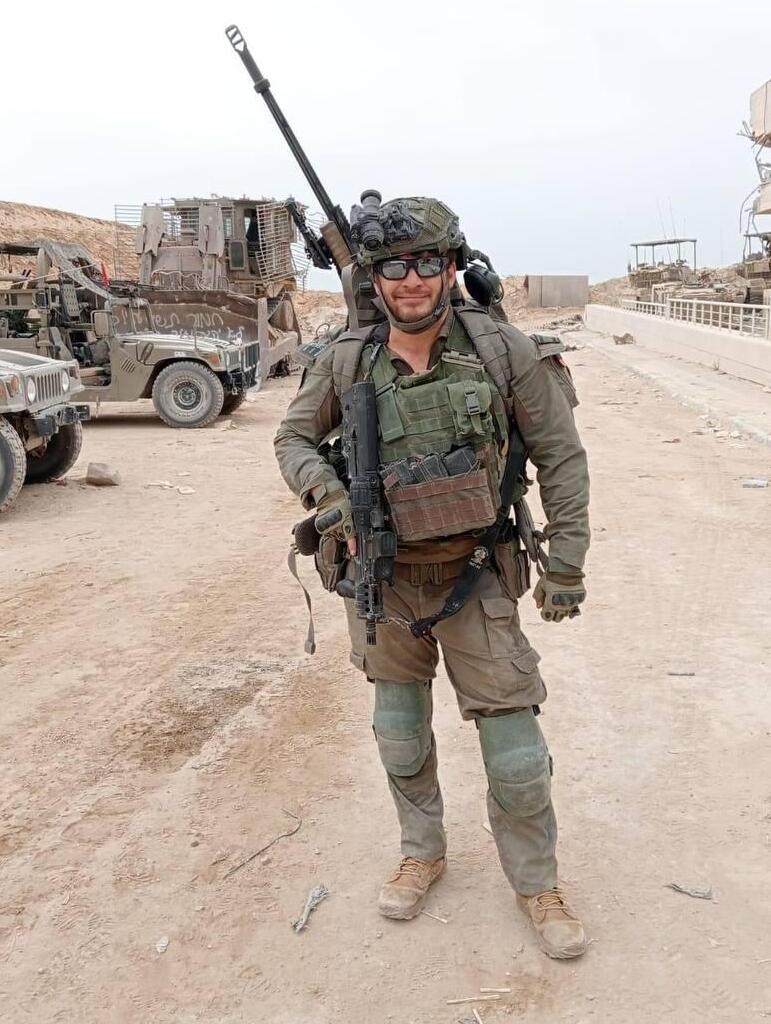
Lone soldier Josh Boone committed suicide shortly after serving 750 days in reserve duty
Kariv addressed the transition from regular service to reserves and civilian life, arguing that the system must create a supportive framework that continues to accompany soldiers after discharge or between reserve cycles. “A lone soldier receives full support while serving in the IDF, but when he is discharged he is left alone,” he said. He also presented a bill introduced Monday aimed at providing legal assistance to discharged soldiers in the process of obtaining recognition for post‑traumatic conditions.
Knesset lawmaker Yevgeny Soba criticized the current situation. “The seam between military service and civilian life is a responsibility of the state, but the government leaves discharged immigrants without support and without financial backing. This is not what absorption policy should look like, and it does not strengthen loyalty and real partnership.”
Brig. Gen. David Harush, David Harush, head of personnel and governance division in the IDF, acknowledged that the IDF needs to change policy. "Starting in 2026, every lone soldier in regular service who transitions to reserve duty will be defined from day one as a reserve lone soldier. The goal is for all levels of command in the field to recognize the change in definition, which will increase the number of lone soldiers serving in the reserves. Every commander will know in advance before calling his soldiers up who is defined as a lone soldier and what benefits they are entitled to.”
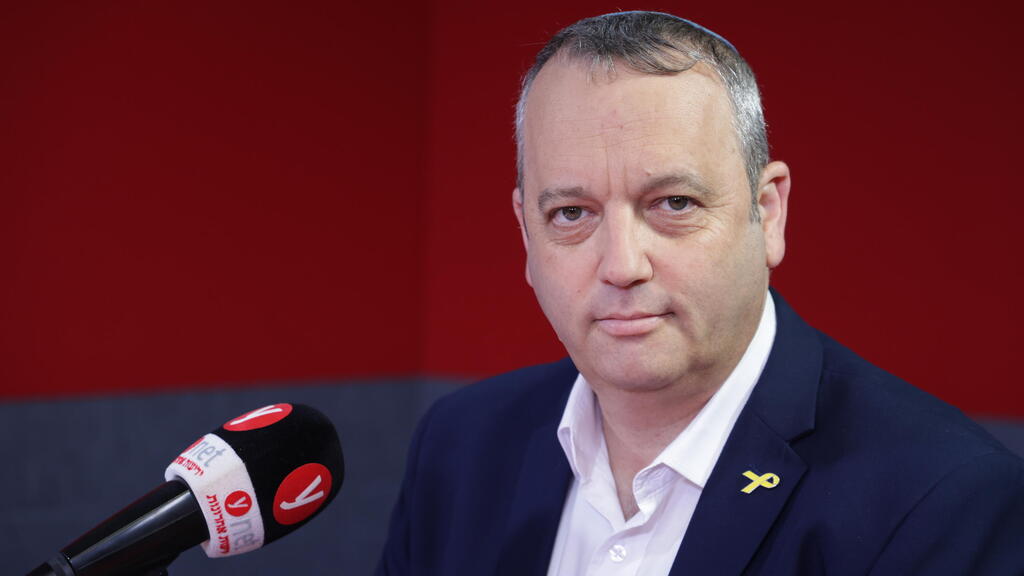
Knesset lawmaker Gilad Kariv
(Photo: Avigail Uzi)
“Lone soldiers will be entitled to five organization days during their reserve service," he added. "The IDF has the tools and budget to provide for the support program for lone soldiers in both reserve and regular service, and it also includes many donation funds from various organizations and nonprofits.”
Adi Wales, director of the Social Services Department at the Ministry of Immigration and Absorption said that “to maintain effective contact with lone soldiers and immigrants, we must receive lists of discharged soldiers more frequently from the IDF so we can effectively track them.”
Yossi, a representative of the combat trauma protest group, said: “There needs to be an official body in the State of Israel, under the Defense Ministry or the IDF or another official state institution, that knows how to identify distress among discharged soldiers. They shouldn’t have to hire lawyers to represent their interests. Soldiers are falling between the cracks of different agencies — we need efficient and quick action.”
Elinoam Horesh, a lone reservist and volunteer with the “Big Brother” association that supports and accompanies lone soldiers, was also present at the committee meeting. Afterwards, he told ynet: “Lone soldiers and reservists do not commit suicide because they are lone. Each case is its own world — individual, human and tragic — and there is no causal link between ‘lone soldier’ status and suicide. What is true is that the systems and the bureaucracy are more difficult for them, and sometimes they have to fight the state alone. They need close support, proactive information dissemination, and systemic support tailored to their needs.”
Earlier Monday, the Special Committee for Oversight of Barrier Removal Processes, chaired by Knesset member Michael Biton of the National Unity party, held a discussion on recognizing soldiers who took their own lives. Biton asked the IDF Human Resources Directorate to present within two weeks a medical investigation into the death of reservist soldier Josh Boone, and to examine whether he can be posthumously recognized as a fallen IDF soldier. The IDF had decided not to recognize him as a fallen soldier but instead as someone who “died after his service,” and he was buried in a civilian funeral.