


The routine for soldiers of the Nahal Brigade’s 931st Battalion never stops. Just three months ago, the battalion was operating deep inside Lebanon. It is now engaged in intensive operations with the Ephraim Regional Brigade in the West Bank. But between nighttime arrests in Tulkarm and weapons searches in villages, the troops are also required to maintain a high level of readiness, with their eyes on the northern front.
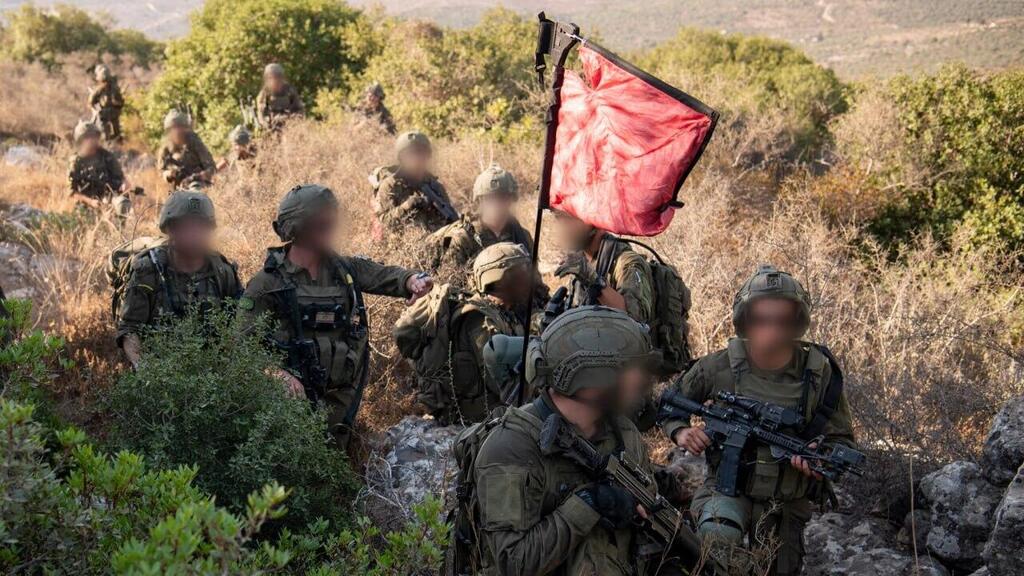
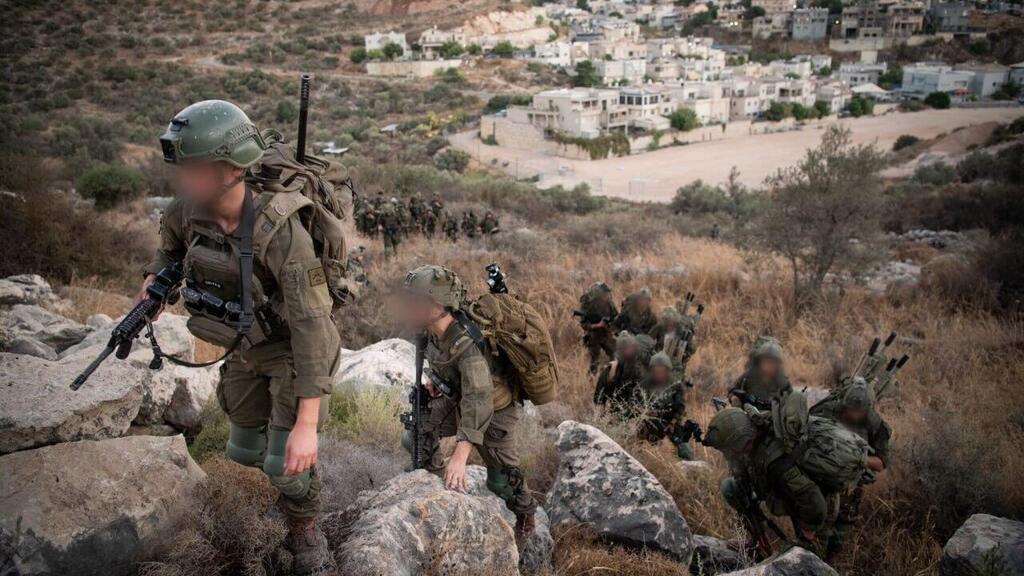
This week, the battalion completed a two-day intensive exercise in the Kana Stream area designed to simulate combat in the dense, mountainous terrain of southern Lebanon.
(Photo: IDF Spokesperson’s Unit)
In a special interview, the battalion commander, Lt. Col. N., described the sharp transition from daily counterterrorism operations in the West Bank to preparing for the next war in the north. He discussed the evolving response to the drone threat, the added challenge posed by extreme heat and what he considers the most important factor of all: the confidence of the soldier on the front line.
The return to the West Bank required the battalion to immediately plunge into intensive counterterrorism and disruption operations.
“We operate in the Ephraim Brigade every day, from weapons searches to arrests and questioning in the field,” Lt. Col. N. said. “I arrived here right as there was a string of attacks. There is no doubt that raised the tension. You can feel it. But we work very closely with the Shin Bet and police and are doing some very good things together. Just a few weeks ago, after hearing gunfire, we searched one of the locations and found a handgun.”
He added: “Alongside that, of course, is the daily mission of protecting civilians and thwarting terrorist attacks. The directive is clear. There are targets the battalion identifies based on gunfire in the area or in the villages. The battalion intelligence officer analyzes the terrain and we initiate offensive operations. We do not wait for the Shin Bet to tell us whom to arrest. We take a great deal of initiative at the battalion and brigade levels.”
'We operated mainly at night'
(Photo: IDF Spokesperson’s Unit)
(Photo: IDF Spokesperson’s Unit)
Despite its operational routine, the battalion also conducted a full-scale exercise in the Kana Stream area. The terrain, marked by deep wadis, steep ridges and dense vegetation, provides a realistic simulation of Lebanon’s rugged, overgrown landscape.
“We made use of the terrain that best simulates Lebanon,” the battalion commander said. “It was a full battalion exercise, despite manpower constraints because we are also holding an operational sector, and it included all the components — fire support, drones, a complete operational command structure, enemy simulation and explosive drones.
“The wadis and dense vegetation forced commanders and soldiers to reassess the terrain. That is a key lesson from the fighting: Everything begins with terrain analysis, especially in a place like Lebanon, which is unlike any other sector.”
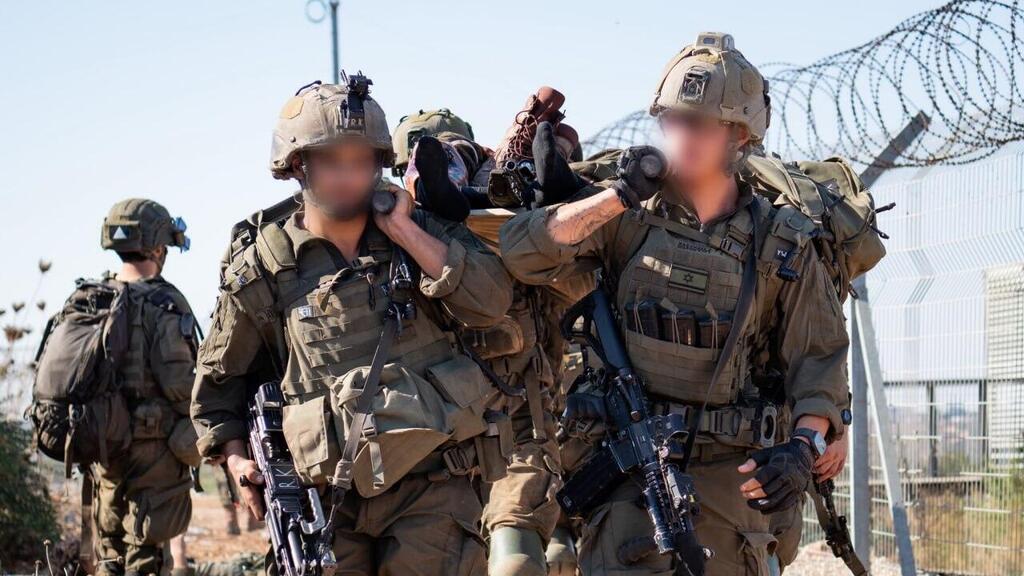
The intense heat added another physical challenge, particularly during an exercise in which soldiers were carrying heavy loads.
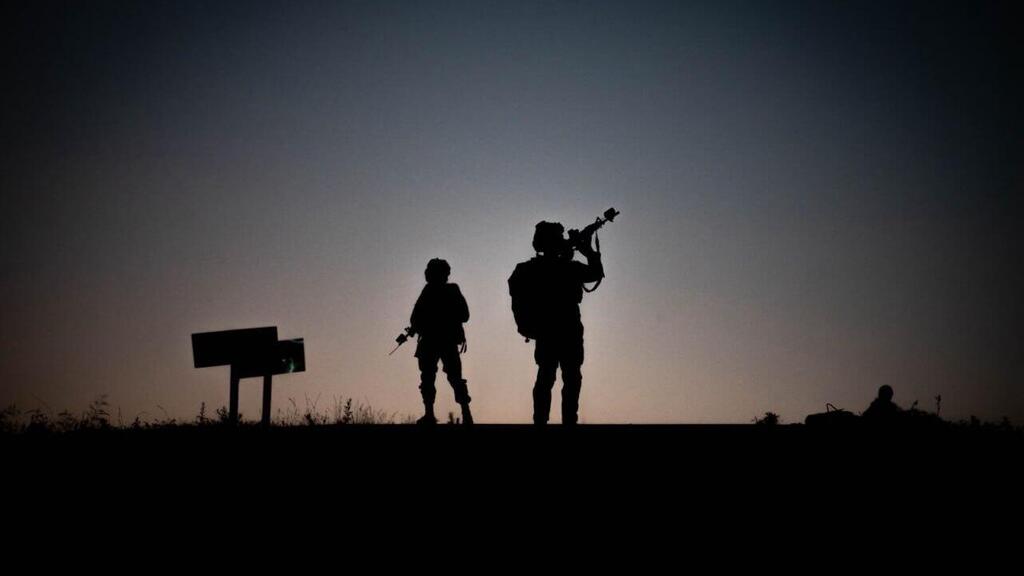
“It definitely made things harder,” Lt. Col. N. said. “We had to time the activity according to the orders. We postponed some maneuvers by an hour or two until the heat eased and operated mainly at night. War is challenging, and moving through difficult terrain with heavy loads under strict procedures is exactly what prepares us.”
Responding to the drone threat
One of the main threats faced by the military in Lebanon has been Hezbollah’s use of explosive drones, including fiber-optic-guided systems. Lt. Col. N. acknowledged that the military had struggled with the threat at first.
“It is no secret that there was frustration in the military over this threat in the early stages,” he said. “But today we are preparing for the war that will come, not the war that was. A structured response procedure has been written, there are defensive methods and technological solutions for protection and interception that the military is developing together with civilian companies.
“During the exercise, all our systems were networked and the soldiers practiced a precise response procedure.”
Asked how that affects soldiers on the front line, he said: “Once there is a clear procedure and the soldier understands what he can do at his level to deal with the threat, it raises confidence by several levels. The drone arena is still the main challenge in the next war in Lebanon, and the enemy is investing heavily in it, but there are entire teams in the IDF working on this. When the soldier understands that he has a response, he arrives calmer and more focused.”
Summing up the exercise, the battalion commander said the greatest achievement was not only tactical but also a matter of morale.
“A soldier came up to me at the end of the exercise and said it had been challenging and difficult, but that his confidence in his commanders, his weapons and his fellow soldiers had increased,” he said. “Once that happens, I know I have done my job.
“The Nahal Brigade is at the forefront of training while maintaining operational deployments, and the confidence of the unit as a whole is the most important component for victory in any sector we are called to.”