

Israel’s Rafael, which produces components for air defense interception systems, has reached an agreement to acquire a Volkswagen plant in Osnabrück, Germany. The long-standing facility, owned by Europe’s largest carmaker, had faced possible closure due to declining demand and efficiency measures.
According to a Reuters report, the sale—under discussion for several years—is expected to prevent the layoff of thousands of workers, who will be retrained to manufacture defense systems.

Two sources familiar with the matter said Volkswagen and Rafael have already signed a memorandum of understanding for the sale of the western Germany plant. The development comes about two months after reports of talks between the parties during the Israel-U.S. conflict with Iran.
The German government has encouraged the move as part of a broader strategic shift aimed at reducing reliance on U.S. defense support and strengthening Europe’s largest economy’s independent defense industry.
Rafael is a key partner in producing Israel’s Iron Dome and David’s Sling air defense systems, designed to intercept missiles and rockets from Iran, Gaza, and Lebanon. The Osnabrück plant is expected to manufacture engines for interceptor missiles, while explosive components for warheads will be produced separately for security reasons, according to a source.
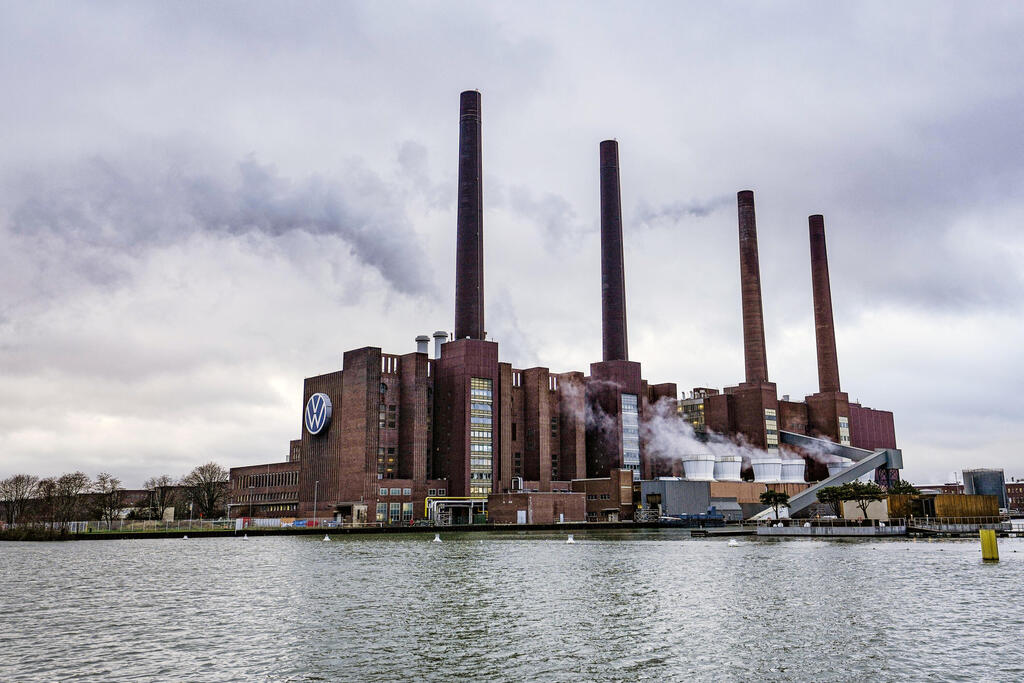
Volkswagen plant
(Photo: AP)
The plant currently employs around 2,300 workers. Volkswagen had initially considered producing offensive military systems at the site but ultimately opted to prioritize defensive systems.
Berlin is seeking to expand domestic production of weapons and defense systems, reducing reliance on U.S. procurement and protection under NATO, which has faced tensions following criticism from former U.S. President Donald Trump, who argued the alliance does not sufficiently serve American interests.
The prolonged Russia-Ukraine war and concerns over Russian expansion westward under President Vladimir Putin were also cited as factors in the decision. Germany’s Defense Ministry, Rafael, and Volkswagen declined to comment. A ministry spokesperson said it is working closely with the Economy Ministry to advance cooperation between the public and private sectors in defense.