

Volkswagen, Europe’s largest automaker — founded as part of efforts to stabilize the German economy under Adolf Hitler — could become a key supplier of components for Israel’s Iron Dome air defense system, a cornerstone of civilian protection in the current conflict.
Volkswagen is in discussions with Israeli defense company Rafael, The Financial Times reported Tuesday, citing sources familiar with the talks. If finalized, Iron Dome components would be manufactured at the company’s plant in Osnabrück, Germany.
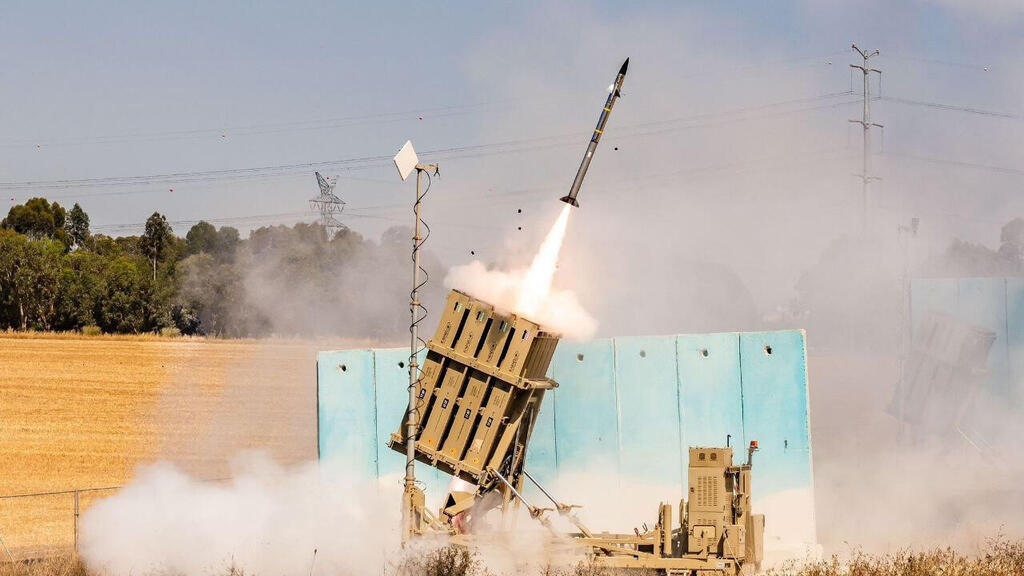
Planned items include specialized trucks for transporting interceptor missiles, parts for launchers and power generators. Volkswagen would not produce the interceptor missiles themselves, according to the sources.
At this stage, the parties have neither confirmed nor denied the report. According to Reuters, Rafael, the German Defense Ministry and Volkswagen all declined to comment.
If approved, the deal could help Volkswagen avoid laying off 2,300 workers, as the decision to cease car production at the plant was made several years ago. The facility currently produces the T-Roc Cabriolet, a compact convertible SUV based on a model previously marketed in Israel.
Reports indicate the German government is aware of the talks and supports cooperation between Volkswagen and Rafael. Sources involved in the discussions believe that, if an agreement is signed, Volkswagen could become a major Iron Dome supplier within a year to a year and a half — provided its labor union agrees to shift from car manufacturing to weapons systems production.
(Photo: Getty Images)
Although its first car — the Beetle — was designed at Hitler’s request, Volkswagen emerged as a major automaker under British military administration after World War II. Major Ivan Hirst, the British officer tasked with rebuilding West Germany, chose to restore the Volkswagen plant in Wolfsburg and convert it into a civilian car factory — initially for the British army and later for German civilians. This initiative gave rise to the Beetle, which helped revive Germany’s economy and became one of the best-selling cars in automotive history.
Today, Volkswagen is generally not involved in manufacturing military vehicles or technologies. Aside from specialized versions of models such as the Transporter and Crafter used by emergency services and some European militaries, and a chassis version of its Amarok pickup, the company does not produce dedicated military vehicles.
Historically, however, Volkswagen did manufacture off-road vehicles used by military forces, including the Type 181 between 1968 and 1983, and the Iltis in the early 1980s, which also competed in the Paris-Dakar Rally.