

An Iranian official acknowledged Tuesday afternoon that at least 2,000 people were killed in the crackdown on widespread protests in the Islamic Republic — a figure far higher than those previously verified by human rights groups, but still well below estimates by Iranian opposition activists abroad.
The official, who spoke to Reuters, said members of the security forces were among the dead and blamed “terrorists” for the high number of casualties, echoing the Iranian government’s longstanding line that accuses “rioters” of violence and damage, allegedly in the service of Israel and the United States.
Gallery
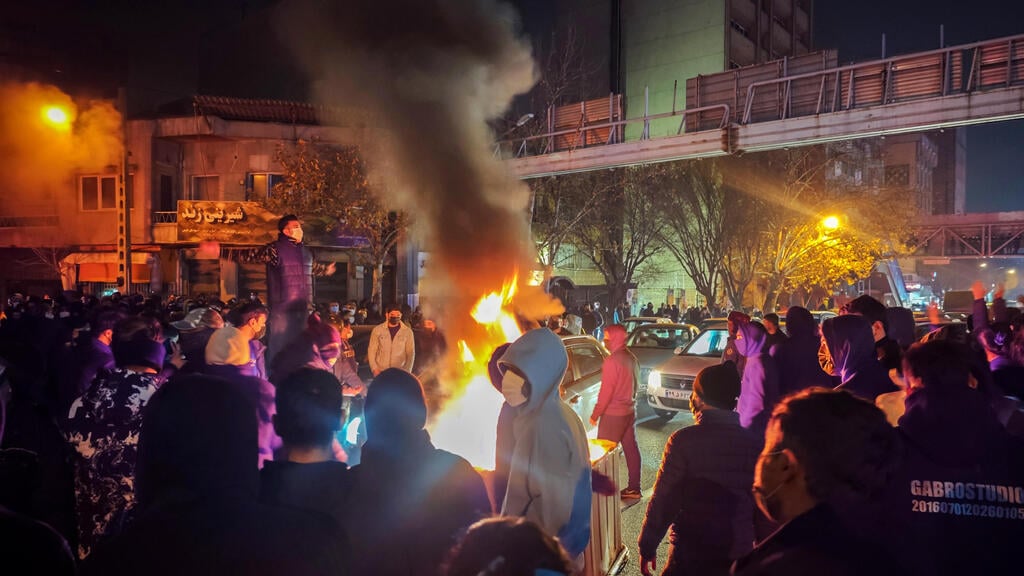
One of the protests in Tehran at the height of the unrest on January 8
(Photo: Anonymous/Getty Images)
The admission came hours after a dramatic report aired Tuesday morning by Iran International, a London-based Persian-language opposition channel, which claimed that a comprehensive review based on testimonies and field reports found that at least 12,000 people were killed in the protests. The channel described the events as “the largest massacre in modern Iranian history.” The report has not been independently verified and its reliability remains unclear.
According to Iran International, most of the protesters were killed over two consecutive nights, Jan. 8 and 9, with the majority allegedly executed by Iran’s Revolutionary Guard Corps and the Basij, a volunteer militia subordinate to the Guard that has previously been used to suppress anti-regime protests. Jan. 8, a Thursday, marked a dramatic escalation in demonstrations that began in late December, when large crowds responded to a call by exiled crown prince Reza Pahlavi, son of the shah overthrown in the 1979 Islamic Revolution, to take to the streets at exactly 8 p.m. Nationwide internet access was cut at the same time.
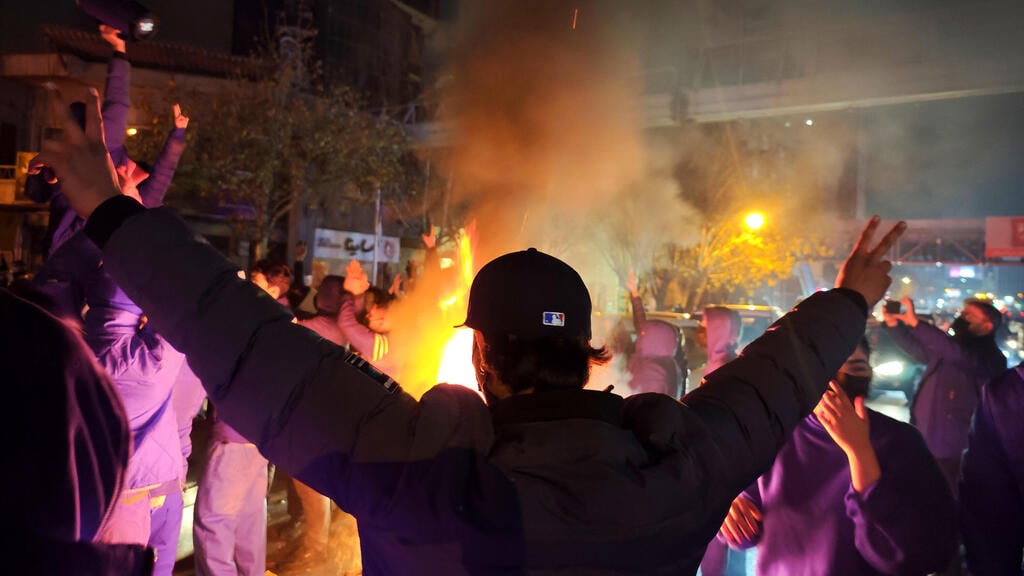
(Photo: Anonymous/Getty Images)
Iran International reported that many of those killed were under the age of 30. “This massacre was fully organized and not the result of ‘sporadic, unplanned clashes,’” the channel said, claiming it was carried out on the personal orders of Supreme Leader Ayatollah Ali Khamenei.
Both the figure cited by the opposition channel and the number acknowledged by the Iranian official are significantly higher than previous reports. Iran Human Rights, a Norway-based organization that relies on sources inside Iran, said Monday it had verified the deaths of 648 protesters since the demonstrations began Dec. 28. The group noted, however, that there is an unverified estimate placing the death toll at more than 6,000.
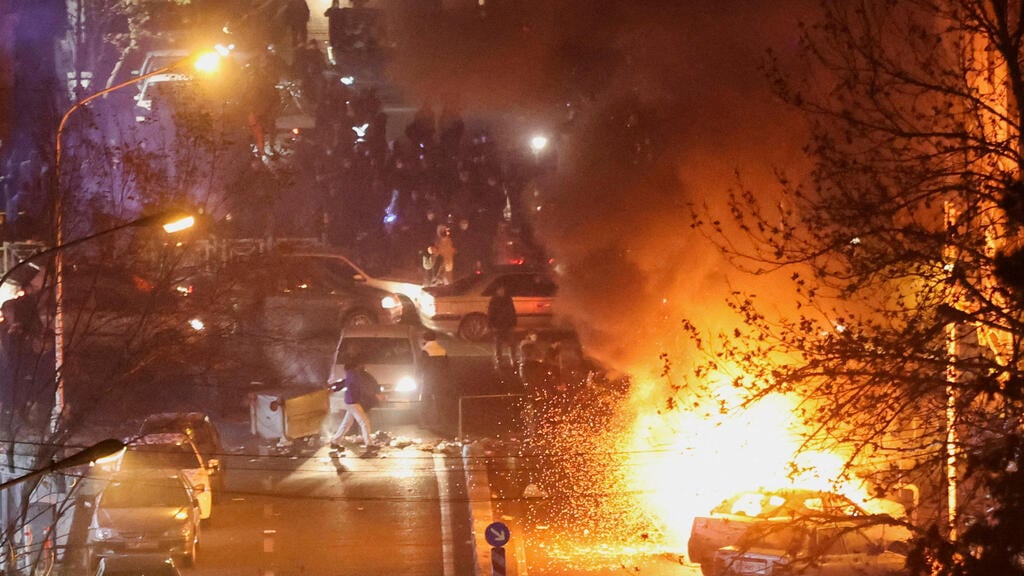
Demonstration against the regime in Tehran, on a night that was described as a 'massacre'
(Photo: tringer/WANA (West Asia News Agency) via Reuters)
The latest reports came after Iranians on Tuesday morning were able, for the first time, to place calls abroad following four days of a complete communications blackout. The Associated Press reported that several people in Tehran managed to call the news agency, but noted that its bureau in Dubai was unable to return calls to those numbers.
Iran cut internet access and international calls last Thursday as protests intensified, and the network has remained down across the Islamic Republic for more than 100 hours.
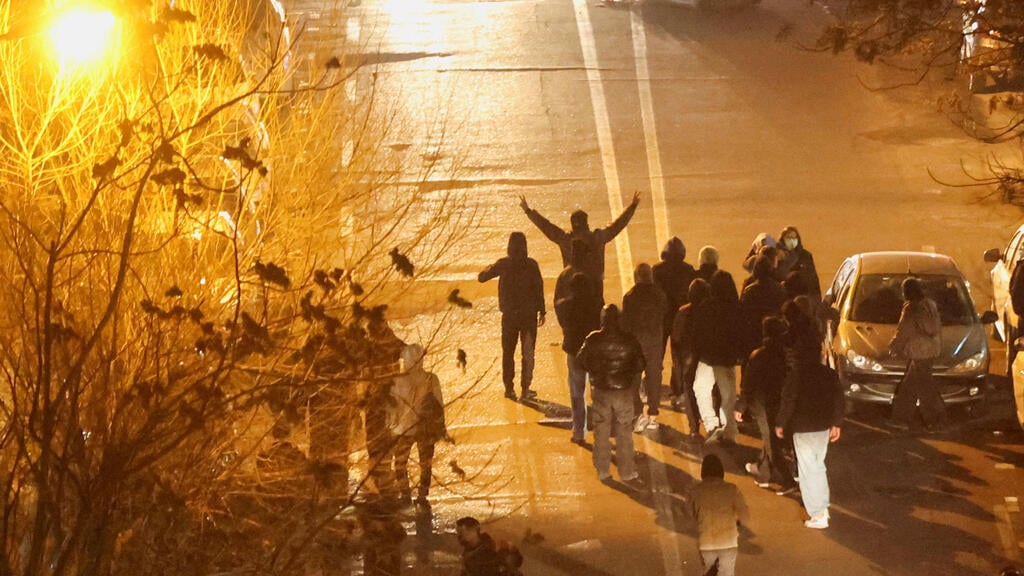
(Photo: Stringer/WANA (West Asia News Agency) via Reuters)
Trump’s options and Europe’s alarm
The New York Times reported overnight, citing U.S. officials, that President Donald Trump is weighing diplomatic options with Iran amid the wave of mass protests, as well as the possibility of military action aimed at deterring Tehran from killing additional protesters. According to the report, the Pentagon has presented Trump with a broader range of strike options than previously disclosed.
Potential targets include Iran’s nuclear program, in what was described as a more significant strike than the one carried out during the 12-day war in June. One official also cited the possibility of targeting ballistic missile sites.
However, U.S. Ambassador to Israel Mike Huckabee dismissed the prospect of military action: “At this moment, neither the United States nor Israel is planning military involvement,” he told Sky News. “It would be a mistake to think the U.S. and Israel are jointly planning something on Iran. There is cooperation, but the U.S. is not actively pushing for escalation.”
Trump: 'We are looking at very strong options regarding Iran'


According to The Times, the most likely responses include a cyberattack or strikes on Iran’s internal security forces. Any military move is said to be days away and could provoke a “vigorous response” from Tehran. Trump is expected to be briefed on the options later Tuesday. Meanwhile, The Wall Street Journal reported that Trump is leaning toward military action, while top aides, including Vice President J.D. Vance, are urging diplomacy.
Regardless, Trump announced yesterday that the U.S. will impose a 25% tariff on any country doing business with Iran. “The tariffs will apply to all business being done with the United States of America,” he wrote on Truth Social. “This order is final and conclusive. Thank you for your attention to this matter!”
German Chancellor: 'Iran’s regime living its final days'
In Bangalore, German Chancellor Friedrich Merz declared that the Iranian regime was “living its final days and weeks.” Speaking to German television, he said, “When a regime can only hold onto power through violence, it is already on the brink of collapse.”
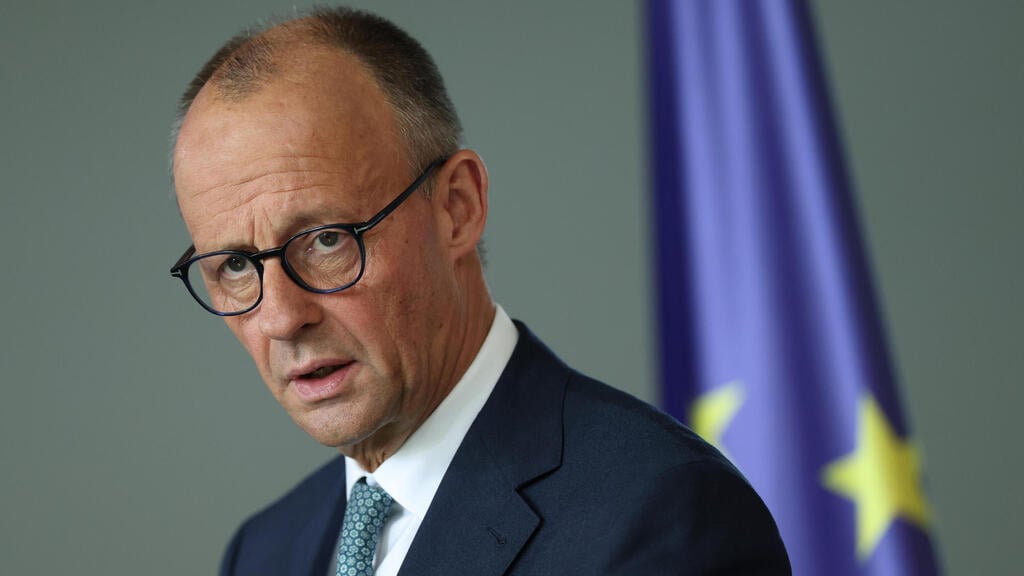
German Chancellor Friedrich Merz
(Photo: Sean Gallup/Getty Images)
Fire at anti-regime protests in Isfahan on Monday night
Amid rising speculation in Israel of a potential escalation with Iran, IDF Spokesperson Brig. Gen. Effie Defrin issued an unusual public statement Monday night clarifying that “the protests in Iran are an internal matter.” He added: “In recent days, many rumors have spread in light of the situation in Iran. As previously clarified, the IDF is prepared defensively and on alert for surprise scenarios if necessary. We continue ongoing assessments and will update on any developments. I emphasize—do not give credence to rumors.”
First published: 12:48, 01.13.26