

Just 13 days ago, he was still on the bench facing Nicolás Maduro, Venezuela's ousted leader, presiding over one of the most closely watched criminal cases in the United States. On Wednesday morning, federal Judge Alvin Hellerstein, an observant Jew who served for nearly three decades on the federal bench in Manhattan, died in New York at the age of 92. His death was confirmed by officials at the U.S. District Court for the Southern District of New York. The cause of death was not disclosed. The court must now appoint a new judge to oversee Maduro's trial, in which preliminary hearings have already begun, although the evidentiary phase is not scheduled until next year.
At his final hearing on October 15, Maduro and his wife, Cilia Flores, appeared before him. The couple were captured in January during a U.S. military operation in Venezuela, transferred to New York and charged with cocaine trafficking offenses. Appearing in prison uniforms and leg shackles, both pleaded not guilty to new charges of conspiring to torture opponents of the Venezuelan regime, including U.S. citizens. Maduro interrupted the judge, claiming the accusations were false, but Hellerstein cut him off and instructed that a not-guilty plea be entered on his behalf. Following the expansion of the indictment, the judge postponed the start of the trial by two weeks, to June 14, 2027. It remains unclear whether his death will lead to another delay.
Gallery
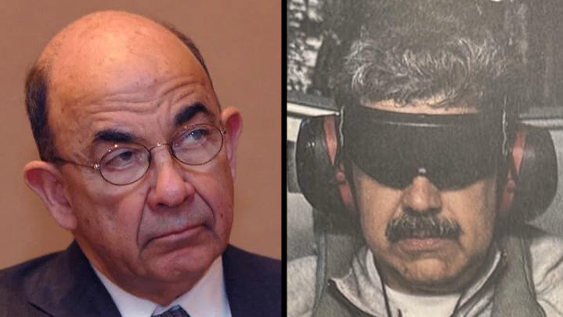
Judge Alvin Hellerstein and Nicolás Maduro following his capture
(Photo: REUTERS/Eduardo Munoz, Rick Kopstein)
The fact that a trial with such far-reaching international implications was being overseen by a 92-year-old judge had raised questions since Maduro's capture. But Hellerstein was not specially appointed to the case following the January operation. Its origins date back to a 2011 indictment against Hugo Carvajal, the former head of Venezuela's military intelligence service, over his alleged involvement in cocaine trafficking. Hellerstein had handled proceedings related to the case for years before Maduro's arrest. In 2020, the indictment was expanded to include the Venezuelan president himself, who was charged with conspiracy to commit narco-terrorism, cocaine trafficking and weapons offenses. Carvajal, who was extradited to the United States from Spain in 2023, pleaded guilty last year. When U.S. forces captured Maduro in January, the case simply continued before the same judge.
In the United States, federal judges are appointed for life and are not subject to a mandatory retirement age. Hellerstein was appointed by President Bill Clinton in 1998 and assumed senior status in 2011, allowing him to reduce his workload without retiring from the bench. Even at his advanced age, he continued to oversee complex trials and rule on cases of significant public interest.
However, reports published as early as January raised questions about his alertness. According to two people who attended a fraud trial he presided over every day in 2025, the judge sometimes appeared to doze off during testimony, with his aides waking him by passing notes or refilling his water glass. The daily court schedule in that trial was also relatively short. Following the reports, some called for Maduro's trial to be reassigned to another judge, citing concerns that the proceedings could last for years and that Hellerstein might have to be replaced midway through.
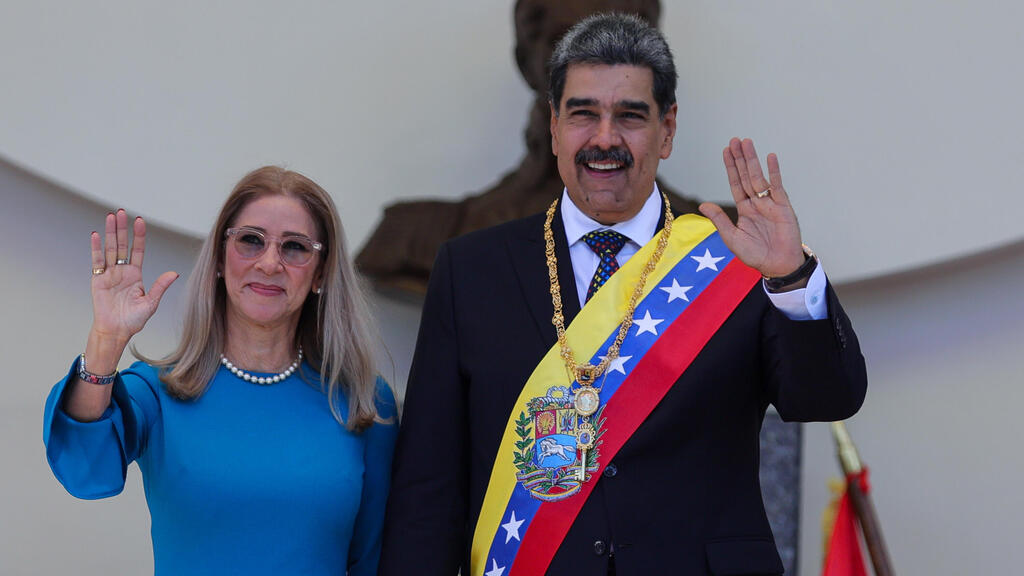
Maduro and his wife, Cilia Flores, who was herself a senior figure in the Venezuelan regime and allegedly received commissions from drug traffickers
(Photo: Jesus Vargas/Getty Images)
Maduro escorted by law enforcement officers in New York following his arrest in January
(Video: RapidResponse47)


By contrast, attorneys who appeared before him described him as an alert and engaged jurist. Attorney Michael Hausfeld said Hellerstein was "sharper than many younger judges." Retired federal Judge Shira Scheindlin, who worked alongside him, said concerns about his age were legitimate but expressed confidence in his ability to assess for himself whether he was fit to continue serving. Legal experts noted that the federal judiciary has no uniform system for evaluating the competence of aging judges, leaving the decision of when to retire largely in their own hands.
Hellerstein was a familiar figure in New York's Jewish community and previously served as president of The Jewish Center, an Orthodox synagogue on Manhattan's Upper West Side. He strictly observed the Sabbath and played tennis with local rabbis for decades. During his judicial career, he presided over major lawsuits stemming from the September 11 terrorist attacks, including proceedings involving compensation for victims' families. He was also known for his independence in cases involving the administration. Among other rulings, he repeatedly rejected President Donald Trump's attempts to move the New York hush-money case in which he was convicted to federal court, and ruled against the deportation of Venezuelan migrants without due process.
Now, eight months before Maduro's trial is scheduled to begin, another judge will have to take over a complex criminal case that has developed over more than a decade. The new judge will face difficult legal questions, including anticipated arguments concerning the immunity of a former head of state and the circumstances under which Maduro was brought to the United States. For now, no announcement has been made about who will replace Hellerstein or whether the trial will proceed according to the existing schedule.