

Israel, Syria and the United States agreed during talks in Paris to establish a real-time intelligence coordination mechanism, including a joint “hotline,” aimed at preventing misunderstandings, managing disputes and reducing friction along the border, officials familiar with the discussions said.
Under the arrangement, the hotline will be staffed by representatives from all three countries. The sides also agreed to begin parallel talks on civilian issues alongside negotiations on a security framework, including cooperation in energy, health and agriculture. U.S. officials are promoting an idea under which Israel would sell natural gas to Syria, the officials said.
The understandings were reached during the fifth round of Israeli-Syrian talks, which concluded Monday in Paris after resuming following a more than two-month pause. Officials described the discussions as positive and said the parties agreed to increase the frequency of meetings and advance additional confidence-building steps.
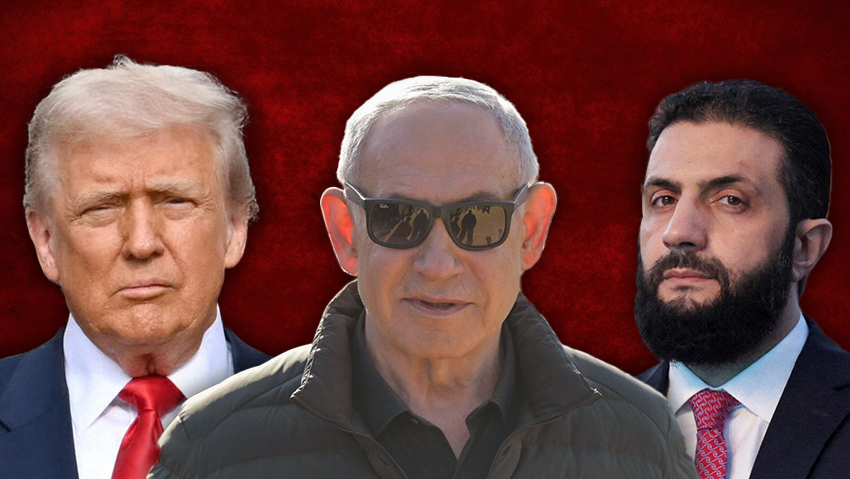
The negotiations are being mediated by Washington and were revived after a meeting last week between Prime Minister Benjamin Netanyahu and U.S. President Donald Trump at Trump’s Mar-a-Lago estate in Florida. Netanyahu said afterward that Israel’s interest is in establishing a peaceful and secure border with Syria.
“We want to make sure the border near us is safe and free of terrorists,” Netanyahu said at the time, adding that Israel also seeks to ensure the safety of Druze and Christian communities in the region. Trump said he was confident Netanyahu and Syrian leader Ahmad al-Sharaa could reach an understanding, describing al-Sharaa as a tough leader suited to the region.
Israel’s delegation was led by Roman Gofman, the prime minister’s military secretary and nominee to head the Mossad, along with Israel’s ambassador to Washington, Yechiel Leiter, and acting National Security Council head Gil Reich. Former Strategic Affairs Minister Ron Dermer, who led earlier rounds, did not attend.
Syria was represented by Foreign Minister Asaad al-Shibani, intelligence chief Hussein al-Salama and their teams. U.S. participants included Jared Kushner and Steve Witkoff, as well as U.S. Ambassador to Turkey and special envoy to Syria Tom Barrack.
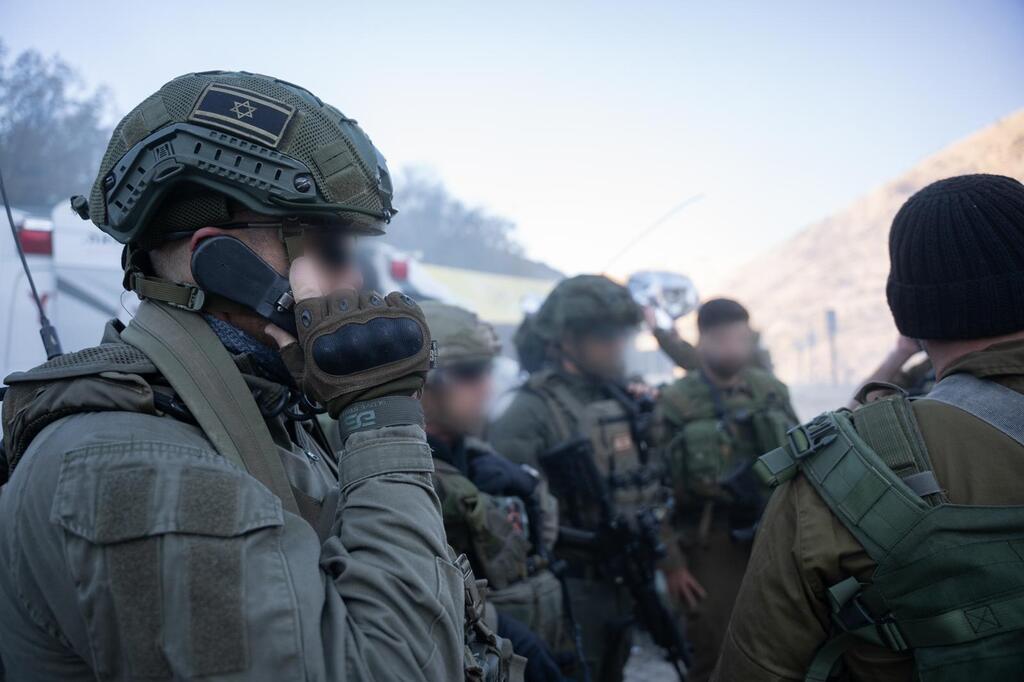
IDF drill on Mount Hermon
(Photo: IDF)
Despite the progress, major disagreements remain. Israel currently controls several strategic points inside Syrian territory, including on Mount Hermon, while Damascus is demanding a full Israeli withdrawal to the recognized border. Israeli officials have signaled they would only consider a phased withdrawal and are seeking the demilitarization of southern Syria, extending close to Damascus — a condition widely viewed as unacceptable to the Syrian government.
Israel is also demanding that Syria prevent any Turkish military presence from becoming entrenched on its soil, fearing that Turkish bases, aircraft or radar systems could turn Syria into a forward operating zone for Ankara. Officials said Syria is unlikely to formally accept such a condition, though informal understandings may be possible.
Another Israeli demand involves establishing a secure corridor from the border to the Druze Mountains as part of guarantees for the safety of the Druze community. That proposal would require access deep inside Syrian territory and is expected to face strong resistance in Damascus.
Officials stressed that the talks are aimed at a limited security coordination agreement rather than a full peace treaty. Some analysts believe such an arrangement could be achievable if both sides demonstrate sustained political will.
Syria is seeking a return to the lines set under the 1974 disengagement agreement, while Israel is pressing for broader security guarantees, including limits on heavy weaponry and foreign forces. Whether the talks advance further may depend on Netanyahu’s political timing and the readiness of both sides to compromise.