


Nearly a month after the ceasefire with Iran began, and with the possibility of renewed war still on the table, the depth of the damage to U.S. bases in the region is becoming clear: at least 16 American military facilities in eight countries, effectively most U.S. bases in the Middle East, were damaged in Iranian strikes during the war.
According to a CNN investigation, some of the sites that were hit are currently unusable. “I have never seen anything like this at U.S. bases,” a person familiar with the matter said. “These were fast and precise strikes, using advanced technology.”
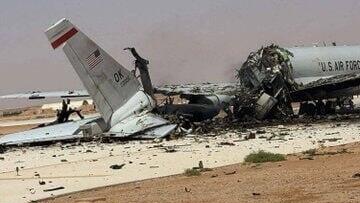
Among the U.S. bases hit were sites in Kuwait, Bahrain, the United Arab Emirates, Saudi Arabia, Jordan and Iraq.
Iranian targets included advanced aircraft, among them the U.S. E-3 Sentry surveillance aircraft, known as “the eyes of the United States in the Gulf,” which was destroyed at Prince Sultan Air Base in Saudi Arabia; critical communications equipment, including facilities destroyed at Camp Arifjan in Kuwait; and radar systems, such as those damaged at Muwaffaq Salti Air Base in Jordan.
“Our radar systems are our most expensive and most limited asset in the region,” the source said.
Other bases hit in the Iranian strikes included Al Udeid Air Base in Qatar, which was struck in two separate attacks, Naval Support Activity Bahrain and Camp Buehring in Kuwait.

US bases attacked by Iran
(Photo: CNN)
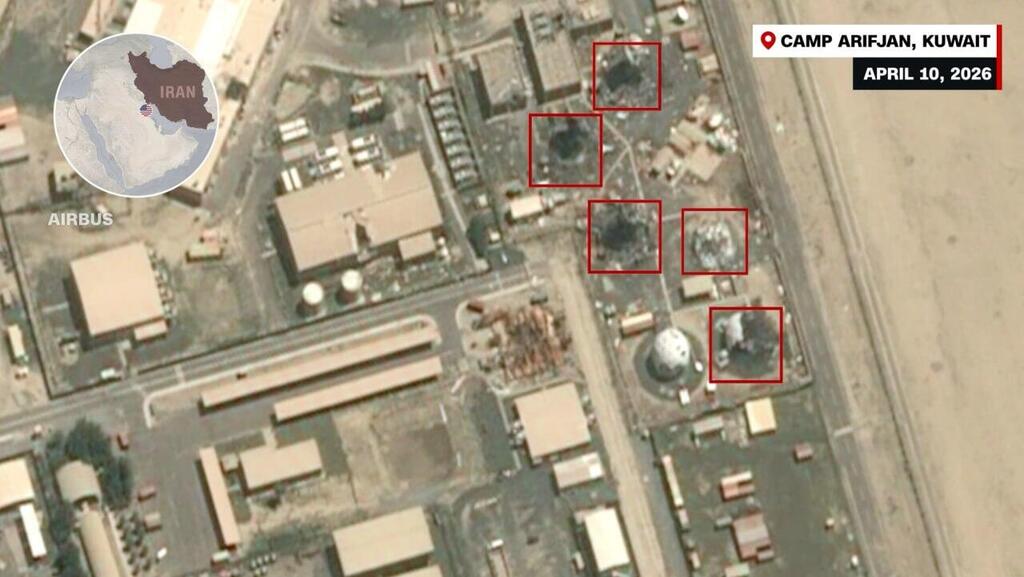
(Photo: CNN)
Iran was able to strike so many bases with precision largely because of the dramatic improvement in its ability to “see the enemy.” In 2024, Iran secretly purchased a Chinese TEE-014 satellite, a major upgrade over the satellites it had used until then, giving it the ability to view U.S. bases with remarkable precision, capabilities nearly identical to those possessed by the United States.
Countries in the region felt the U.S. bases had gone from being a force that instilled fear in adversaries to something resembling “sitting ducks.” A Saudi official said the war showed Saudi Arabia that its alliance with the United States could not be exclusive and was not “flawless.”
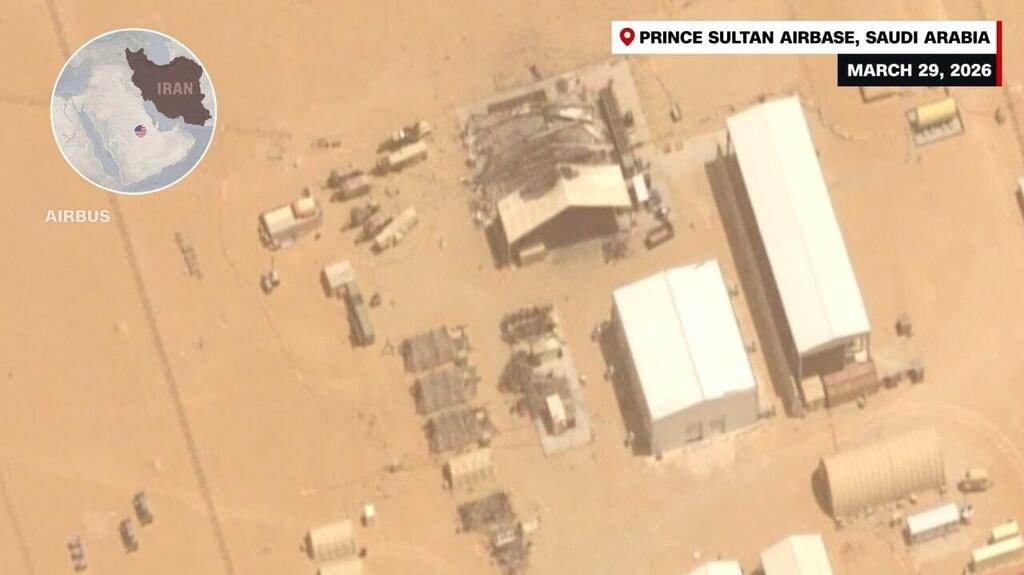
(Photo: CNN)
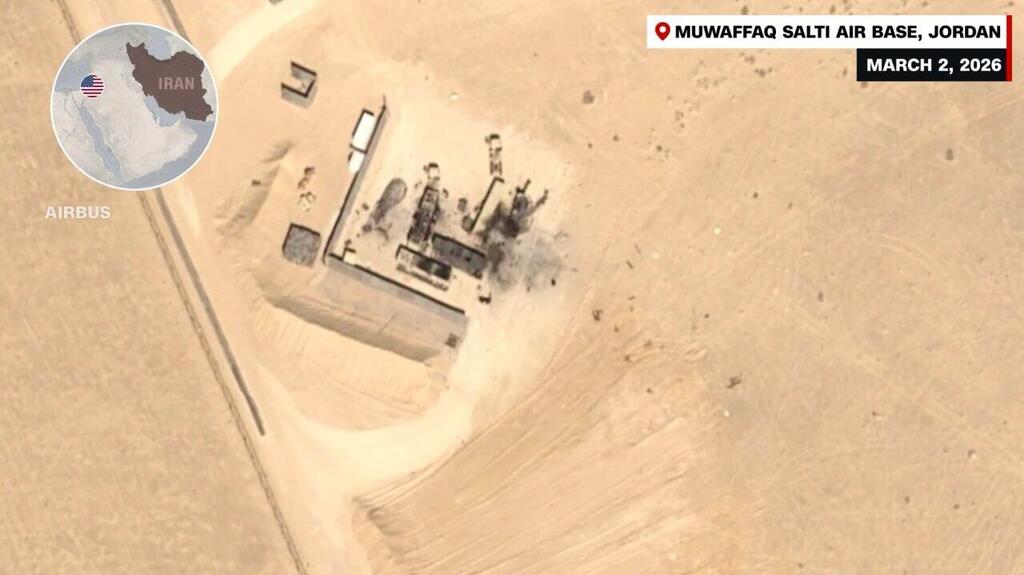
(Photo: CNN)
A Pentagon official said in response: “We do not discuss battle damage assessments from the war for security reasons. Our forces remained fully operational, and we continue to carry out our mission with the same level of readiness and effectiveness.”