

President Donald Trump announced Saturday in a dramatic statement that Venezuelan President Nicolas Maduro, who has ruled the South American country since 2013 and is widely regarded abroad as an authoritarian leader, was captured in a bold US operation as part of a large-scale attack carried out earlier in the day on the capital, Caracas, and other parts of the country. Trump said Maduro and his wife, Cilia Flores, were flown out of Venezuela.
CBS News later reported that the capture was carried out by the US Delta Force commando unit, the same elite unit that led the 2019 operation that killed Islamic State leader Abu Bakr al-Baghdadi.
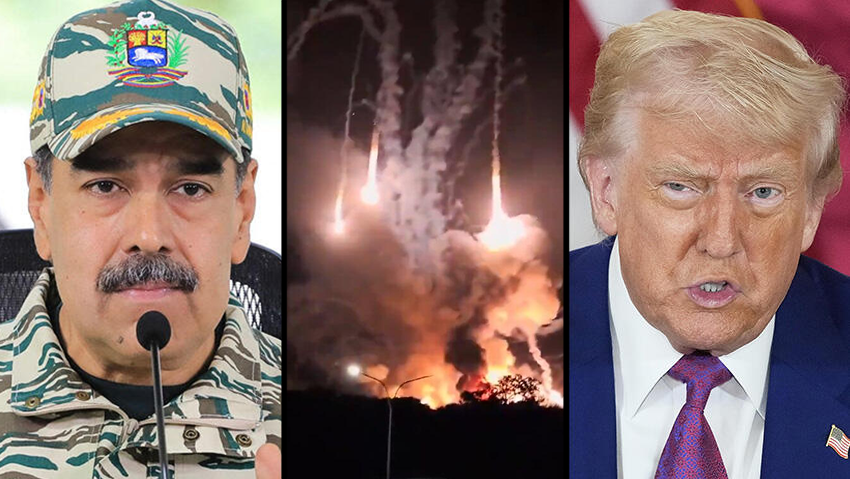
Footage of the attack on Caracas


Maduro has been under US indictment since 2020 on drug trafficking charges, allegations he has repeatedly denied. It was not immediately clear where he was taken. US Deputy Secretary of State Christopher Landau said Maduro would finally face justice for his crimes, signaling that he could be brought to the United States to stand trial.
Maduro’s vice president, Delcy Rodriguez, who is expected to assume presidential duties following his capture, said Venezuela had no information about his whereabouts. She demanded immediate proof of life from the Trump administration regarding Maduro and the first lady and said government officials were killed in the US attack.
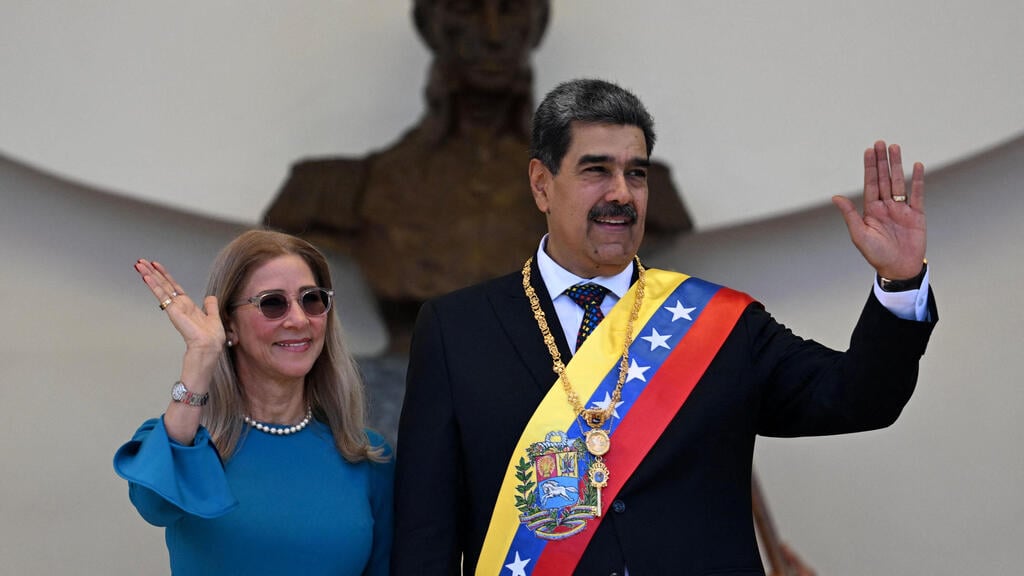
Maduro with his wife Cilia Flores, who, according to Trump, was also captured
(Photo: Juan BARRETO / AFP)
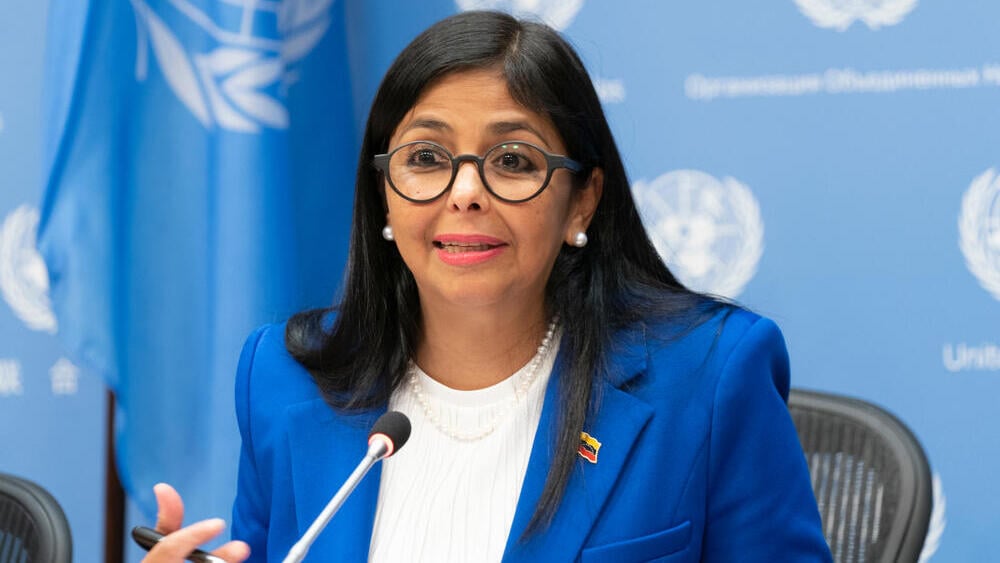
Executive Vice President of Venezuela Delcy Rodriguez, Maduro's deputy
(Photo: lev radin/shutterstock)
“The United States of America has successfully carried out a large-scale strike against Venezuela and its leader, President Nicolas Maduro, who has been, along with his wife, captured and flown out of the Country. This operation was done in conjunction with U.S. Law Enforcement. Details to follow,” Trump wrote on his Truth Social platform.
The operation was reportedly carried out without advance notice to the US Senate. Republican Sen. Mike Lee said later Saturday that Secretary of State Marco Rubio told him no further US strikes were planned. Lee also suggested Maduro would be transferred to the United States for prosecution.
Russia and Iran, key allies of Venezuela’s socialist government, condemned the US action. Russia’s Foreign Ministry expressed solidarity with Venezuela against what it described as aggression, while Iran said the attack was a clear violation of international law. Spain called for restraint, urged respect for international law and offered to act as a mediator to seek a peaceful solution.
Explosions and panic in Caracas
The large-scale attack on Caracas began around 1:50 a.m. local time, according to reports. Multiple explosions were reported at military facilities and airports, and combat helicopters and aircraft were seen overhead. The Associated Press reported at least seven explosions around 2 a.m., with additional blasts later. Residents in several neighborhoods fled their homes amid panic.
A CNN crew based in the city also reported multiple explosions, with the first heard around 1:50 a.m. A correspondent said one blast was so powerful it caused her window to shake.
A 21-year-old office worker told AP she was walking home after a birthday party when the explosions began, saying the ground shook violently and aircraft could be heard overhead. AFP quoted a 29-year-old resident who said he heard explosions and gunfire near the Fuerte Tiuna military base, which houses the Defense Ministry headquarters and residences of senior government and military officials. Later footage from the area showed numerous vehicles, apparently attempting to flee.
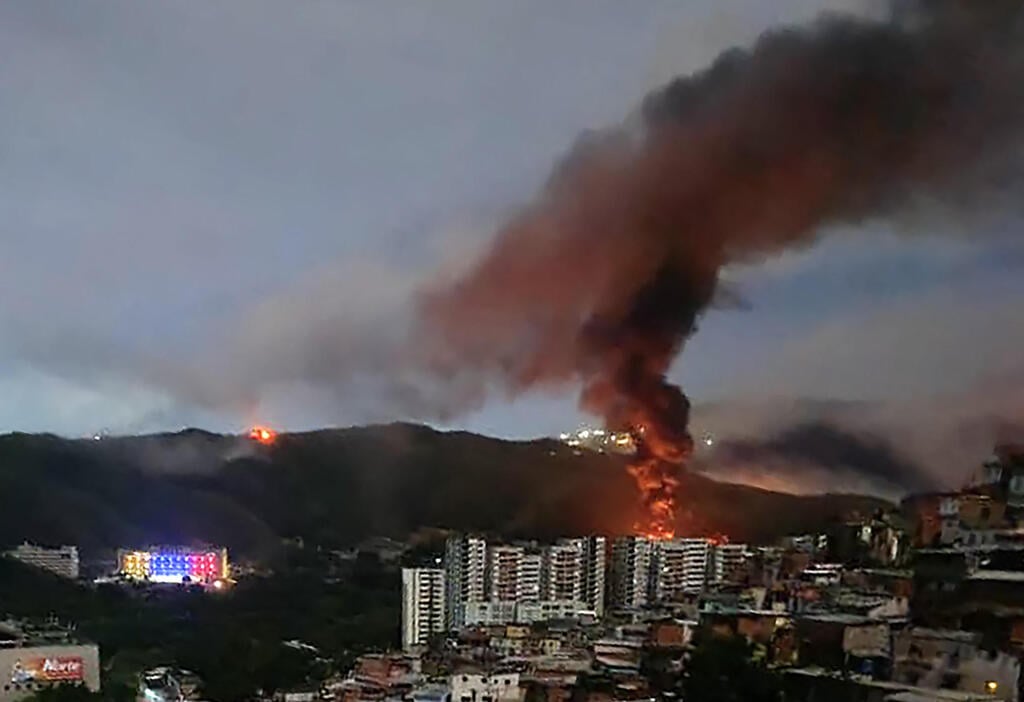
Fire burning at the Fuerte Tiuna military base in Caracas; Venezuela reports dead and wounded
(Photo: AFP)
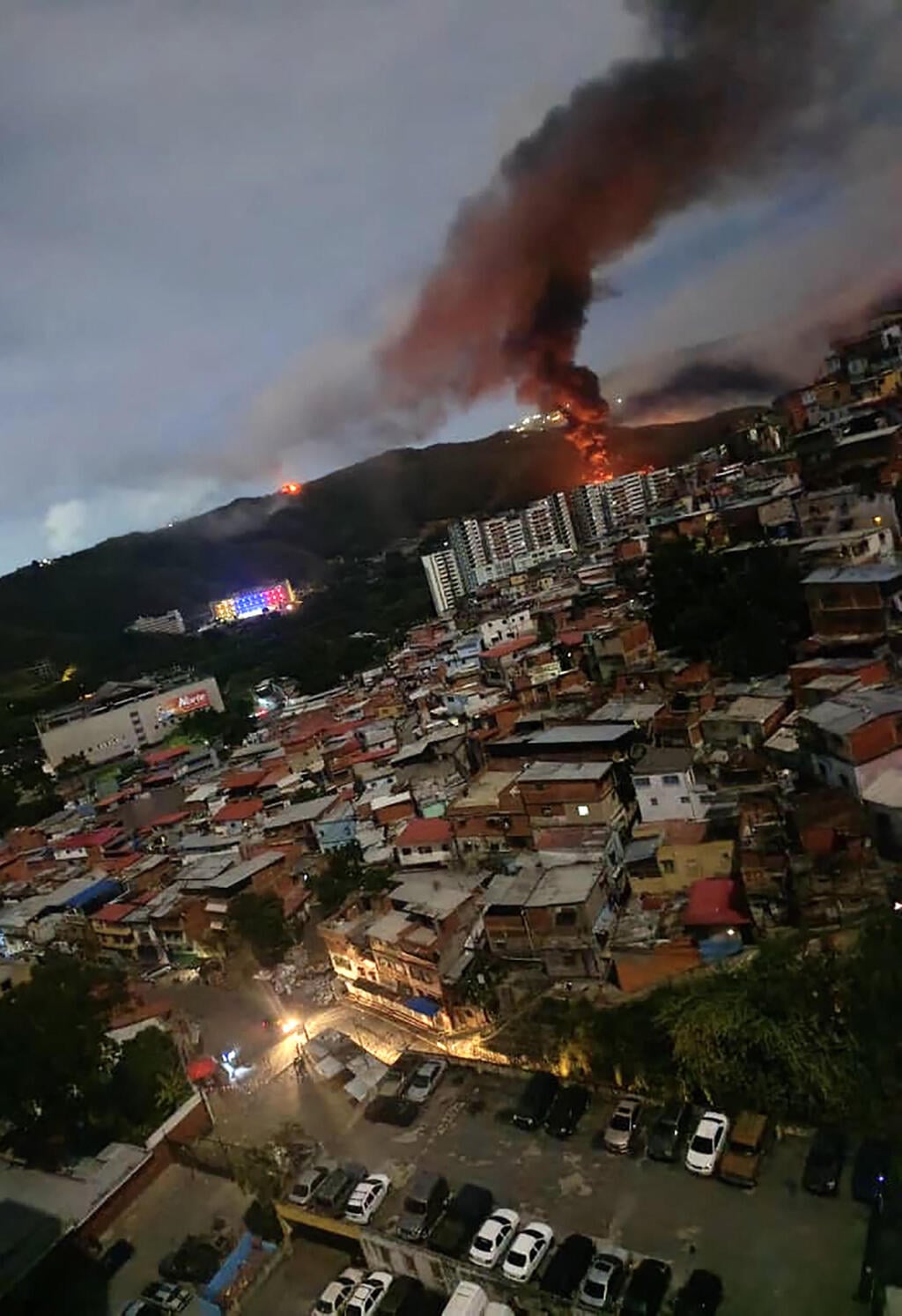
(Photo: AFP)
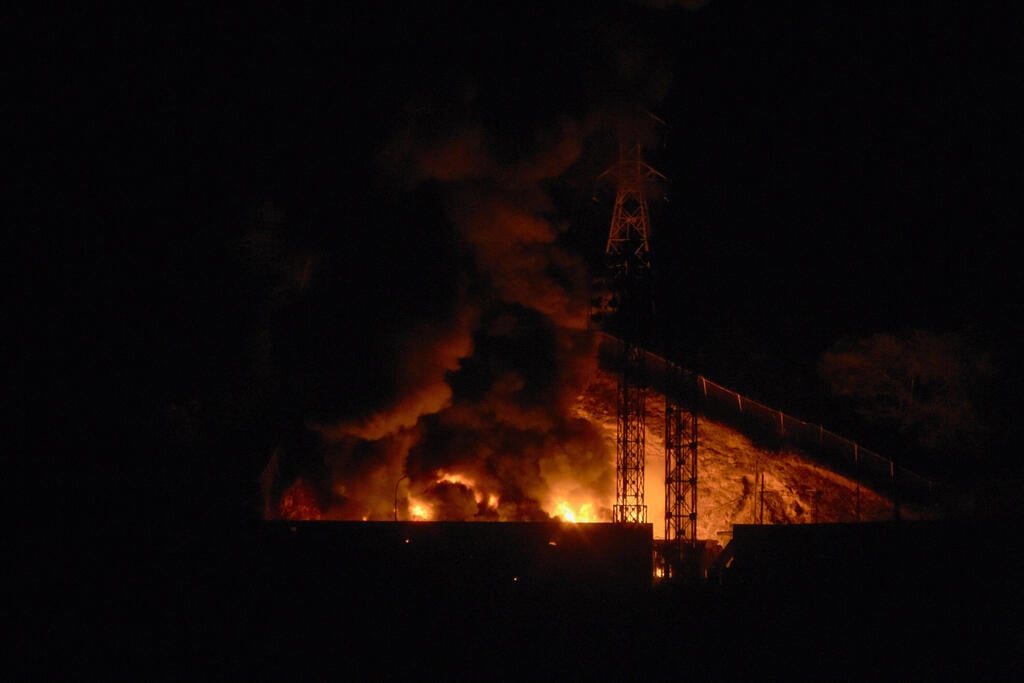
(Photo: Luis JAIMES / AFP)
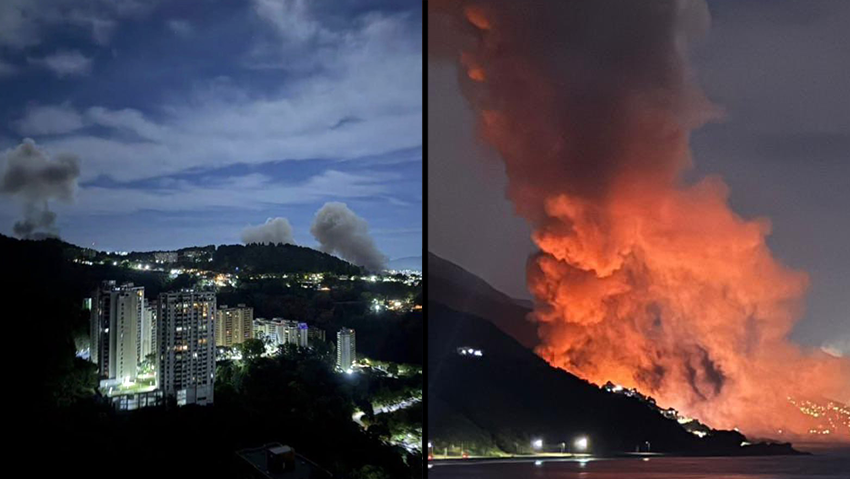
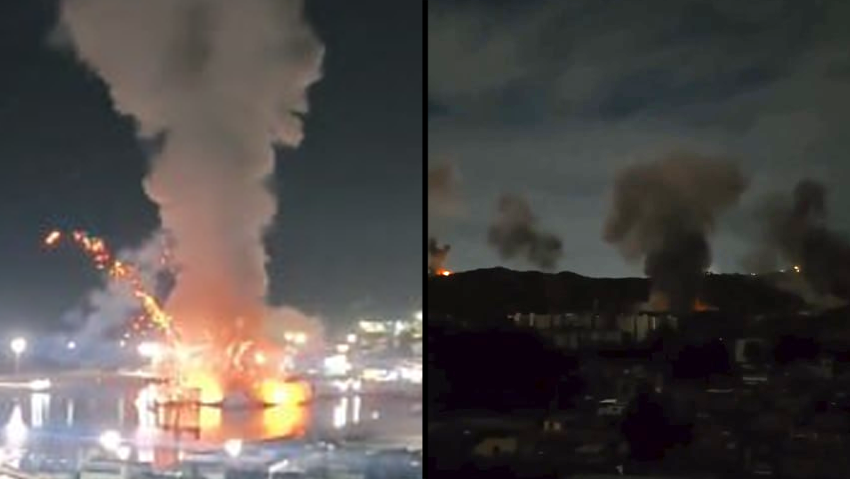
The attack followed months of threats by Trump, who last year launched a campaign officially aimed at stopping drug trafficking he says is backed by the Venezuelan government, while also making clear his central goal was to topple Maduro’s regime. Just last month, Trump said Maduro’s days were numbered and repeatedly promised imminent strikes on Venezuelan soil.
Trump’s announcement was the first official US confirmation that the explosions in Venezuela were the result of a US operation, following earlier reports by American media. Venezuela’s government said it was facing severe US military aggression, claiming the strikes hit not only Caracas but also the states of Miranda, Aragua and La Guaira.
‘Colonial war’ claims
Venezuela’s government said the US attack was aimed at seizing the country’s vast oil resources and mineral wealth, calling on the nation to mobilize against what it described as imperialist aggression. It accused Washington of attempting to impose regime change through what it called a colonial-style war, pledging that the effort would fail.
The extent of the damage was not immediately clear. Venezuela’s defense minister said there were casualties and that authorities were gathering information. He confirmed that the Fuerte Tiuna base was hit, describing the operation as an invasion and the largest attack the country has ever faced, and said civilian sites were also targeted. A US official told The New York Times that no American personnel were injured.
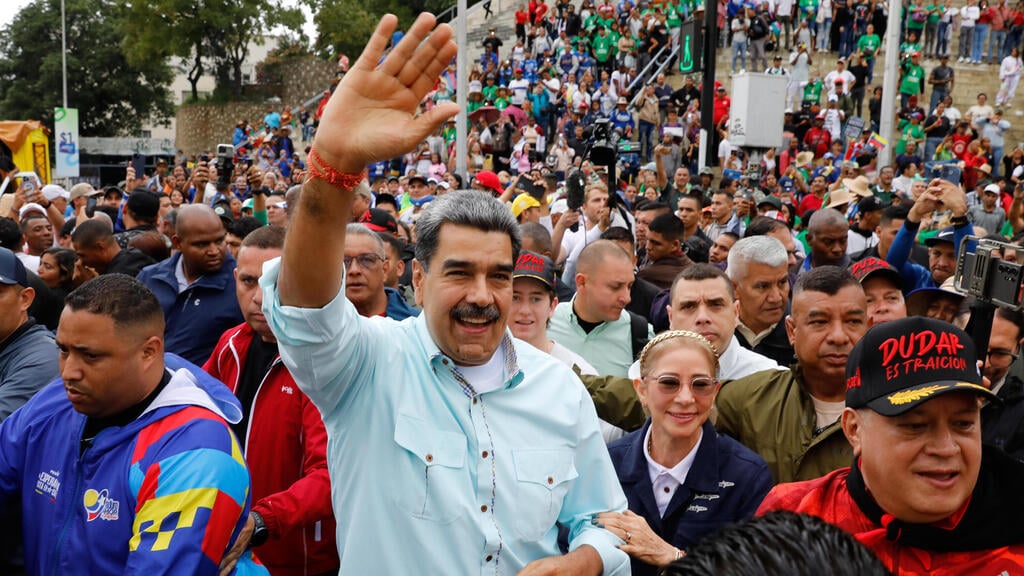
Venezuela’s President Maduro at a support rally he organized in Caracas in December
(Photo: AP Photo/Cristian Hernandez)
Since returning to the White House, Trump has pursued a foreign policy aimed at expanding US influence in Latin America, reinforcing right-wing governments and intensifying efforts to remove Maduro’s socialist government. Maduro, who succeeded Hugo Chavez in 2013, is viewed by many Western governments as illegitimate due to alleged election fraud and repression of the opposition. He has maintained hostile relations with the United States and close ties with Russia, China and Iran. Washington has also accused him of links to Hezbollah, allegations he has denied.
In 2020, the US Justice Department indicted Maduro on cocaine trafficking charges and offered a $15 million reward for information leading to his capture. The reward was raised to $25 million in January 2025 and increased again to $50 million last August. In November, the US designated the so-called Cartel of the Suns — which Washington alleges is led by Maduro — as a terrorist organization, a claim he rejects.
The US pressure campaign began in September with airstrikes on vessels the Trump administration says were smuggling drugs to the United States, mostly in the Caribbean near Venezuela, with some strikes in the eastern Pacific. More than 20 attacks have been carried out since, with at least 100 people killed. The United States also deployed a major naval force near Venezuela, including the aircraft carrier Gerald Ford and about 15,000 troops, and sent fighter jets to Puerto Rico.
First published: 11:47, 01.03.26